What is the maximum load on square tubing?
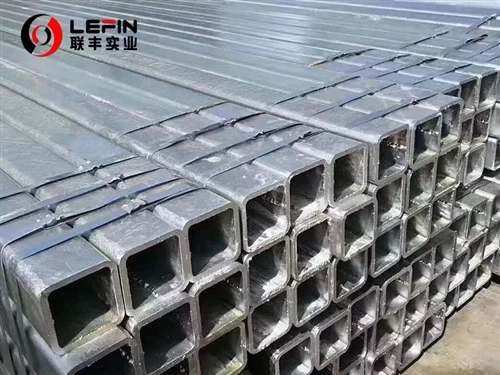
Square tubing is a popular material used in construction and manufacturing because of its strength, durability, and versatility. It can be used in a variety of applications, including support structures, frames, and machinery. LEFIN STEEL can produces the square tubing.
The maximum load that square tubing can bear depends on several factors:
1. The maximum load of square tubing depends on its size, thickness, and the type of material used in its construction. A larger and thicker square tubing can withstand more weight than a smaller and thinner one. The material used in its construction can also affect its maximum load capacity. Square tubing made of higher-grade materials like aluminum or stainless steel can bear more weight than those made of low-grade steel.
2. Other factors that can affect the maximum load of square tubing include the type of load applied, the span length between supports, and the method of attachment. A static load, which is a non-moving or non-vibrating load, can bear more weight than a dynamic load, which involves movement or vibration. The span length between supports can also impact the maximum load, and attachment methods such as welding or bolting need to be chosen with care.
3. To ensure that square tubing can handle the maximum load required for a specific application, it is essential to consult with a structural engineer who can identify all of the factors involved and make recommendations on tubing size, thickness, and material.
Is bigger maximum load better for steel pipes?
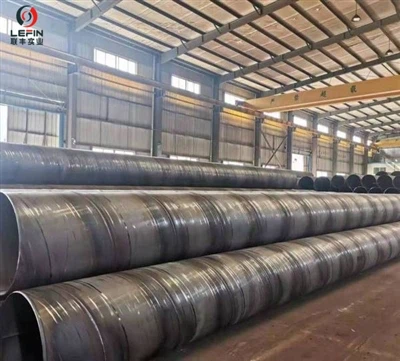
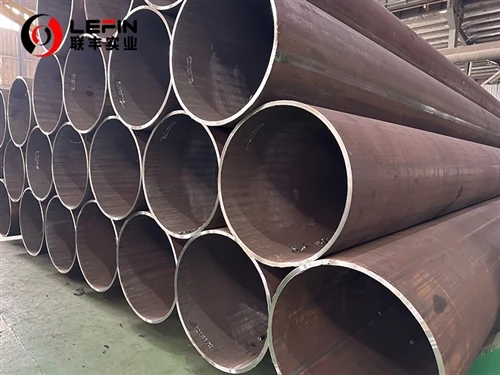
When it comes to steel pipe, having a maximum load that is bigger is definitely better. Steel pipes are commonly used in a wide range of applications including construction, transportation, and industrial uses, and having a pipe that can handle more weight and pressure is always a good thing.
1. One of the key benefits of using steel pipe is its strength and durability. Steel is known for being a strong and resilient material, and steel pipes can typically withstand a lot of weight and pressure. This is especially important in industries where heavy machinery or equipment is used, or in construction projects where large structures need to be supported.
2. A larger maximum load capacity means that the steel pipe can handle more weight without risk of bending or breaking. Not only does this ensure that the pipe is strong enough to support whatever it needs to, but it also adds an extra layer of safety and security. With a higher maximum load capacity, there is less risk of the pipe failing or breaking under heavy loads, which could potentially cause serious damage or injury.
3. In addition to its strength and durability, steel pipe also has other benefits, including its resistance to corrosion and its relatively low cost. Compared to other materials like copper or plastic, steel is often more affordable and offers better long-term value.
Overall, a bigger maximum load capacity is definitely a positive attribute for steel pipe. It ensures that the pipe is strong, reliable, and able to handle whatever it needs to, making it an ideal choice for a wide range of uses.

Differences between maximum load and minimum load:
Maximum Load:
The maximum load refers to the maximum weight or pressure that a steel pipe can withstand without breaking or getting deformed. This load capacity varies depending on the pipe's size, thickness, material quality, and the type of stress it's subjected to. It is typically calculated based on the yield strength and ultimate strength of the steel, which measures its ability to resist permanent deformation and complete failure, respectively.
Advantages:
Maximum load steel pipes have a multitude of advantages that make them a popular choice for a variety of industries.
1. Firstly, they are incredibly strong and durable, making them ideal for use in applications that require high levels of strength and stability. They can withstand heavy loads and extreme pressure, which makes them perfect for use in construction projects such as bridges, buildings, and pipelines.
2. Secondly, maximum load steel pipes are highly resistant to damage from the elements. They are able to withstand exposure to harsh weather conditions such as extreme temperatures, high humidity, and strong winds. This means that they can be used in challenging environments such as oil rigs and offshore platforms.
3. Another advantage of maximum load steel pipes is their versatility. They come in a variety of sizes and shapes, which means that they can be adapted to suit almost any application. They can be customized to meet specific requirements, making them an ideal choice for use in complex industrial settings.
4. Furthermore, maximum load steel pipes are cost-effective. They require minimal maintenance, which means that they have a long service life and can provide excellent value for money. They are also easy to install and transport, which reduces labor costs and makes them easy to use in a range of settings.
In summary, maximum load steel pipes have a range of advantages that make them a popular choice for a variety of industries. From their strength and durability to their resistance to the elements, versatility, and cost-effectiveness, they offer numerous benefits that make them a valuable asset in many different settings.
Application:
Steel pipes are widely used in various industries, including construction, transportation, and oil and gas exploration. One of the most demanding applications for steel pipes is when they are subjected to maximum load. This refers to situations where the pipes have to bear very heavy weights or pressure, such as in the construction of bridges, high-rise buildings, and pipelines.
1. In such applications, steel pipes offer several distinct advantages over other materials. First and foremost, steel is extremely strong and durable, with a high weight-to-strength ratio. This means that even under extreme loads, steel pipes can resist bending, buckling, or collapsing. Additionally, steel is resistant to corrosion, which is particularly important in pipelines or other structures exposed to harsh environmental conditions, such as saltwater or acid rain.
2. Another advantage of steel pipes in maximum load applications is that they are highly versatile and customizable. Steel pipes can be made to varying thicknesses and dimensions, allowing them to be precisely tailored to the requirements of a particular project.
3. Furthermore, steel pipes can be easily welded or joined together, providing a seamless and strong connection that is essential for maintaining the structural integrity of the overall project.
Overall, steel pipes are an excellent choice for maximum load applications due to their strength, durability, resistance to corrosion, and versatility. With continued advances in steel manufacturing technology, it is likely that steel pipes will remain a vital component in a wide range of construction and industrial projects in the years to come.
Minimum Load:
The minimum load, on the other hand, refers to the minimum force or weight that a steel pipe must endure to maintain its integrity and stability. This load capacity is crucial for pipes that are not always under full load, such as those used for ventilation, drainage, or temporary structures. If a pipe is subjected to a load below the minimum requirement, it may deform, buckle or collapse, leading to leaks, blockages, or even accidents.
Advantages:
1. Strength and Durability: Minimum Load steel pipes are strong and durable due to their high-strength properties. They can withstand heavy loads, pressure and extreme weather conditions, making them ideal for construction projects that require substantial support.
2. Cost-Effective: Compared to other materials such as concrete and wood, Minimum Load steel pipes are relatively cheaper, which makes them a cost-effective option for construction projects. Additionally, they are easy to transport and install, reducing overall labor costs.
3. Flexibility: Minimum Load steel pipes are versatile, and their flexibility allows them to bend and conform to different shapes and curves without breaking. This makes them an ideal choice for complex projects requiring custom designs.
4. Corrosion Resistance: Steel pipes have inherent resistance to corrosion, which ensures that they maintain their structural integrity over time. This can significantly reduce maintenance costs and increase the lifespan of the structure.
5. Recyclable: Minimum Load steel pipes are environmentally friendly and sustainable. They can be recycled and repurposed once their use has come to an end, reducing waste and conserving resources.
Application:
1. The application for Minimum Load steel pipes is wide-ranging and positive. These pipes are specifically designed to withstand low-pressure applications and offer durability and strength for numerous purposes.
2. One of the primary uses for Minimum Load steel pipes is in the construction industry, where they are used for the foundation of buildings, bridges, and tunnels. These pipes are highly durable and can withstand the weight and pressure of heavy construction materials and machinery.
3. In addition, Minimum Load steel pipes are also used in the transportation of fluids, such as water, gas, and oil. They are highly resistant to corrosion, which prevents any damage to the pipe and ensures the safe transportation of these substances.
4. These pipes are also commonly used in the plumbing industry, providing a reliable and long-lasting solution for water and gas pipelines in residential and commercial buildings.
Overall, Minimum Load steel pipes are an essential component for various industries, and their reliability and durability make them a popular choice for many applications.

In conclusion, square tubing is a strong and versatile material widely used in construction and manufacturing. Its maximum load capacity depends on a variety of factors, including size, thickness, material, type of load, span length, and attachment method. By consulting with a structural engineer, it is possible to ensure that square tubing can handle the maximum load required for any given application.