Why are most buildings rectangular shaped?
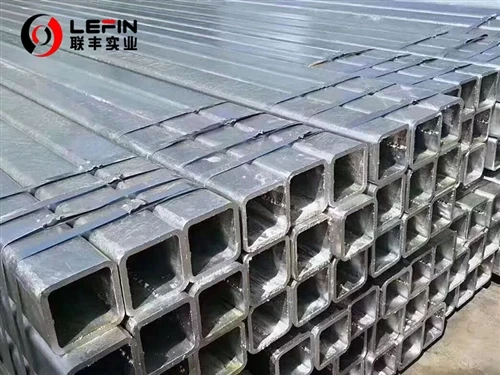
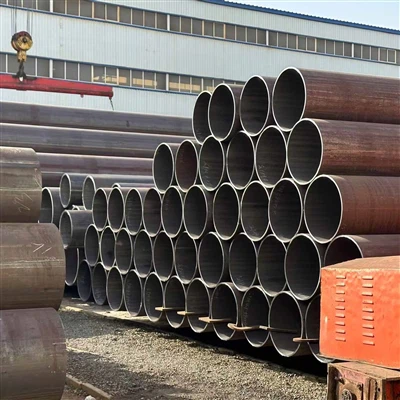
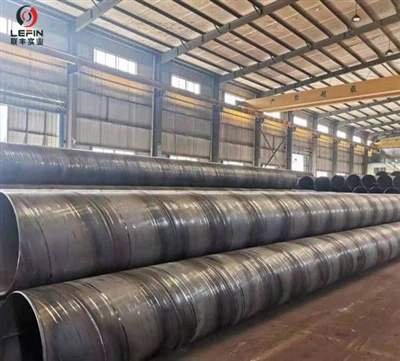
Most building use rectangular shaped pipes, rectangular steel pipes are an essential component of modern construction and manufacturing. From their strength and durability to their versatility and aesthetic appeal, these pipes provide a wide range of benefits that are essential to a variety of industries. LEFIN STEEL focus on steel pipes, we can produce rectangular tubes.
Reasons for the using rectangular pipes:
Most buildings in today's world are rectangular in shape. There are a few reasons behind this trend. Firstly, a rectangular-shaped building is easier and more economical to construct than one with an irregular shape. Rectangles have equal sides, right angles, and symmetrical corners, which make them simpler to plan and construct accurately. This makes it easier to use building materials efficiently, reducing the cost of operations during construction.
Another reason for the popularity of rectangular buildings is that they allow for optimal use of the available space. By building a rectangular structure, architects and builders can easily divide the space into various rooms and areas, with each section serving a specific purpose. This is particularly useful in commercial and office buildings where space has to be maximized for efficiency and functionality.
Furthermore, rectangular buildings give more room for natural light and ventilation. Windows and doors are typically placed at the ends or sides of a rectangular building, which allows more sunlight to enter and improves airflow inside the building. Higher ceilings can also be utilized in rectangular structures, which provides an open and more welcoming atmosphere.
Finally, rectangular buildings are easier to maintain and repair than those with curvy designs. Due to their straight lines and regular shapes, it is easier to detect and repair any damage. This makes it easier for building owners to maintain the infrastructure and keep repair costs low.

Standards of rectangular pipes:
1. EN10210: European standard for hot-finished structural hollow sections, including square tubing. This standard specifies the technical delivery conditions for round, square, and rectangular hollow sections, which are used in construction, mechanical engineering, and general structural applications. EN10210 square tubing has a higher tensile strength and yield strength than other standards, making it ideal for heavy-duty applications. It is also known for its excellent weldability and dimensional accuracy.
2. EN10219: Another European standard for cold-formed welded structural hollow sections, including square tubing. This standard specifies the technical delivery conditions for welded hollow sections made of non-alloy and fine grain steels. EN10219 square tubing is typically used for low-pressure applications, such as fences, handrails, and machinery frames. It is also known for its good welding properties and dimensional accuracy.
3. ASTM A500: An American standard for cold-formed welded and seamless carbon steel structural tubing in round, square, and rectangular shapes. This standard is widely used in construction, mechanical engineering, and general structural applications. ASTM A500 square tubing has a high strength-to-weight ratio, excellent weldability, and good corrosion resistance. It is also known for its tight tolerances and consistent dimensions.
4. ASTM A501: Another American standard for hot-formed welded and seamless carbon steel structural tubing, including square tubing. This standard specifies the technical requirements for hot-rolled steel tubes used in structural applications. ASTM A501 square tubing is known for its strength, durability, and dimensional accuracy.
5. JIS G3466: Used primarily in Japan and focuses on the mechanical properties of the tubing, such as tensile strength and yield strength. JIS G3466 tubing is typically produced using a hot rolled process and can be used for a variety of applications, including building frames, bridges, and machinery.
6. AS1163: Used in Australia and New Zealand and places more emphasis on the thickness and dimensions of the tubing. AS1163 also includes additional requirements for steel grade and wall thickness to ensure that the tubing meets the necessary safety standards. AS1163 tubing is often produced using a cold formed process and is popular in applications such as fencing, gate and trailer manufacturing.
Advantages:
1. High Strength: Rectangular steel pipes are made from high-quality steel, which gives them exceptional strength and reliability. They can withstand heavy loads and high pressure without collapsing or deforming.
2. Versatile: Rectangular steel pipes can be used in a wide variety of applications, including construction, automotive, and manufacturing industries. They are suitable for building structures, fencing, and many other applications.
3. Durable: Unlike other materials that are prone to corrosion, rectangular steel pipes are resistant to rust and corrosion, making them highly durable. They can withstand harsh weather conditions and environmental factors, which makes them ideal for outdoor use.
4. Cost-effective: Rectangular steel pipes are a cost-effective solution for many construction projects. They are more affordable than other materials, such as concrete or wood, yet they provide superior strength and durability.
5. Easy to Install: Rectangular steel pipes are easy to install and can be manufactured to specific lengths and sizes. The use of rectangular steel pipes can reduce labor costs and time for construction projects.
6. Sustainable: Rectangular steel pipes are environmentally friendly. They are 100% recyclable and can be reused in other applications. They also require less maintenance compared to other materials.
Application:
Rectangular steel pipes are a versatile and cost-effective solution for a wide range of applications in various industries. From building construction to furniture making, these pipes offer immense flexibility in design and can be used to create structures of varying shapes and sizes.
1. One of the most common applications of rectangular steel pipes is in the construction industry. They are widely used in the construction of buildings, bridges, and other infrastructural projects. The high strength and durability of these pipes make them an ideal choice for use in structural applications, as they can withstand heavy loads and provide long-lasting support.
2. Another popular application of rectangular steel pipes is in the manufacturing of furniture. These pipes are commonly used to create chairs, tables, shelves, and other pieces of furniture that require a strong and stable frame. The rectangular shape of these pipes provides greater rigidity and strength compared to other shapes, making them an ideal choice for furniture manufacturing.
3. In addition, rectangular steel pipes are also used in the automotive industry, where they are used to create the frames and chassis of vehicles. Their lightweight and high strength-to-weight ratio make them an ideal choice for this application, as they can help improve the fuel efficiency and performance of vehicles.
4. The agricultural sector also employs rectangular steel pipes in various applications. They are used to create fencing, gates, and other structures that require strength and durability to withstand environmental conditions such as wind, rain, and snow.
In conclusion, the rectangular steel pipe has a wide range of applications, from construction to furniture and automotive manufacturing. With its high strength, durability, and versatility, it continues to be an essential component in our modern world.
Contact: Nina 008618892236531(whatsapp) or nina@lefinsteel.com(Email)

In conclusion, rectangular buildings are popular because of their simplicity, cost-effectiveness, functionality, and ease of maintenance. While some architects choose to break away from this trend to create more unique, geometrically outside-the-box buildings, rectangles remain the go-to for the vast majority of architects and builders.