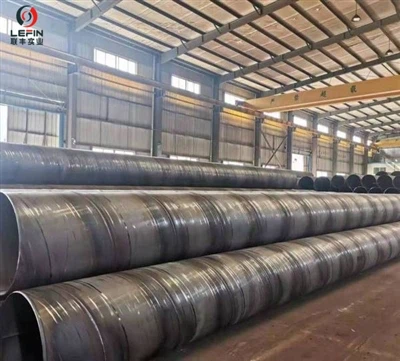
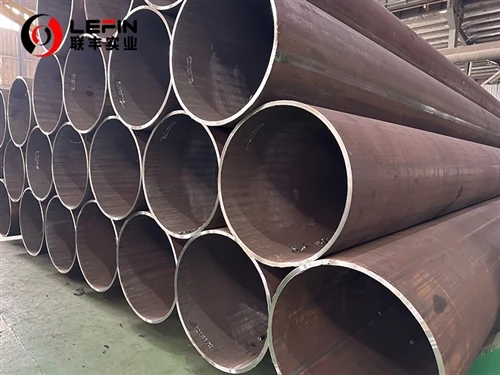
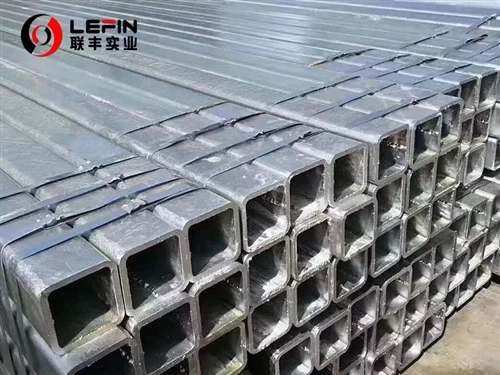
EN 10219 specifies technical delivery conditions for cold-formed welded structural hollow sections (e.g., circular, square, or rectangular tubes) made from non-alloy and fine-grain steels. These steel grades are widely used in construction and engineering due to their excellent strength-to-weight ratio, weldability, and durability. Below are the typical uses of common EN 10219 steel grades:

EN 10219 S235JRH
Typical Uses:
Light structural applications
Fencing, handrails, and architectural frameworks
Simple welded structures with moderate strength requirements
EN 10219 S275J0H / S275J2H
Typical Uses:
General construction (buildings, bridges)
Support structures, frames, and trusses
Medium-load-bearing components
EN 10219 S355J0H / S355J2H / S355K2H
Typical Uses:
Heavy-duty structural applications (high-rise buildings, industrial halls)
Bridges, offshore structures, and crane girders
Machinery and transport equipment requiring high strength
EN 10219 S420MH / S420MLH
Typical Uses:
High-strength structural applications
Wind turbine towers and heavy-duty support structures
Components requiring good cold-forming properties
EN 10219 S460MH / S460MLH
Typical Uses:
Heavy construction (large-span bridges, stadiums)
Offshore platforms and mining structures
High-performance engineering applications
Key Advantages of EN 10219 Steel Grades
- Cold-forming capability – Suitable for precision structural sections.
- Weldability – Easily welded without preheating (depending on grade).
- High strength & durability – Ideal for load-bearing applications.
- Corrosion resistance (when coated) – Used in exposed environments.
These grades are commonly found in construction, infrastructure, machinery, and transport industries, where lightweight yet strong hollow sections are preferred.