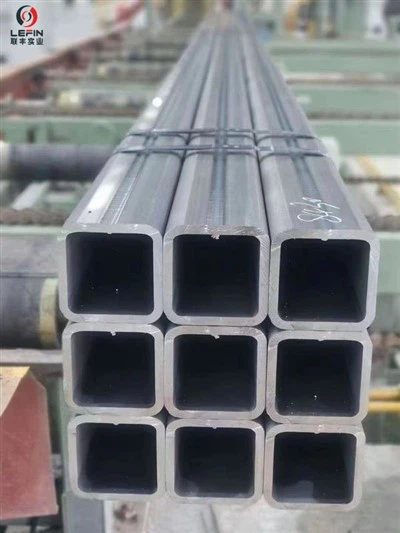
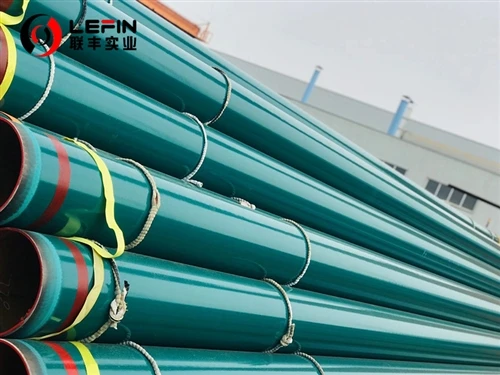
BASIC INFORMATION
EFW is an electric fusion welding technology, with its excellent corrosion resistance, pressure resistance and wear resistance, in chemical, oil, natural gas and other fields play an important role.
Electric Fusion Welding
Definition:
EFW is the technology of welding steel pipes together by high-temperature arc heating, which is a common chemical pipe manufacturing method.
Manufacturing process:
In the EFW process, the surface of the steel pipe is melted by arc heating, then quickly cooled and pressure is applied during welding to achieve seamless connection of the steel pipe.
Features:
EFW pipeline has good corrosion resistance and high reliability, and is widely used in chemical, oil, natural gas and other fields.
Application field:
EFW pipes are particularly popular in the chemical industry, because chemical production often involves a variety of corrosive substances, EFW pipes with its excellent corrosion resistance, in the chemical production is very widely used.
Pressure resistance and wear resistance:
EFW pipe also has excellent pressure resistance and wear resistance, which can ensure the safe operation of chemical production equipment.
Technical advantages
EFW pipes provide stable welding quality and reliable connections due to their unique manufacturing method, making them an important material choice in multiple industries.
COMMON PROBLEM
What is the difference between EFW and ERW?
difference
EFW (Electric Fusion Welding) and ERW (Electric Resistance Welding) are two different steel pipe welding technologies, which have some differences in manufacturing methods and characteristics:
1. Welding method:
- ERW (Resistance welding) : ERW steel pipes are manufactured by resistance welding technology, which uses the skin effect and proximity effect of high frequency current to heat the edge of the plate instantaneously to the welding temperature, and then extrusion through the extrusion roll to form a forged tissue weld. ERW steel pipe features include continuous coil production, which is cost-effective and suitable for a wide range of applications.
EFW (Electric fusion welding) : EFW steel pipe is manufactured by electric fusion welding technology, this technology by one or more consumable electrode and the workpiece between the metal to make the metal bond. The arc fully melts the metal and the filler material without pressurization, and the filler metal part comes entirely from the electrode.
2. Material use:
- ERW steel pipes: ERW pipes are flexible in material selection and can be adapted to a variety of steels, such as carbon and alloy steels. This adaptability makes it suitable for a variety of applications, from plumbing to construction projects.
EFW steel pipes: EFW pipes are usually specialized in specific materials, such as stainless steel, which is known for its corrosion resistance. The fusion process allows precise control of composition, making EFW pipes ideal for applications requiring specific material properties.
3. Industry application:
ERW piping: Due to its economical production costs and multi-material compatibility, it is widely used in a wide range of industries, including water supply, piping and general structural uses.
- EFW pipe: With strong fusion welded joints, it is often preferred in industries where structural integrity is critical. They can withstand high pressure and corrosive environments, making them ideal for oil and gas, chemical processing and power generation applications.
In summary, the main differences between ERW and EFW steel pipes are their manufacturing process, material selection, and specific applications in different industries. ERW steel pipes are widely used due to their cost effectiveness and material diversity, while EFW steel pipes are favored in more demanding applications due to their high strength and reliability.

What are the specific steps in the production process?
EFW
1. Preparation:
- Prepare welding materials, including welding electrodes, welding materials and welding auxiliary equipment. At the same time, the welded workpiece is cleaned and surface treated to ensure the quality of welding.
2. Set welding parameters:
- Set the appropriate welding current, voltage and welding speed parameters according to the type and size of the welding material. The selection of these parameters is crucial to the quality and efficiency of the welding.
3. Start welding:
- Contact the welding electrode to the welding material and melt the welding material through the action of current and voltage. At the same time, the local area around the welding material is also heated to form a welding pool. After the welding material is melted, the arc between the electrode and the welding material will maintain the welding process.
4. Control welding process:
- During the welding process, it is necessary to control the stability of welding current and voltage to ensure the uniformity and quality of welding.

ERW
1. Raw material preparation:
- Select high-quality steel plates, cut and straighten according to specifications.
2. Roll molding:
- The steel plate is rolled into a round shape and welded to form a tube blank.
3. High-frequency welding:
- Use high frequency current to heat the tube billet, form a molten pool, and weld.
4. Size correction:
- Calibrate the welded steel pipe to ensure that its dimensions meet the requirements.
5. Surface treatment:
- Rust removal, painting and other surface treatment of the steel pipe to protect its surface.