1. Core Specifications for Gas Pipeline Selection
The selection of urban gas pipelines strictly follows the "Urban Gas Design Code" GB 50028-2006 (2020 Edition). The main basis is the pipeline design pressure grade, laying method (buried/overhead/indoor), and environmental corrosion conditions. The mandatory rules are as follows:
1. Pressure Grade Matching Rule
- Gas pipelines with pressure grades of secondary high pressure (0.4MPa < P ≤ 1.6MPa) and above must use steel pipes
- Gas pipelines with medium pressure (0.01MPa < P ≤ 0.4MPa) and low pressure (P ≤ 0.01MPa) can use polyethylene (PE) pipes, mechanical interface ductile iron pipes, steel pipes, steel skeleton polyethylene plastic composite pipes
- Indoor gas pipelines should preferentially use steel pipes, and can also use copper pipes, stainless steel pipes, aluminum-plastic composite pipes, and gas-specific flexible hoses.
2. Compliance Bottom Line
- All pipe materials must be of gas-specific models, in accordance with corresponding national standards, and it is strictly prohibited to use ordinary water supply and drainage pipe materials as substitutes.
II. Application Scenarios and Core Features of Main Pipe Materials
1. Polyethylene (PE) Gas Pipes
- ( The Main Choice in Municipal Medium and Low Pressure Underground Applications)
- Application Scenarios: Medium and low pressure buried gas pipelines with a design pressure of ≤ 0.4 MPa. They are the most commonly used pipe material for current urban courtyard networks, district gas distribution branch pipes, and renovation of old networks.
- Execution Standards: "Gas Pipes for Underground Use - Polyethylene" GB 15558.1, "Gas Pipe Fittings for Underground Use - Polyethylene" GB 15558.2. The mainstream type in engineering is PE100 grade and SDR11 series.
- Core Features
- Advantages: Resistant to acid and alkali corrosion and soil electrochemical corrosion, no additional anti-corrosion layer required for underground installation; Weight is only 1/8 of that of steel pipes, making construction convenient; Using hot-melt/electrical fusion connections, the interface strength is higher than the pipe body itself, with extremely low leakage risk; Good flexibility, capable of adapting to minor foundation settlement, excellent seismic performance; Design service life can reach 50 years.
- Limitations: Poor UV resistance. Outdoor exposed installation is strictly prohibited. The long-term working temperature does not exceed 40℃, and the upper limit of pressure resistance is low. Large-diameter PE pipes with a nominal diameter exceeding de250 are only allowed to be used in medium-pressure B-class (≤0.2MPa) pipe networks.
2. Steel Pipes
- ( Core Pipe Materials for High Pressure/Special Operating Conditions)
Steel pipes are the only type of pipe that covers the entire pressure grade system. The classification and application scenarios are clearly defined:
- Classification and applicable scenarios
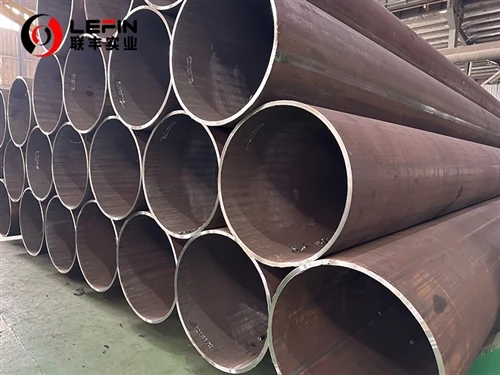
- Seamless steel pipes: Sub-high pressure, medium pressure gas pipelines, indoor medium pressure risers, introduction pipes, compliance standard GB/T 8163; specification requires a wall thickness of no less than 3mm, and the introduction pipe section should be no less than 3.5mm.
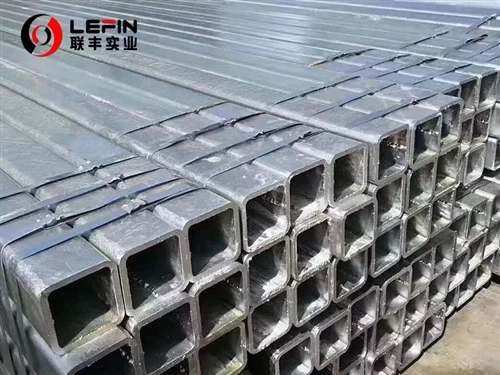
- Hot-dip galvanized welded steel pipes: Indoor low-pressure gas pipelines, compliance standard GB/T 3091, ordinary pipes for low-pressure conditions, thick-walled pipes for medium-pressure conditions.
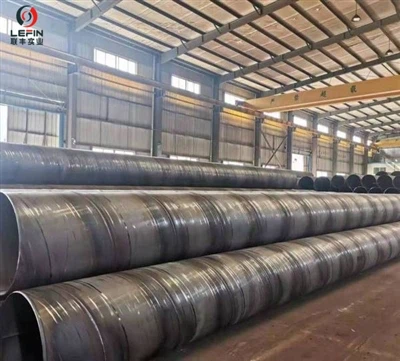
- Spiral seam submerged arc welded steel pipes: Municipal high-pressure/ sub-high-pressure main pipelines, crossing roads/rivers/geological complex sections, compliance standard GB/T 9711.
- Core features
- Advantages: High mechanical strength, strong pressure-bearing capacity, suitable for all pressure grade systems; wide temperature adaptability, can work stably in high and low temperature environments; strong resistance to external loads, suitable for special operating conditions such as crossing, overhead installation.
- Limitations: Carbon steel material is prone to electrochemical corrosion; buried installation must be accompanied by anti-corrosion coating + cathodic protection system; heavy weight, difficult welding construction, high comprehensive construction and operation costs.
3. Spheroidal graphite cast iron pipe
- ( Transitional pipe material for old-style municipal pipelines)
- Application scenarios: Low-pressure buried gas pipelines with a design pressure of ≤ 0.2 MPa. Currently, this type of pipe is rarely used in new construction projects and is more commonly found in early-built municipal pipelines.
- Execution standard: "Spheroidal Graphite Cast Iron Pipes, Fittings and Accessories for Water and Gas Pipelines" GB/T 13295, using mechanical flexible interface.
- Core features
- Advantages: Strong resistance to external pressure loads, suitable for underground installation under vehicular roads; Flexible interface can adapt to a small amount of foundation settlement.
- Limitations: Heavy weight, high construction difficulty; The pipe wall is prone to corrosion, and the long-term service leakage risk is higher than that of PE pipes; There are many interfaces, and the maintenance cost is high. New municipal pipelines in China have basically been replaced by PE pipes.
4. Stainless steel pipes / stainless steel corrugated pipes
- ( The preferred choice for indoor gas pipelines)
- Application scenarios: Indoor gas risers, after-the-meter branch pipes, concealed sections passing through walls; connection segments for household stoves and water heaters. Stainless steel corrugated hoses are widely used.
- Key features
- Advantages: Extremely strong corrosion resistance, long service life; Corrugated pipes have good flexibility, can be freely bent and routed, and installation does not require threading or welding; Good air tightness, high aesthetic appeal, and support for indoor concealed laying.
- Limitations: Cost is higher than galvanized steel pipes; Thin-walled stainless steel pipes are not suitable for outdoor open-air laying without protection and must not be directly buried.
5. Aluminum-plastic Composite Pipe
- (Supplementary for Indoor Low-Pressure Branch Pipes)
- Applicable Scenarios: Short-distance branch pipes after indoor low-pressure gas meters, used for connecting gas appliances.
- Key Features
- Advantages: Lightweight, flexible, non-corrosive, and convenient for construction.
- Limitations: Low pressure-bearing capacity, only suitable for low-pressure conditions; The plastic layer is prone to aging over time, and the risk of interface leakage is higher than that of metal pipes. Currently, it is gradually being replaced by stainless steel corrugated pipes.
6. Steel-reinforced polyethylene composite pipe
- ( Supplementary information for special conditions)
- Applicable scenarios: Medium and low pressure buried gas pipelines, suitable for scenarios where higher strength is required than pure PE pipes and there is a strong need for corrosion resistance.
- Key features: With steel wire mesh as the reinforcement and polyethylene as the matrix, it combines the high strength of steel pipes and the corrosion resistance of PE pipes, is non-conductive and has no electrochemical corrosion issues; however, the connection process requires high standards, and the overall cost is higher than that of ordinary PE pipes.
III. General Selection Principles
1. Safety First
- Only gas-specific pipe materials must be used; ordinary PVC pipes or PPR water supply pipes must not be substituted. Gas hoses must use dedicated metal or rubber hoses, and the length and laying method must be strictly controlled.
2. Environmental Adaptation
- In saline-alkali areas and highly corrosive soil, PE pipes or reinforced anti-corrosion steel pipes should be selected; in northern cold regions, PE100 grade pipes or steel pipes with low-temperature resistance properties should be preferred.
3. Full-Cycle Cost
- For medium and low-pressure underground pipelines, PE pipes are the preferred choice as they have the lowest comprehensive construction and operation costs; for high-pressure, crossing, and overhead sections, steel pipes must be used to ensure structural safety.
IV. Common Specifications and Core Parameters of Main Pipe Materials
1. Polyethylene (PE) Gas Pipes
( It is the absolute mainstream of the current municipal medium and low pressure buried pipeline network, and its parameters strictly match "Buried Polyethylene Pipes for Gas" GB 15558.1. )
- Material grade: New construction projects uniformly adopt PE100 grade gas-specific mixed ingredients. Early existing pipelines have a small amount of PE80 grade.
- Pressure series: The maximum allowable working pressure of the SDR11 series is 0.4 MPa (suitable for medium-pressure A level), and the maximum allowable working pressure of the SDR17.6 series is 0.2 MPa (suitable for medium-pressure B level/low pressure).
- Common specifications: Nominal outer diameters range from de20 to de630; common specifications for courtyard and residential branch pipes are de63, de90, de110, and de160; common specifications for municipal main pipes are de200 to de400.
- Connection method: Large-diameter pipes (de63 and above) use hot-melt connection; pipes below de63, branch joints, and emergency repairs use electric fusion connection.
2. Specialized Gas Pipes
( The only type of pipe that covers all pressure ratings, with differentiated categories suitable for various scenarios )
- Seamless steel pipes (20-grade high-quality carbon steel, in accordance with GB/T 8163): Commonly used in DN15 to DN600, with a minimum wall thickness of 3mm for low-pressure conditions, 3.5mm for medium-pressure conditions, and additional thickening for secondary and higher pressure levels based on pressure calculations; mostly used for indoor risers, inlet pipes, and road crossing sections
- Hot-dip galvanized welded steel pipes (in accordance with GB/T 3091): Traditional mainstream for indoor low-pressure pipelines, commonly available in DN15 (4 inches), DN20 (6 inches), and DN25 (1 inch) specifications; ordinary grade is suitable for pure low-pressure conditions, and thickened grade is suitable for medium-pressure sections within buildings
- Spiral seam submerged arc welded steel pipes (L245/L290 pipeline steel, in accordance with GB/T 9711): Specialized for municipal high-pressure/secondary high-pressure main pipes, commonly used in DN200 to DN1200, with wall thickness specially designed based on pressure and soil load
3. Indoor Stainless Steel Pipes
The top choice for high-end indoor decoration and concealed installation scenarios. It is divided into two types:
- Thin-walled stainless steel pipes (304/316L material): For indoor exposed or concealed main pipes and branch pipes, commonly used in DN15 to DN50, with a wall thickness of 0.8 to 1.5mm. They are connected by compression or ring compression methods, ensuring stable air tightness.
- Gas use stainless steel corrugated pipes: The mainstream solution for connection segments of appliances after the meter. Commonly used in household applications in DN15 and DN20 specifications; the entire pipe has no joints and can be freely bent, with a maximum exposed length of 2m, and the service life can reach 8 to 10 years.
4. Other supplementary pipe materials
- Steel-reinforced polyethylene plastic composite pipe: Commonly available in diameters ranging from DN50 to DN500, with pressure ratings of 0.4 to 1.0 MPa. It combines strength and corrosion resistance, suitable for medium-pressure underground pipelines in saline-alkali areas and highly corrosive geological environments.
- Spheroidal graphite cast iron pipe: Commonly available in diameters ranging from DN100 to DN800, with K9 wall thickness grade, flexible mechanical interface. It is only suitable for low-pressure underground scenarios with a pressure of ≤ 0.2 MPa.
V. Mandatory Specifications for Construction and Acceptance
1. Mandatory Requirements for Underground Pipelines
- Minimum soil cover depth (from pipe top to ground) : ≥0.9m under motor vehicle lanes, ≥0.6m under non-motor vehicle lanes/sidewalks, ≥0.3m under courtyard green Spaces, ≥0.8m under paddy fields/cultivated land. In cold northern regions, it must be laid below the permafrost layer.
- Corrosion Prevention Requirements: Carbon steel pipes must have an external anti-corrosion layer (commonly a three-layer PE structure, including ordinary grade and reinforced grade), and a cathodic protection system must be provided; PE pipes have no electrochemical corrosion risk and do not require additional anti-corrosion, but must not be laid exposed to the sun for outdoor installation
- Backfill Specifications:A 10-15cm layer of fine sand or soft soil is laid at the bottom of the pipe for leveling, and 0.5m above the pipe top is manually filled with fine soil. Stones and construction waste must not be mixed in, to avoid damaging the pipe wall
- Safety Clearance: Horizontal clearance from water supply pipes ≥0.5m, from drainage pipes ≥1.0m, from power cables ≥0.5m; when crossing, the vertical clearance ≥0.15m
2. Core Requirements for Indoor Pipelines
- Installation Prohibited Areas: It is strictly prohibited to pass through bedrooms, bathrooms, bathrooms, flammable and explosive material storage rooms, power distribution rooms, cable trenches, and directly above gas appliances. Gas pipelines must not be laid parallel to gas appliances.
- Wall Sleeve Installation: When passing through walls or floors, steel sleeves must be installed. The diameter of the sleeve should be 2 sizes larger than the gas pipeline. The gaps should be sealed with fireproof flexible materials.
- Electrical Safety Distance: For exposed pipelines, the distance from power sockets should be ≥ 15 cm, and from distribution boxes and exposed switches should be ≥ 30 cm. When crossing wires, insulation sleeves should be used for isolation.
- Red Line for Flexible Pipes: The total length of the flexible pipe connecting gas appliances should be ≤ 2 m. It is not allowed to pass through walls, ceilings, or floors. Ordinary rubber flexible pipes have a service life of no more than 18 months. They must not be used beyond their service life. Stainless steel corrugated pipes should be preferred.
3. Key inspection items for acceptance of all gas pipeline projects
All gas pipeline projects undergo acceptance in accordance with the "Urban Gas Transmission and Distribution Engineering Construction and Acceptance Specifications" CJJ 33 and the "Urban Gas Indoor Engineering Construction and Quality Acceptance Specifications" CJJ 94. Core inspection items:
1. Pipeline purging: After installation, use dry compressed air for purging with a flow rate of ≥ 20m/s until there are no rust, dust, or other debris at the outlet.
2. Strength test: For medium-pressure and above pipelines, the test pressure is 1.5 times the design pressure and no less than 0.4MPa. For low-pressure pipelines, it is no less than 0.1MPa. Maintain pressure for 1 hour, with no pressure drop and no leakage considered as qualified.
3. Air tightness test: The test pressure is 1.15 times the design pressure. For medium-high pressure pipelines, maintain pressure for 24 hours, and for low-pressure residential pipelines, maintain pressure for 24 hours. The pressure drop rate within the allowable range is considered qualified.
4. Weld seam inspection: For secondary high-pressure pipelines, 100% radiographic non-destructive testing of weld seams is required. For medium-pressure pipelines, 10% to 15% of weld seams are inspected randomly. Unqualified weld seams must be reworked and double re-inspected.