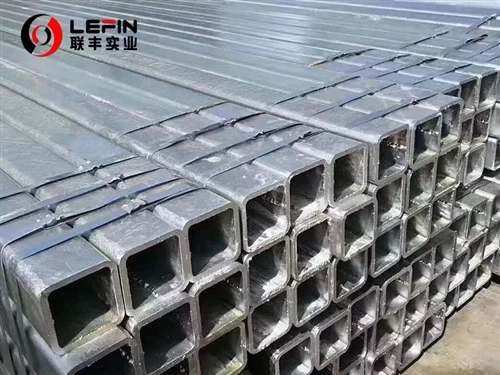
Hot-dip galvanizing is a process used to apply a protective coating of zinc to steel or iron surfaces, providing a range of benefits from corrosion resistance to sustainability.

Process
The hot-dip galvanizing process involves several key steps:
- Preparation: The steel is cleaned thoroughly to remove impurities such as dirt, oil, or old paint. It is then dipped in a degreasing solution, rinsed, and treated with an acid solution (pickling) to remove rust and scale.
- Fluxing: The steel is dipped into a flux solution, usually made of zinc ammonium chloride, which prepares the surface to accept the zinc coating effectively.
- Galvanizing: The prepared steel is dipped into a bath of molten zinc, heated to about 450°C (842°F). This high temperature causes the zinc to bond chemically to the steel, forming a series of zinc-iron alloy layers.
- Cooling: After the steel is removed from the zinc bath, it is cooled in a quench tank or left to cool in the air, solidifying the zinc and completing the formation of a tough, protective outer layer.
- Inspection: The final step is a thorough inspection to ensure the coating is complete and free from defects. The zinc coating is checked for thickness, adherence, and overall appearance
concise comparison of three distinct methods
Hot-dip galvanizing, cold galvanizing, and pre-galvanizing are three distinct methods used to apply zinc coatings to steel for corrosion protection.
(CLICK HERE➡Difference Between Hot Dip Galvanized And Pre-Galvanized )
(CLICK HERE➡Difference Between Hot Dip Galvanized And Cold Galvanized )
Process:
- Hot-Dip Galvanizing:Steel is dipped in molten zinc at high temperatures.
- Cold galvanizing:Electrolytic application of a thin zinc coating.
- Pre-galvanizing:Similar to cold galvanizing, applied before cutting or shaping.
Coating:
- Hot-Dip Galvanizing:Thick, durable, and provides excellent corrosion resistance.
- Cold galvanizing:Thin, less durable compared to hot-dip.
- Pre-galvanizing:Uniform but may leave cut edges uncoated.
Use:
- Hot-Dip Galvanizing:Ideal for large structures and long-term outdoor applications.
- Cold galvanizing:Suitable for small components and indoor use where cost is a factor.
- Pre-galvanizing:Good for materials that will be shaped or formed after coating.
In summary, hot-dip galvanizing is preferred for its durability and corrosion resistance, especially in outdoor applications and for larger structures, while cold galvanizing and pre-galvanizing are used for smaller components and specific applications where cost and complexity of shapes are considerations.
Advantages
- Corrosion Resistance: Hot-dip galvanizing provides excellent corrosion resistance to steel and iron. The zinc coating acts as a barrier, protecting the underlying metal from exposure to corrosive elements such as moisture and air.
- Longevity: Galvanized coatings are durable and have a long life expectancy. The zinc layer forms a protective barrier that helps extend the lifespan of the coated metal, reducing the frequency of maintenance and replacement.
- Low Maintenance Costs: The durability and resistance to corrosion of galvanized coatings significantly reduce the need for maintenance, resulting in lower long-term maintenance costs compared to other corrosion protection methods.
- Tough Coating: The hot-dip galvanizing process creates a thick and tough coating on the metal surface, providing mechanical protection and making galvanized steel more resistant to damage during handling, transportation, and installation.
- Uniform Coating: Hot-dip galvanizing ensures a uniform coating thickness on all surfaces of the metal, including corners and edges, providing consistent protection across the entire surface of the material.
- Ease of Inspection: The appearance of a hot-dip galvanized surface makes it easy to inspect for quality assurance. Any imperfections or areas of concern are readily visible, allowing for quick and effective quality control.
- Versatility: Hot-dip galvanizing can be applied to a wide range of steel and iron products, from small components to large structures, making it a suitable corrosion protection solution for various applications.
- Environmentally Friendly: The hot-dip galvanizing process is known for its minimal environmental impact. The zinc used in the coating is a natural and abundant element, and the process produces minimal waste. Additionally, galvanized steel is fully recyclable.
- Quick Turnaround: Hot-dip galvanizing is a relatively fast process, allowing for quick turnaround times, which can be advantageous in projects with tight deadlines or where rapid deployment is essential.
- Cost-Effective: While the initial cost of hot-dip galvanizing may be higher than some alternative coatings, the long lifespan and low maintenance requirements make it a cost-effective solution over the life of the structure or component.
Hot-dip galvanizing is a robust and multifaceted process that offers a multitude of benefits, from environmental sustainability to economic savings and long-term durability. It is widely used across various industries due to its ability to protect steel from corrosion and extend the life of metal products.