What are the differences between the Plasma welding and submerged arc welding
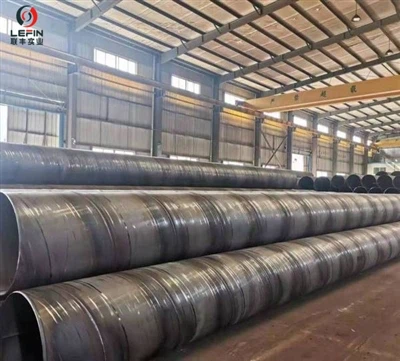
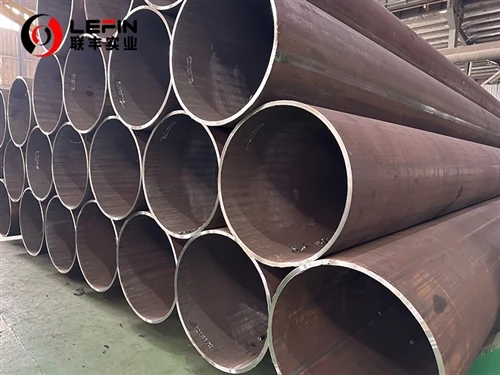
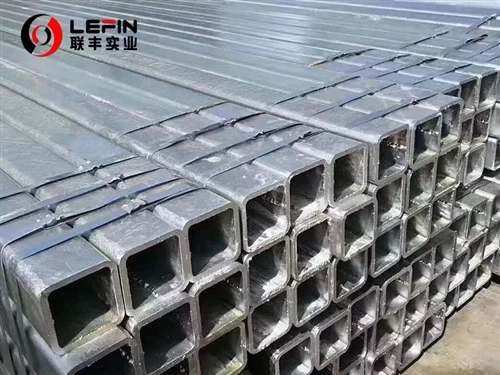
Plasma welding and submerged arc welding are two different welding techniques that are widely used in the manufacturing industry. Both welding processes are capable of producing high-quality welds, but they have significant differences that make them suitable for different applications. LEFIN STEEL produces the productions by submerged arc welding.
Plasma welding is a type of welding process that involves the use of a plasma arc to heat and melt materials. The plasma arc is created by passing an inert gas (usually argon) through a small orifice and then applying a high-frequency electrical current to the gas. This creates a highly ionized plasma stream, which generates temperatures up to 30,000°C. With such high temperatures, plasma welding is capable of welding very thin materials without causing any deformation.
On the other hand, submerged arc welding (SAW) is a type of welding process where the arc is generated between a continuously fed wire electrode and the workpiece. The weld area is protected from the ambient air by a layer of flux that melts and covers the weld region. This creates a shield that prevents any contamination and ensures the weld quality. Submerged arc welding is ideal for welding thick materials and for welding in a horizontal position, making it an excellent choice for welding large structural steel pieces.
Application:
Plasma welding is commonly used in aerospace and automotive industries, as well as in welding tubes and pipes.
Submerged arc welding is widely used in the manufacturing of heavy equipment, such as pressure vessels and shipbuilding.


In conclusion, both plasma welding and submerged arc welding have their unique advantages and disadvantages, and their selection entirely depends on the specific application. So, it's important to have proper knowledge of the welding process and select the best one that suits the job requirements.