Surface treatment of hollow section steel is very important to ensure the durability and longevity of the material. There are various methods of surface treatment that can be used, depending on the intended application and environmental conditions.

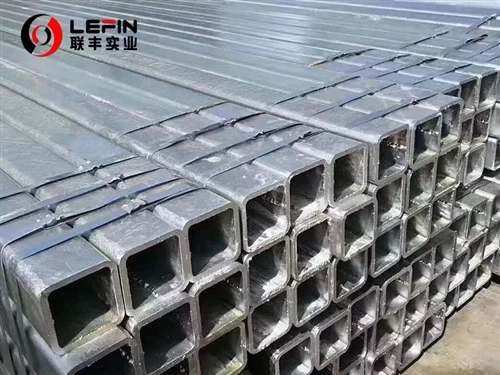
1. Hot-Dip Galvanizing: A process that involves immersing the steel in a bath of hot molten zinc to create a protective zinc coating that prevents rust and corrosion.
2. Powder Coating: A dry finishing process that involves electrostatically coating the pre-treated surface with finely ground particles of pigment and resin. The coated surface is then cured to provide a durable finish.
3. Paint Coating: A wet coating process that involves applying a layer of liquid paint to the pre-treated surface of the steel.
4. Anodizing: A process that involves converting the surface of the steel into an oxide layer by applying an electric current to the surface of the metal.
5. Electrophoretic Coating: Also known as electrocoating, this process involves immersing the steel in an electrically charged bath of paint to deposit a coating on the surface.
6. Zinc Spraying: A process that involves spraying molten zinc onto the surface of the steel to create a corrosion-resistant coating.
7. Shot Blasting: A surface preparation process that involves propelling small steel shot at high speed onto the surface to create a clean, rough surface for better coating adhesion.
8. Brush Polishing: A manual process that involves using a wire brush or abrasive pad to remove rust and debris from the surface and create a smooth finish.
9. Acid Pickling: A chemical process that uses acid to remove rust and scale from the surface of the steel.
10. Phosphating: A process that involves applying a solution of phosphate and water to the steel surface to create a protective coating that prevents rust and corrosion.