What Are The Differences Between Piling Pipe And LSAW Pipe
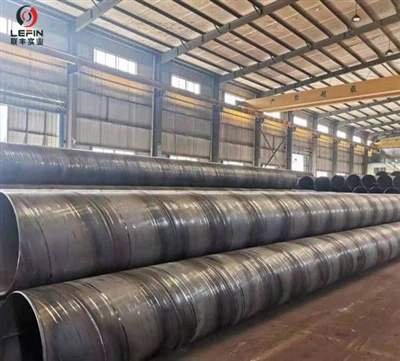
Piling pipe and LSAW(longitudinal submerged arc welding) pipe are both used in the construction industry, but they have different features and applications. LEFIN STEEL mainly prooduces the piling pipe and LSAW pipe.
Materail choices:
Piling pipes are made of high-quality steel and are designed to withstand high loads and pressures. They are large in diameter and can be as long as 100 meters. Piling pipes are typically made from materials such as steel or concrete.
LSAW pipes are made by bending and welding steel plates together, which creates a long, cylindrical pipe.
Processing process:
Piling pipe:
1. Material selection: The first step in the process is selecting the right materials. Piling pipes are typically made of steel or concrete, and the selection depends on the specific needs of the project. Steel pipes are preferred for their strength and durability, while concrete pipes are preferred for their stability and resistance to corrosion.
2. Manufacturing: Once the materials have been selected, the next step is manufacturing. Steel pipes are typically made using a combination of rolling and welding, while concrete pipes are usually cast in molds. The manufacturing process is designed to ensure that the pipes are strong, durable, and of the correct dimension.
3. Testing: After the pipes have been manufactured, they undergo a series of tests to ensure that they meet the required standards. These tests include visual inspections, ultrasonic testing, and hydrostatic testing, among others. The testing process is critical to ensuring that the pipes are strong and can withstand the weight of the structure they will support.
4. Delivery and installation: The final step in the process is delivery and installation. Piling pipes are delivered to the construction site and installed using specialized machinery. The pipes are driven into the ground using a pile driver, and the process is carefully monitored to ensure that the pipes are properly installed and meet the required specifications.

LSAW pipe:
1. Plate Preparation: The first step is to prepare the steel plate by cutting it to the required length and width. The edges of the plate are then beveled to form a V-shaped groove to create a proper weld joint.
2. Edge Milling: The edges are then milled to remove any burrs or rough spots that may affect the welding process. This ensures that the plates fit together seamlessly, creating a strong and durable weld joint.
3. Forming: The plates are then fed through a press to form them into the desired shape of the pipe. The edges are then tack welded together to hold the shape in place.
4. Welding: Once the plates are formed, they are fed through a series of rollers and submerged in an arc welding process. The welder moves along the length of the pipe, welding the edges together until they form a continuous seam.
5. Heat Treatment: After welding, the pipe is heat-treated to relieve any residual stresses and ensure the welded area is as strong as the rest of the pipe.
6. Inspection: Finally, the pipe is inspected using various methods such as ultrasonic testing, visual inspection, and x-ray imaging. This ensures that the pipe meets the required safety and quality standards.

Differences:
The processing process of piling pipes involves the use of a pile driver, which drives the pile into the ground. This process requires high pressure and involves a lot of vibration. The pile is then welded together to form the final product.
The processing process of LSAW pipes involves first forming a flat strip of steel into a round shape, called a skelp. The skelp is then fed into a machine that uses a submerged arc welding process to join the edges together, creating a longitudinal seam. The pipe is then expanded and shaped into its final form.
Advantages:
One of the key advantages of piling pipes is their ability to bear heavy loads and withstand pressure. This makes them ideal for use in foundations, retaining walls, bridges, and other large construction projects. Piling pipes are also able to penetrate deep into the ground, making them a popular choice for building in areas with soft or unstable soil conditions.
On the other hand, LSAW pipes offer several advantages of their own. First, they are highly resistant to corrosion and other types of damage, making them ideal for use in harsh environments. Additionally, LSAW pipes are relatively easy to install, which can help reduce project costs and lead times.
Application:
Piling pipe:
1. Bridge construction: Piling pipes are commonly used in the construction of bridges to provide support for the bridge’s foundation. The pipes are driven deep into the ground to reach stable soil layers, providing a solid foundation for the bridge.
2. Port construction: Ports require heavy-duty structures to be built to handle the weight of large ships and cargo. Piling pipes are used to support the structures that are built on the port, including docks, cranes, and storage facilities.
3. High-rise building construction: Tall buildings require strong foundation systems to support their weight. Piling pipes are used to create deep foundations that can support the massive load of a high-rise building. This ensures that the building remains stable and secure.
4. Oil and gas drilling: Piling pipes are also used in the oil and gas drilling industry, where they are placed into the ground to provide structural support for drilling rigs. This allows the rigs to remain stable and ensures that drilling operations can be carried out safely and effectively.
5. Coastal protection: Piling pipes can be used to create barriers along the coastline to protect against erosion and other natural disasters. The pipes are driven into the ground and used to create a solid barrier that can withstand the forces of nature.

LSAW pipe:
1. Oil and gas industry: LSAW pipes are commonly used in the transportation of oil and gas, both onshore and offshore. The pipes are used in pipelines, risers, and other equipment.
2. Water transportation: LSAW pipes are used in the transportation of water, both for industrial and domestic purposes. The pipes are also used for irrigation and drainage systems.
3. Structural purposes: LSAW pipes are used in construction, for building bridges, buildings, and other structures. They are also used in the construction of offshore platforms.
4. Piling: LSAW pipes are used in the construction of foundations for buildings and other structures. They are also used as piling to support structures in water.
5. Transportation: LSAW pipes are used in the transportation of various materials, including coal, minerals, and grains.

Differences:
Piling pipe is mainly used in foundation construction, such as bridges, docks, and buildings. It is designed to transmit loads from structures to deeper layers of soil or rock.
LSAW pipe is mainly used in the transportation of fluids and gases. It is designed to transport fluids and gases over long distances, often under high pressure and high temperature conditions.
Piling pipes are usually made of steel and have a relatively simple structure, with a cylindrical shape and a smooth surface. They are also typically longer than other pipes, with lengths up to 100 meters.
LSAW pipes have a more complex structure, with multiple layers of steel and various coatings to resist corrosion. They are also usually shorter than piling pipes, with lengths up to 12 meters.
How to recognize the Piling pipe and the lsaw pipe
Piling pipes and LSAW pipes are both commonly used in construction projects. Piling pipes are used for foundation piling, whereas LSAW pipes are used for transporting gas and oil. Here are some tips to help you recognize these two types of pipes:
1. Look at the surface of the pipe
Piling pipes are often coated with a layer of cement or concrete to increase their strength and durability. They also often have flared ends to make it easier to drive them into the ground. In contrast, LSAW pipes usually have a smooth surface and do not have flared ends.
2. Pay attention to the size of the pipe
Piling pipes tend to be much thicker and larger in diameter than LSAW pipes. This is because they need to bear a lot of weight and provide a stable foundation for the structure. LSAW pipes, on the other hand, are thinner and smaller in diameter because they are used to transport materials and do not need to bear as much weight.
3. Look at the shape of the pipe
Piling pipes are often cylindrical in shape, which makes them easy to drive into the ground. They may also have a conical tip to help them penetrate deeper into the soil. LSAW pipes, on the other hand, are usually straight and have a uniform diameter along their entire length.
4. Check the welding seam
LSAW pipes are made by welding together two or more steel plates to form a cylindrical shape. The welding seam is usually visible on the surface of the pipe and can be a useful way to identify the type of pipe. Piling pipes, on the other hand, are usually seamless and do not have a visible welding seam.


In conclusion, both piling pipes and LSAW pipes are important components of construction and infrastructure projects, but they serve different purposes and have different requirements for their manufacturing and design. By understanding these differences, engineers and builders can choose the right type of pipe for their specific needs and ensure the safety and durability of their structures.