What are the Differences between Structural pipe and Industrial pipe
Structural pipe and industrial pipe are both used in various applications in the construction and manufacturing industries. However, there are some key differences between the two types of pipes. LEFIN STEEL produces both structural pipe and industrial pipe.
Designed for:
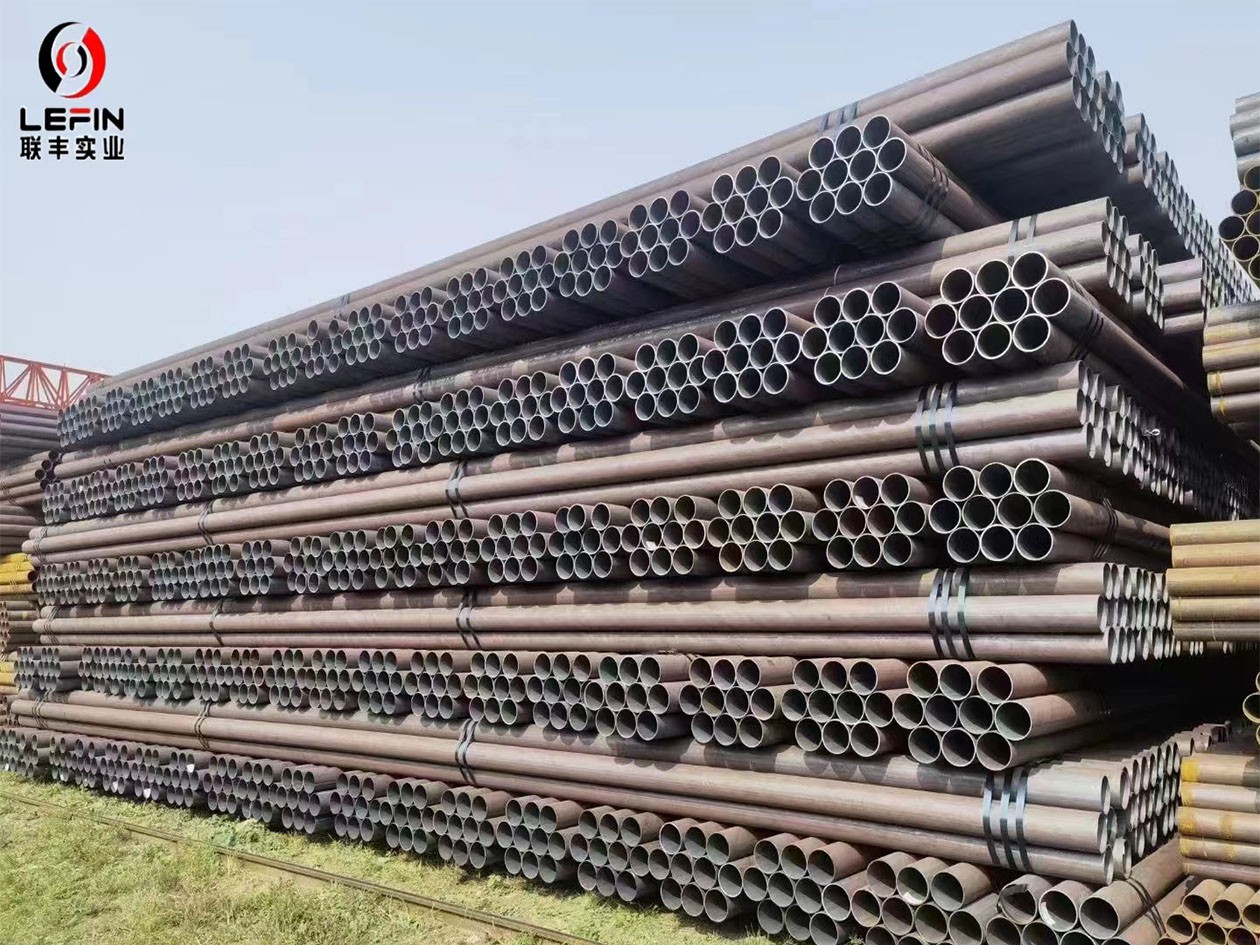
Structural pipe: designed to provide support and stability to structures. It is commonly used in construction for building frames, scaffolding, and bridges. Structural pipes are typically thicker and heavier than industrial pipes. This allows them to withstand the weight and pressure of the structures they support. They also have a higher strength-to-weight ratio, making them more durable and long-lasting.
Industrial pipe: used for a wide range of applications in manufacturing and processing industries. It is commonly used to transport liquids and gases in chemical plants, refineries, and other industrial settings. Industrial pipes can be made from a variety of materials such as metal, plastic, and fiberglass, depending on the specific application requirements. They are typically thinner and lighter than structural pipes, making them easier to transport and install.
Manufacturing process: Structural pipes are typically made by rolling and welding steel sheets, while industrial pipes can be made by a variety of processes including casting, extrusion, and injection molding.
For example:
What are the differences between EN10219 Structural pipe and EN10219 Industrial pipe:
For the application:
EN10219 is a European standard for cold-formed welded structural hollow sections of non-alloy and fine grain steels. The standard applies to structural pipes that are used in construction, engineering, and mechanical industries. There are two types of EN10219 pipes: structural pipes and industrial pipes.
EN10219 structural pipes are primarily used in construction and engineering industries for load-bearing structures such as columns, trusses, and beams. These pipes are designed to withstand heavy loads, making them ideal for buildings, bridges, and other infrastructure projects.
EN10219 industrial pipes are used in mechanical industries for general applications such as piping, fencing, and scaffolding. These pipes are not designed to carry heavy loads and are typically used for non-structural purposes.
For the manufacturing process:
EN10219 structural pipes are cold-formed using a high-quality steel strip that is welded longitudinally. This process ensures the pipes are consistent in shape and size and have a uniform wall thickness.
EN10219 industrial pipes, on the other hand, can be either cold-formed or hot-finished, depending on the application.
How to determin the Structural pipe and Industrial pipe:
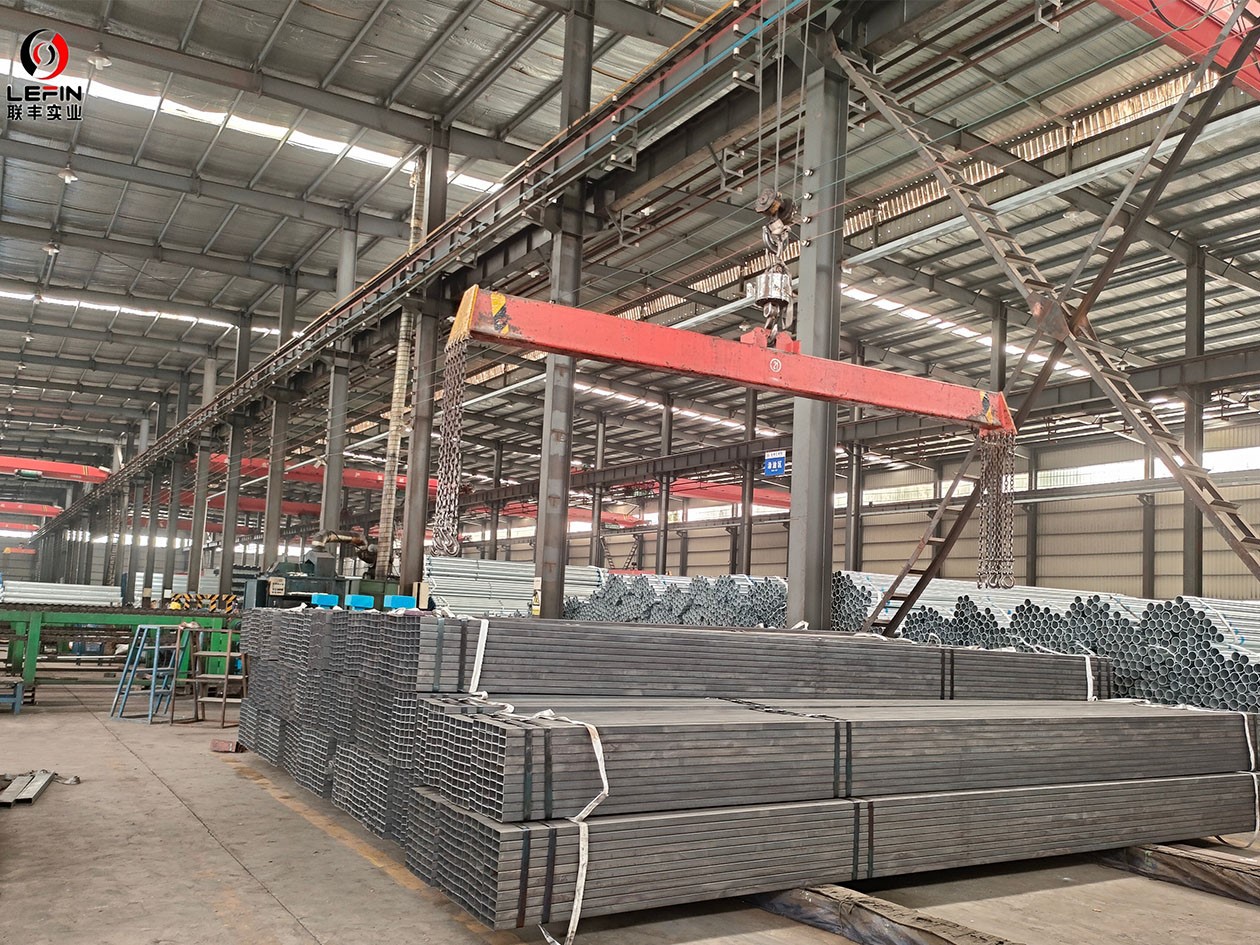
When it comes to identifying types of pipes, it can be helpful to know the differences between structural pipes and industrial pipes. Application: Structural pipes are typically used for structural applications, such as supporting the weight of a building or bridge. Industrial pipes, on the other hand, are used for a variety of purposes, such as transporting fluids or gases.
Shaps: Structural pipes often have a round or square cross-section, and may be hollow or solid. Structural pipes are made from materials such as steel or aluminum, and are typically very strong and durable.
Industrial pipes can be made from a variety of materials, including steel, plastic, copper, and more. They often have a cylindrical shape and may come in varying sizes to accommodate different applications. Industrial pipes can be used for a wide range of purposes, from transporting water or chemicals to carrying steam or gas.
Intended use: If it's meant to support the weight of a structure, it's likely a structural pipe. If it's used for a specific purpose, such as transporting a fluid or gas, it's likely an industrial pipe.


In conclusion, EN10219 structural pipes and EN10219 industrial pipes are both made to the same European standard, but their application and manufacturing processes differ. EN10219 structural pipes are designed for load-bearing structures, and EN10219 industrial pipes are used in mechanical industries for general purposes.