What Is Steel Angle?
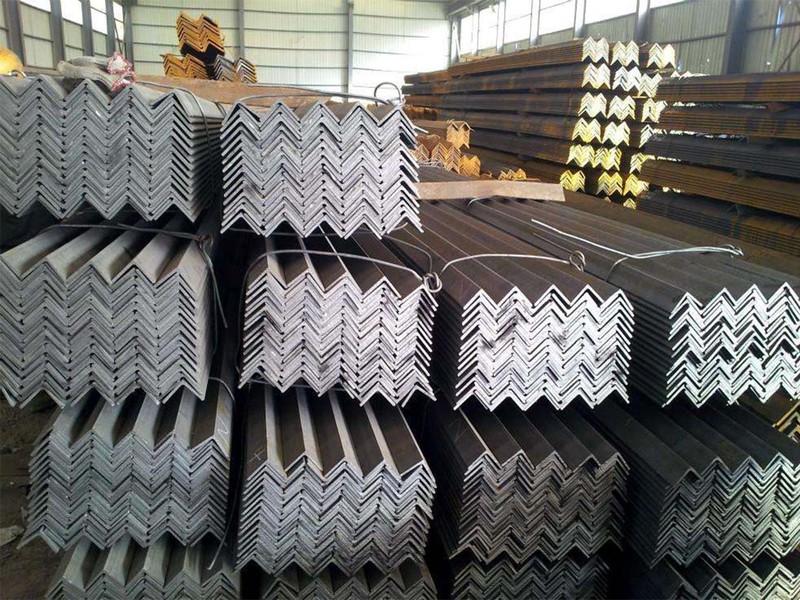
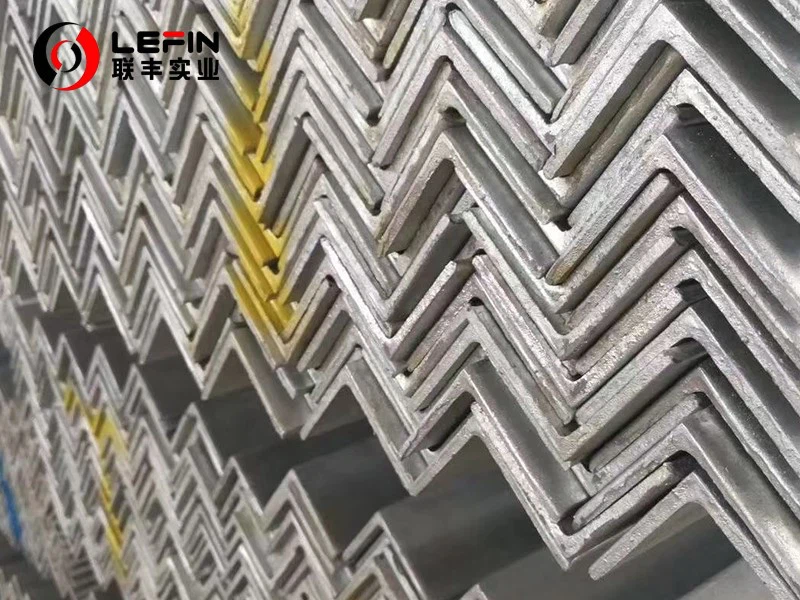
Steel angle, also known as angle iron or steel angle bar, is a type of structural steel shape that is commonly used in construction and manufacturing. Steel angles have an L-shaped cross-section, which consists of two legs that meet at a 90-degree angle. These legs can be of equal length (equal angles) or of different lengths (unequal angles). They are typically made from hot-rolled carbon steel or high-strength low-alloy steel, providing durability and strength for various applications.
By Shape

Equal Angle Steel
- Description: Both legs of the angle are of equal length, forming a perfect 90-degree angle.
- Applications: Commonly used in frameworks, supports, and bracing structures where equal strength is required in both directions.
- Example: 50mm x 50mm x 5mm (both legs are 50mm long, with a thickness of 5mm).
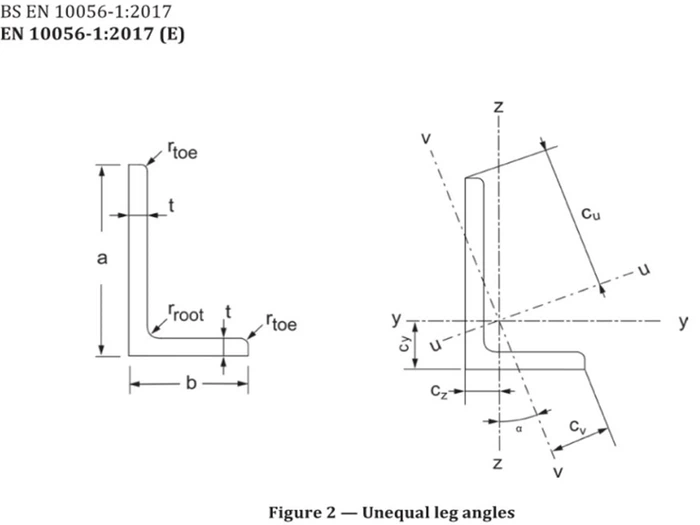
Unequal Angle Steel
- Description: The legs of the angle are of different lengths, forming a 90-degree angle.
- Applications: Used in applications where one leg needs to be longer for specific structural or design requirements, such as in asymmetrical frameworks or supports.
- Example: 100mm x 50mm x 6mm (one leg is 100mm, the other is 50mm, with a thickness of 6mm).
By Processing Technology
Hot-Rolled Angle Steel
- Description: Manufactured by heating steel billets and rolling them into the desired L-shape. This process results in a rough surface finish but provides high strength.
- Applications: Suitable for heavy-duty structural applications, such as bridges, buildings, and machinery.
- Advantages: Cost-effective, high load-bearing capacity, and durable.
Cold-Rolled Angle Steel
- Description: Produced by cold-forming steel sheets or strips into the L-shape. This process results in a smoother surface finish and tighter tolerances.
- Applications: Used in precision applications, such as furniture, automotive parts, and lightweight structures.
- Advantages: Better surface finish, precise dimensions, and improved mechanical properties.

By Material
Mild Steel Angle
- Description:Mild steel, also known as low-carbon steel, contains a small percentage of carbon (typically less than 0.25%), making it malleable and ductile.Mild steel angles are easy to weld, cut, and fabricate, with a smooth surface finish. They offer good strength and durability for general-purpose applications.
- Applications:Construction, Manufacturing, Infrastructure.
- Advantages: Cost-Effective, Ease of Fabrication, Versatility.
High-Strength Low-Alloy (HSLA) Steel Angle
- Description: HSLA steel is a type of alloy steel that contains small amounts of alloying elements (such as manganese, vanadium, or niobium) to enhance its strength and toughness.HSLA steel angles offer higher strength-to-weight ratios compared to mild steel, along with improved corrosion resistance and weldability.
- Applications: Heavy-Duty Structures, Transportation, Industrial Equipment.
- Advantages: High Strength, Corrosion Resistance, Durability.
Stainless Steel Angle
- Description: Made from stainless steel, offering excellent corrosion resistance and aesthetic appeal.
- Applications: Ideal for environments exposed to moisture, chemicals, or high temperatures, such as food processing plants, marine structures, and architectural designs.
- Grades: Common grades include 304 and 316 stainless steel.

By Surface Treatment
Galvanized Angle Steel
- Description: Galvanized angle steel is coated with a layer of zinc to protect it from corrosion and rust. The galvanization process can be done through hot-dip galvanizing or electro-galvanizing.
- Applications: Widely used in outdoor structures, fencing, agricultural equipment, and environments exposed to moisture or harsh weather conditions.
- Advantages: Excellent corrosion resistance, Long-lasting durability in harsh environments, Low maintenance requirements.
Black (No Treatment) Angle Steel
- Description: Black angle steel, also known as untreated or raw angle steel, is produced without any surface treatment or coating. It has a dark, natural finish due to the mill scale formed during the hot-rolling process.
- Applications: Commonly used in structural frameworks, machinery, and industrial applications where surface finish is not a priority. Often used as a base material for further processing or coating.
- Advantages: Cost-effective and readily available, Suitable for welding, cutting, and fabrication, Can be painted or galvanized later for additional protection.
Painted Angle Steel
- Description: Painted angle steel is coated with a layer of paint or powder coating to enhance its appearance and provide additional protection against corrosion and environmental factors.
- Applications: Used in architectural designs, decorative structures, and indoor/outdoor applications where aesthetics and corrosion resistance are important.
- Advantages: Improved visual appeal with a variety of color options, Additional protection against rust and weathering, Customizable to match specific design requirements.

Key Considerations When Choosing Angle Steel:
- Material: Steel, stainless steel, aluminum, etc.
- Dimensions: Leg lengths and thickness.
- Surface Finish: Hot-rolled, cold-rolled, galvanized, etc.
- Application: Structural, decorative, or specialized use.
Angle steel is a versatile and essential material in various industries, offering a wide range of options to meet specific design and functional requirements.