Storage and use of steel pipes
Storage precautions
1. Environmental requirements:
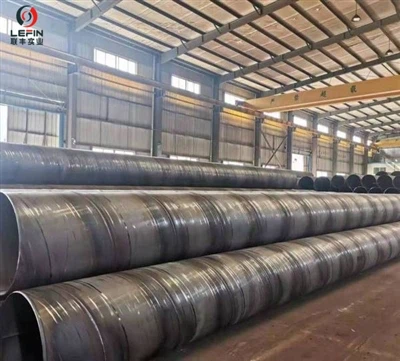
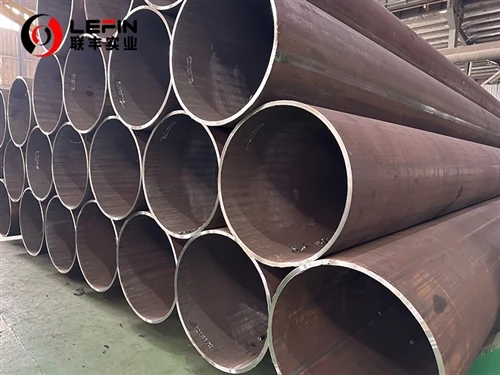
- Steel pipes should be stored in a dry, well-ventilated environment, avoid moisture and direct sunlight, to prevent rust.
2. Ground treatment:
- Ensure that the storage ground is smooth, solid, and free of sharp objects to prevent deformation or damage to the steel pipe.
3. Classified storage:
- Classify and store according to the specifications and materials of the steel pipe for easy management and use.
4. Anti-rolling measures:
- For longer steel pipes, measures should be taken to prevent rolling, such as the use of supports or fixtures.
5. Avoid overloading:
- Ensure that the bearing capacity of the storage rack meets the requirements to avoid damage to the storage rack due to overload.
6. Fire prevention measures:
- The storage area shall be equipped with necessary fire-fighting facilities to prevent fire.
7. Clear identification:
- Steel pipe should have clear identification, including specifications, materials, production date and other information, easy to trace and management.
Precautions for use:
1. Appearance inspection:
- Check the appearance of the steel pipe before use to ensure that there are no cracks, deformation, rust and other defects.
2. Meet the design requirements:
- Ensure that the steel pipe used complies with engineering design and construction requirements, including specifications, wall thickness and material.
3. Correct handling:
- Use appropriate tools and methods when moving steel pipes to avoid damage caused by rough handling.
4. Prevent pollution:
- During use, the steel pipe should be prevented from being contaminated by oil, soil and other pollutants, which may affect the welding performance and service life of the steel pipe.
5. Cleaning before welding:
- The surface of the steel pipe should be cleaned before welding to remove oil, rust and moisture to ensure welding quality.
6. Reasonable welding process:
- Select the appropriate welding process and parameters according to the material and thickness of the steel pipe to avoid the deterioration of the performance of the steel pipe due to improper welding.
7. Regular inspection and maintenance:
- Regularly check the appearance and performance of the steel pipe, and timely carry out necessary maintenance and replacement.

1. Galvanizing method:
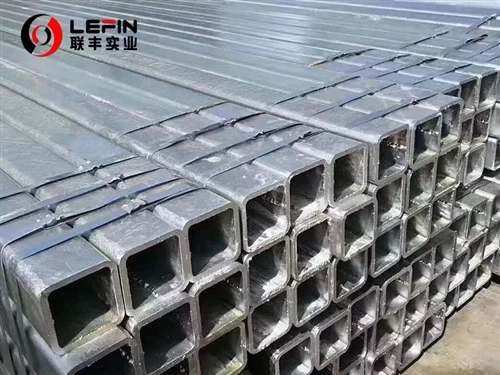
- Galvanizing is a commonly used steel pipe rust prevention method, by dipping the steel pipe into the molten zinc liquid, forming a fixed zinc layer on the surface of the steel pipe, so as to prevent the effect of oxidation and corrosion of the steel pipe. Galvanized steel pipe is suitable for water supply, natural gas, oil and steam pipeline systems, its corrosion resistance is better, and it is not easy to be eroded by pollutants .
2. Spray painting method:
- Spray painting method by spraying a specific chemical coating on the surface of the steel pipe to form a uniform protective layer, so as to prevent oxidation and corrosion. There are many kinds of paint for painting, and the corresponding paint should be selected according to different use environments and requirements.
3. Hot dip molding method:
- Hot dip molding is an environmentally friendly rust prevention method for steel pipes. It is the surface of the steel pipe after oil removal, rust removal and other treatment, and then preheat, and finally immerse it in the melted polymer powder, at high temperature so that the powder attached to the surface of the steel pipe, forming a uniform protective layer.
4. Maintain a dry environment:
The main cause of steel pipe rust is the presence of water and oxygen. Therefore, keeping the environment around the steel pipe dry and avoiding long-term contact with water can effectively prevent rust.
5. Use rust prevention:
- Rust inhibitor can form a protective film on the surface of the steel pipe to prevent water and oxygen from contacting the steel pipe, so as to achieve the purpose of rust prevention.
6. Regular cleaning:
- Regularly clean the dirt and dust on the surface of the steel pipe to prevent these impurities from breeding moisture and causing rust.
7. Control humidity:
- Keeping the humidity of the steel pipe in the appropriate range can reduce the chance of contact with water on the surface of the steel pipe and reduce the risk of rust.
8. Mechanical and chemical rust removal:
- If the steel pipe has been rusted, it can be mechanically rusted, such as using sandpaper, wire brush and other tools to erase the rust layer, or chemical rusting, using chemical solvents or acidic solutions to achieve the effect of rust removal.