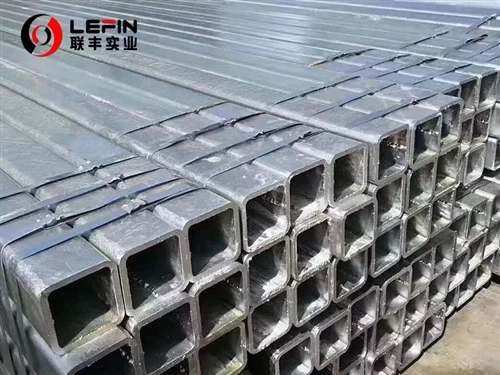
The key to storing galvanized steel pipes lies in controlling humidity, preventing corrosion, avoiding mechanical damage, and ensuring proper stacking to protect the zinc coating and prevent rusting and deformation.
Here is the complete storage plan:
I. Storage Environment Requirements (Core)
- Dry and Well-Airflow: Prefer indoor warehouses, with relative humidity controlled below 60%; for outdoor storage, a rain shelter and waterproof cover must be erected, and items must not be left exposed outdoors for an extended period.
- Away from Corrosive Sources: At least 5 meters away from acids, alkalis, salts, chemical products, fertilizers, de-icing agents, etc.; in coastal/industrial areas, additional protection against salt fog and acidic precipitation is required.
- Ground Isolation: Use wooden pallets or rubber pads to raise 20–30 cm above the ground, ensuring no direct contact with the ground; for sandy or muddy ground, add a waterproof membrane.
- Suitable Temperature Zone: Temperature 10–30℃, avoiding direct sunlight, freezing, and drastic temperature differences.

II. Storage Specifications (Preventing Deformation and Damage)
- Classification stacking: Stack by specifications, wall thickness, and length separately. Mixing is strictly prohibited; for small-diameter thin-walled pipes, it is recommended to store on shelves.
- Height limit: Generally not exceeding 1.5–3 meters (depending on pipe diameter/thickness); use wooden blocks/pad boards to separate layers and ensure uniform force distribution.
- Stacking method: Use the grid pattern or inverted T-shape, leaving ventilation gaps; the pipe openings should face the same direction to avoid scratching the zinc layer.
- Prohibition of heavy pressure: Do not stack heavy objects, do not step on them, and do not mix with sharp or hard objects.

III. Protective Measures (Anti-rust, Anti-damage)
- Short-term storage (≤ 3 months): Seal the pipe opening with plastic plugs or tape; cover the entire pipe with moisture-proof fabric; apply a thin anti-rust oil during rainy seasons/moist seasons.
- Long-term storage (> 6 months): Seal the pipe ends with moisture-proof wax; wrap the entire pipe with vapor-phase anti-rust film (VCI); add desiccants and replace them quarterly.
- Special scenarios:
- Temporary on-site storage: Build a rain shelter and dig drainage ditches; ventilate promptly after rain and avoid covering up.
- Coastal/Shipping: Enhance salt spray protection and shorten inspection intervals.
- Threaded pipes: Protect the exposed threads with grease or anti-rust grease.

IV. Daily Management and Inspection
- First-In-First-Out: Mark the date of entry to prevent long-term accumulation (rainy season: no more than 90 days recommended).
- Regular Inspection: Check humidity, surface, and zinc coating monthly; promptly dry-wipe any white rust; immediately reapply zinc-based repair agent if the zinc coating is damaged.
- Cleaning and Maintenance: Keep the site dry, free of water accumulation, and free of debris; do not use corrosive cleaning agents.
V. Common Issues Handling
- White rust (zinc oxidation): Clean lightly with a dry cloth; for severe cases, lightly sand and then reapply zinc paint.
- Zinc layer scratches/loss: Repair promptly with zinc patching agent or zinc-rich paint to prevent the substrate from rusting.
- Pipe body deformation: Immediately adjust the stacking position to distribute the pressure and avoid further compression.
-