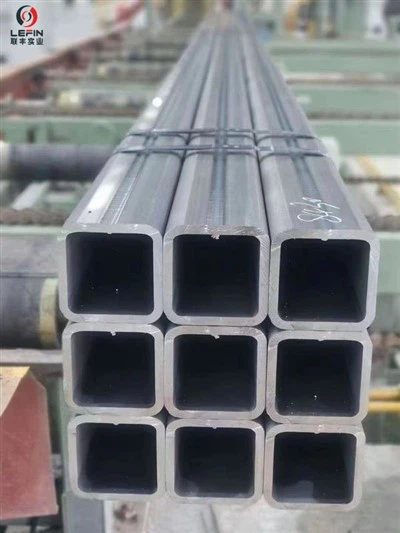
Leakage of zinc coating (where some areas fail to be fully coated with zinc layer and the iron substrate is exposed) is one of the most common defects in the hot-dip galvanizing process.
Essentially, it is because the steel surface is not fully soaked by the zinc liquid, and the zinc layer cannot be continuously attached. From the production process perspective, over 90% of the leakage problems originate from the pre-treatment before the coating process, followed by improper process control in the hot-dip zinc immersion stage, and a few are caused by defects in the raw materials themselves.
I. Causes of Underplating for Each Process
(1) Pre-treatment before plating: The most critical step
The goal of pre-treatment is to obtain a clean and active steel surface. Any remaining contamination will directly hinder the penetration of the zinc solution, making it the primary cause of underplating.
1. Degreasing and Oil Removal Process
The rolling oil, anti-rust grease, and drawing lubricant on the steel pipe surface are common sources of underplating. Especially the oil stains in the inner walls and weld seam gaps are the most difficult to remove.
- Abnormal reasons: Insufficient concentration/temperature of degreasing agent, too short degreasing time, resulting in incomplete saponification and emulsification of the oil; Degreasing solution has been used for a long time, and the oil stains have become saturated and ineffective; No cyclic degreasing was performed for the inner walls, resulting in large-scale residual oil stains on the inner walls.
- Underplating characteristics: Mostly in the form of irregular sheets or dots, with clear boundaries, and completely corresponding to the location of oil stains.
2. Acid pickling rust removal process
It is divided into two types of problems: "Inadequate acid pickling" and "Over-acid pickling with rust residue".
- Inadequate acid pickling: There are still rolled oxide skins remaining on the surface, and the rust in deep rust pits has not been completely removed. The oxide skin does not penetrate the zinc solution, resulting in incomplete plating. This is mostly caused by low acid solution concentration, insufficient temperature, insufficient acid pickling time, or too tight stacking of steel pipes, as well as uneven contact of the acid solution.
- Over-acid pickling with rust residue: Excessive acid pickling will corrode the steel base, causing the surface carbon, silicon and other impurities to precipitate and form a loose "rust residue" layer, which hinders the contact between the zinc solution and the base, resulting in dark spot-like incomplete plating.
3. Water washing process
If the water washing after acid washing is insufficient, the residual acid solution and iron salts will contaminate the subsequent plating solution, causing the steel pipe surface to quickly re-rust and forming point-like or fog-like missed plating when entering the zinc pot. Inadequate inner wall rinsing is a frequent cause of pipe leakage plating.
4. Plating Aid Solvent Process
Plating aid is a crucial link that connects the previous step with the next one. Its function is to remove micro rust, form a protective film to prevent oxidation, and enhance the wettability of the zinc solution.
- Failure of plating aid solution: Imbalance in the ratio of zinc chloride and ammonium chloride, too low concentration, or excessive iron ions (more than 1g/L) will result in the formation of a large amount of iron salt impurities adhering to the surface, hindering the spread of the zinc solution.
- Improper drying: If the drying after plating aid is not thorough, moisture will enter the zinc pot and, upon encountering high-temperature zinc solution, it will instantly vaporize, forming pores and point-like undercoating; if the drying temperature is too high, the plating film will decompose and fail, and the surface will undergo secondary oxidation.
- Excessive stay time after plating aid: If the surface absorbs moisture and re-rusts, re-plating will inevitably result in undercoating.

(II) Hot-dip Galvanizing Process
1. Inconsistency in Zinc Solution Composition and Purity
- Abnormal aluminum content: To enhance the wetting property and the gloss of the coating, 0.05% to 0.15% of aluminum needs to be added to the zinc solution. Insufficient aluminum content will directly result in poor spreading property of the zinc solution and large-scale under-coating.
- Excessive impurities: Excessive iron, lead, etc. in the zinc solution cause a large amount of zinc slag and zinc dust to suspend, adhering to the surface of the steel pipe during hot-dip galvanizing, forming scattered point-like under-coating.
2. Inadequate temperature and time control
- Zinc solution temperature too low (< 430℃): The zinc solution has high viscosity and poor fluidity, making it unable to penetrate into the fine areas such as weld seams and rust pits. The inner wall of the pipe is particularly prone to extensive areas of incomplete plating.
- Insufficient soaking time: If the zinc solution is removed before it has fully covered the entire surface, large areas of incomplete plating will occur on the inner wall of the pipe, weld seams, and other locations.
3. Zinc immersion operation and exhaust problem (specific to pipe materials)
When the steel pipe is immersed in the zinc pot, the angle is incorrect and the exhaust is not smooth. Air will be trapped inside the pipe, forming an "air chamber". The zinc liquid cannot come into contact with the inner wall, resulting in large-area strip/plate-shaped incomplete plating on the inner wall. This is a very typical type of incomplete plating for galvanized pipes. Excessive extraction speed can also cause uneven spreading of the zinc liquid, resulting in thin plating and incomplete plating.

(III) Raw Materials and Defects of Steel Pipe Body
1. Steel Composition
When the silicon content is within the range of 0.08% to 0.15% in the "Sandelin sensitive zone", the iron-zinc reaction becomes abnormal. Not only does the coating become dull and thick, but its wetting property is also reduced, accompanied by incomplete coating and poor adhesion.
2. Surface Defects
The steel pipe has deep rust pits, folds, pores, slag inclusions, and the contents in the gaps are prone to accumulate oil and acid solutions. The pre-treatment cannot completely remove them, and the corresponding positions will inevitably have incomplete coating.
3. Weld Defects
Weld slag, pores, and incomplete weld seams accumulate dirt and contaminants. The areas around the welds are the high-risk areas for incomplete coating.
II. How to Effectively Avoid and Reduce Underplating
For the above process nodes, systematic control can be carried out from the following dimensions:
1. Strictly control the pre-treatment before plating (the most effective method)
- Degreasing stage: Use a combination of alkaline washing and surfactant for degreasing, with a temperature range of 50 to 70℃, matching the corresponding alkalinity and treatment time; Increase the circulation spray degreasing on the inner wall of the pipe, and test the degreasing effect using the "continuous water film method" (the surface water film is intact and does not rupture after water washing is completed, which is considered qualified); Regularly replace the degreasing solution to remove the floating oil on the liquid surface.
- Acid washing stage: Control the concentration of hydrochloric acid at 15% to 20%, operate at room temperature, add corrosion inhibitors to prevent excessive acid washing; The endpoint is to completely remove the rust flakes, avoiding over-time acid washing; Leave sufficient gaps when installing the pipe frame to ensure that the acid solution can fully contact inside and outside; Pre-grind the deep rust areas in advance.
- Water washing stage: Use 2 to 3 levels of reverse water washing, replace the water regularly; Increase high-pressure internal wall flushing to prevent residual acid from being carried into the plating bath.
- Post-plating and drying:
- Control the total salt concentration of the post-plating solution at 20 to 28°, pH 4.0 to 5.5, temperature 60 to 80℃, the ratio of zinc chloride to ammonium chloride is 1:2 to 1:3;
- Regularly purify and remove iron ions (using hydrogen peroxide oxidation and filtration), controlling the iron ions to be within 1g/L;
- The drying temperature is 100 to 150℃, ensuring that the workpiece is completely dry, while avoiding over-drying and decomposition of the post-plating film;
- Enter the zinc pot as soon as possible after post-plating, with a stay time not exceeding 2 hours to prevent re-rusting.

2. Optimization of hot-dip galvanizing process and operation
- Zinc solution management: Maintain the aluminum content within the range of 0.05% to 0.12%, and regularly test the composition; regularly remove zinc ash and slag, and control the iron content to be less than 0.05%, to reduce interference from impurities.
- Parameter matching: The temperature of the regular zinc solution is controlled at 435 to 455℃. The soaking time is adjusted according to the pipe diameter and wall thickness (usually 30 to 90 seconds) to ensure thorough soaking.
- Standardized hot-dip galvanizing operation: Use an inclined method to slowly pour the solution into the pot, ensuring that the air inside the pipe is completely expelled and avoiding the formation of an air pocket; for large-diameter pipes, an auxiliary exhaust structure can be added at the pipe end; slowly lift the pot at a uniform speed, allowing the excess zinc liquid to naturally drip and spread.
3. Quality Control of Raw Materials and Tube Manufacturing
- Preferentially select steel pipes with appropriate silicon and phosphorus content, avoiding the sensitive areas of Sandlin; if using high-silicon steel, adjust the zinc-aluminum content of the molten zinc and add nickel elements to adapt to the process.
- During factory inspection, remove pipes with deep rust, folds, or severe defects on the surface; ensure that the welding process has smooth welds without slag or pores, and reduce the possibility of dirt accumulation in the gaps.
4. Process Quality Monitoring and Remediation
- Conduct first-piece inspection. For each batch, conduct a comprehensive inspection of the inner and outer coating layers. If any undercoating is found, immediately review the process and adjust the parameters.
- Minor and small-area undercoating can be repaired by using hot zinc spraying or cold galvanizing coatings; for large-area undercoating, rework is required. Reacid wash, apply auxiliary coating, and then conduct secondary galvanizing.