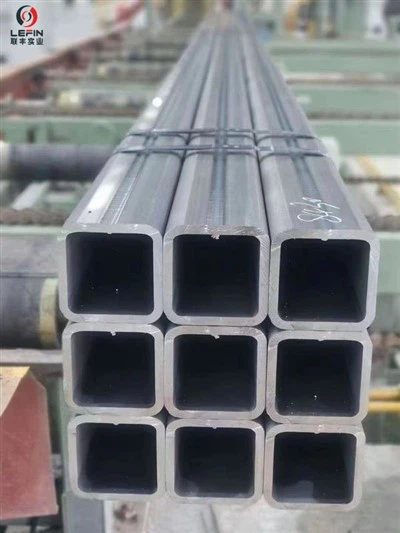
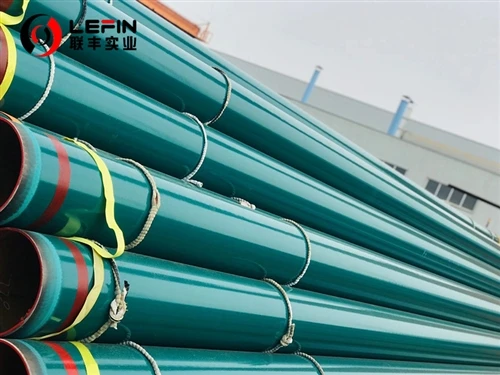
brief introduction
Hot treatment, commonly known as heat treatment in the steel industry, refers to the process of heating and cooling steel pipes under controlled conditions to enhance their mechanical properties. This process can improve hardness, strength, toughness, and stress relief, making the pipes more suitable for various applications.
main Purpose
Heat treatment(Hot treatment) is used to enhance the mechanical properties of steel pipes, such as hardness, strength, toughness, and wear resistance. It also helps to relieve internal stresses and improve machinability.
main Types
Annealing:
- Process: Steel pipes are heated to a specific temperature and then slowly cooled, usually in a furnace. This process softens the steel, making it more ductile and easier to work with.
- Benefits: Reduces hardness, increases ductility, relieves internal stresses, and improves machinability.
Quenching and Tempering:
- Process: Quenching involves heating the steel to a high temperature and then rapidly cooling it, typically in water, oil, or air. This process hardens the steel. Tempering follows quenching, where the steel is reheated to a lower temperature to reduce brittleness.
- Benefits: Increases hardness and strength while maintaining toughness. This combination of processes is often used to achieve a balance between hardness and ductility.
Carburizing:
- Process: This involves heating the steel in a carbon-rich environment to increase the carbon content on the surface. The surface layer becomes harder after quenching.
- Benefits: Provides a hard, wear-resistant surface while maintaining a tough, ductile core. It is ideal for parts that require high surface hardness and a strong core.
Nitriding:
- Process: Nitrogen is introduced into the surface of the steel at a high temperature, forming a hard, wear-resistant layer.
- Benefits: Enhances surface hardness, wear resistance, and corrosion resistance without significant deformation.
Conclusion
Hot treatment (heat treatment) is essential for improving the mechanical properties of steel pipes. By selecting the appropriate heat treatment process, manufacturers can tailor the properties of steel pipes to meet specific requirements, ensuring optimal performance in their intended applications.