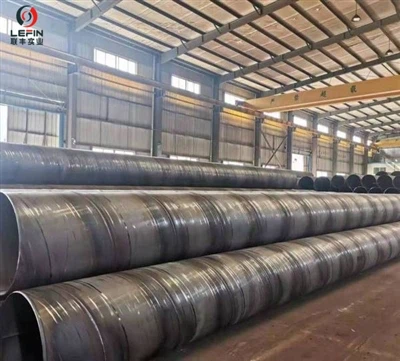
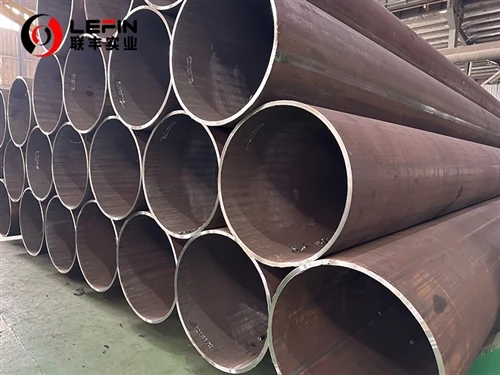
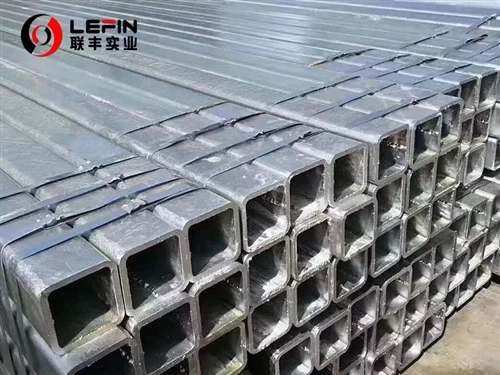
Basic information
Cold forming refers to the plastic deformation of steel under room temperature conditions through mechanical processes such as rolling, bending, and drawing. This method is particularly suitable for producing high-precision and high-strength thin-walled pipes.
Common standard and grade:
ASTM A500: GR.A, GR.B, GR.C
EN10129: S235JRH, S355J0H, S355J2H
Processes
- Cold Rolling: This involves passing the steel material through a series of rollers to reduce its thickness and diameter while achieving a smooth surface finish. Cold rolling is highly effective in producing seamless pipes with precise dimensions and uniform wall thickness.
- Cold Drawing: This process uses a die to pull the steel material through, further reducing its diameter and improving its surface finish. Cold drawing is known for its ability to enhance the mechanical properties of the material.
- Cold Bending: This technique involves bending the steel pipe at room temperature using specialized equipment. It is suitable for creating pipes with various bend radii and angles. Cold bending is particularly advantageous for producing pipes with high strength and dimensional accuracy.
Applications
Cold-formed steel pipes are widely used in various industries, including:
- Construction: For structural frames, scaffolding, and architectural components.
- Automotive: In exhaust systems and structural components.
- Oil and Gas: For pipelines and drilling equipment.
- Agriculture: In irrigation systems, drainage systems, and water conservation projects.
Advantages
High Precision: Cold forming can achieve tight dimensional tolerances and uniform wall thickness, resulting in high-quality pipes.
Enhanced Mechanical Properties: The process improves the strength, hardness, and toughness of the steel pipes.
Energy Efficiency: Since no heating is required, cold forming consumes less energy and is more environmentally friendly.
Cost-Effectiveness: Reduced material waste and energy consumption lead to lower production costs.
Environmental Sustainability: Reduced energy use and waste align with sustainable manufacturing practices.
In summary, Cold forming is a highly efficient and sustainable method for manufacturing steel pipes. It offers precision, versatility, and enhanced mechanical properties, making it a popular choice across various industries. The combination of advanced manufacturing techniques and international standards ensures high-quality products for diverse applications.