Blow plating
Definition:
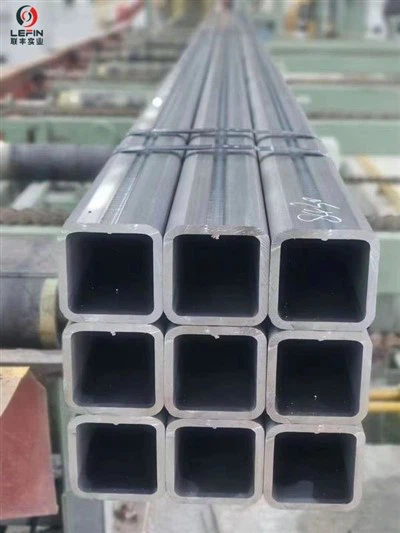
Blow plating refers to the use of an air knife or air pressure on the material to be galvanized to blow thin coating to the desired target coating thickness. The purpose of this process is to uniform the galvanized surface and reduce the thickness of the galvanized surface, and blow galvanizing can accelerate the formation of hot dip zinc zinc zinc iron alloy layer..

Apply
Efficiently Unleash Cross-Media Information Without Cross-Media Value.
- Surface anti-corrosion treatment of metal products:
Blow galvanizing is widely used in the surface anti-corrosion treatment of metal products, such as pipes, steel plates, iron products, etc. Blow galvanizing can form uniform and dense coating, improve the corrosion resistance of metal products and extend the service life.
- Iron products of special shape:
- Blow plating process is suitable for some small and complex iron products, such as screws, nuts, bolts, etc. The blow plating process can better cover the surface of these small parts and ensure the uniformity of the coating.
- Construction, automobile manufacturing, power industry:
- Blow galvanizing and hot dip galvanizing are two commonly used galvanizing processes, which are of great significance in construction, automobile manufacturing, power industry and other fields.

Hot Dip Galvanizing
Definition
Hot Dip Galvanizing is a metal preservative process that involves dipping a steel material into a molten zinc solution to form a zinc coating on its surface. This zinc coating can effectively prevent the steel from being eroded by media such as air, water and soil, thereby extending the service life of the product. The hot dip galvanizing layer is usually thick and can provide excellent corrosion resistance, suitable for a variety of environmental conditions.
Application
1. Industrial field:
Hot-dip galvanized products are widely used in chemical equipment, petroleum processing, ocean exploration, metal structure, power transmission, shipbuilding and other fields.
2. Agriculture:
Hot-dip galvanized products are also widely used in agricultural facilities such as sprinkler irrigation and greenhouse.
3. Construction field:
Hot dip galvanizing is used in water and gas transmission, wire bushing, scaffolding, houses and other building structures.
4. Bridges and Transportation:
Hot-dip galvanized products are also widely used in bridge construction and transportation tool manufacturing, because of their beautiful appearance and good corrosion resistance.

Common Problem
-
What is the main difference between blow plating and hot dip galvanizing?
1. Process principle:
- Blow plating: By spraying, the solution containing zinc is uniformly sprayed on the surface of iron products to form a metal zinc layer by spraying.
- Hot dip galvanizing: the iron products are immersed in high temperature zinc solution, and the zinc layer is formed on the iron surface by hot dip plating. It is a relatively traditional process, the zinc layer distribution is not uniform, and the zinc waste is great.
2. Product features:
- Blow plating: uniform coating, dense and high gloss. The thickness of the coating is generally thin, generally between 3-15μm, and the thin coating makes the volume change of the galvanized parts small and has good geometric size retention.
- Hot dip galvanizing: the coating thickness is large, generally between 45-200μm, and the zinc layer thickness can reach up to 350 microns or more, which is suitable for large steel products, such as thick wall square tubes and spiral tubes. The large thickness of the coating provides better corrosion protection for iron products. The zinc layer of hot plating process is more tightly bound to the iron matrix and has higher fastness.
3. Scope of application:
- Blow plating: suitable for some small and complex iron products, such as screws, nuts, bolts, etc. The blow plating process can better cover the surface of these small parts and ensure the uniformity of the coating.
- Hot dip galvanizing: suitable for large and rough surface iron products, such as steel pipes, steel plates, etc. The coating thickness of the hot plating process is larger, which can provide better corrosion resistance for these large iron products.
The zinc layer of hot-dip galvanized steel pipe is thicker and the zinc content is larger than that of blow plated steel pipe. In the production of steel pipes, relatively long steel pipes are generally selected hot-dip galvanized. In addition, steel pipes with large outer diameters are also selected for hot-dip galvanized processing.
4. Cost effectiveness:
- Blow plating: The process cost is low, no pretreatment and follow-up treatment is required, saving a lot of costs. The surface of the blown plated product is smooth and generally does not require secondary processing, which further reduces the cost.
Hot dip galvanizing: The cost is relatively high, mainly because hot plating requires pretreatment and follow-up treatment, which requires more energy and materials.
5. Production efficiency:
- Blow plating: generally semi-automatic or fully automatic, saving manpower and improving production efficiency.
- Hanging plating: Most of the work is manual, and the production efficiency is relatively low.
These differences make blow plating and hot dip galvanizing suitable for different application scenarios, choosing the right galvanizing process can provide better corrosion protection and reduce costs.