Hey there! As a scaffolding pipes supplier, I've seen my fair share of questions about the different types of scaffolding materials out there. One of the most common queries I get is about the difference between steel and aluminum scaffolding pipes. So, let's dive right in and break it down.
Weight and Portability
First off, let's talk about weight. Aluminum scaffolding pipes are a lot lighter than steel ones. This is a huge advantage when it comes to transportation and setup. You don't need heavy - duty equipment to move them around. For smaller projects or jobsites where mobility is key, aluminum is the way to go. You can easily carry the pieces by hand or load them into a regular work van without much hassle.
On the flip side, steel scaffolding pipes are much heavier. While this might seem like a drawback, it actually provides some benefits in certain situations. The extra weight means they are more stable. For larger, more substantial construction projects that need a lot of support and that will be up for a long time, the stability of steel can't be beaten. If you're building a tall scaffold for a multi - story building, the weight of the steel helps keep the whole structure firmly in place.
Strength and Durability
When it comes to strength, steel is the clear winner. Steel has a higher tensile strength, which means it can withstand more stress and weight without bending or breaking. This makes it ideal for heavy - load applications. In industrial construction sites where there are large machinery and heavy equipment being used on the scaffolds, steel is the preferred choice.
Aluminum, though not as strong as steel, still has decent strength. It's corrosion - resistant, which is a big plus. In environments where the scaffolding will be exposed to moisture or chemicals, like near the ocean or in a chemical plant, aluminum won't rust like steel can. However, over time and with heavy use, aluminum can start to show signs of wear and tear, especially if it's not properly maintained.
Cost
Cost is always a major factor in any construction project. Generally, aluminum scaffolding pipes are more expensive than steel ones. The cost of raw materials and the manufacturing process for aluminum are higher. But when you consider the long - term costs, the picture can change.
Since steel can rust, there may be additional costs for maintenance, such as painting or coating to prevent corrosion. And if a steel scaffold does rust, it might need to be replaced sooner. Aluminum, on the other hand, has lower maintenance costs because of its corrosion - resistant properties. So, while the upfront cost of aluminum is higher, it could save you money in the long run, depending on the project and its lifespan.
Assembly and Disassembly
Assembly of aluminum scaffolding pipes is usually quicker and easier. The lighter weight makes it simpler to handle the pieces, and the joints are often designed for easy connection. This can lead to reduced labor costs, as your crew can set up and take down the scaffold in less time.
Steel scaffolds, because of their weight, can be more challenging to assemble. Special tools and equipment are often required to lift and position the pipes correctly. However, once assembled, steel scaffolds are very sturdy and may not need as much adjustment as aluminum ones.
Applications
The application of the scaffolding also plays a big role in choosing between steel and aluminum. For residential construction, like painting a house or doing some minor repairs, aluminum scaffolding is great. It's easy to set up in the yard, and you can move it around as needed.
In commercial and industrial construction, steel scaffolding is more commonly used. High - rise buildings, bridges, and large industrial complexes require the strength and stability that steel provides.
Compatibility with Accessories
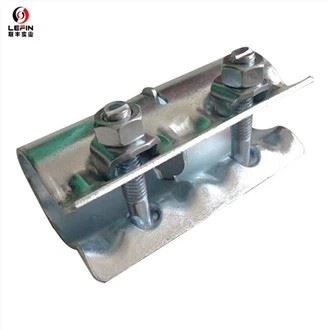
Both steel and aluminum scaffolding pipes can be used with a variety of accessories. However, you need to be careful when mixing them. For example, if you use a steel EN74 Double Coupler with an aluminum pipe, there could be a risk of galvanic corrosion. This happens when two different metals come into contact in the presence of an electrolyte (like water). To avoid this, it's best to use accessories made from the same material as the scaffolding pipes.
We offer a wide range of Scaffolding Round Tube in both steel and aluminum. Our MALAYSIA SCAFFOLDING PIPE is of high quality and can meet the needs of different projects.
If you're in the market for scaffolding pipes, whether it's steel or aluminum, getting the right material for your project is crucial. You need to think about the weight, strength, cost, and the specific requirements of your job.


If you've got any questions or are looking to make a purchase, don't hesitate to reach out. We're here to help you choose the best scaffolding pipes for your project and ensure a smooth construction process. Feel free to contact us for more information and let's start a great business relationship!
References
- Construction Materials Handbook: Steel and Aluminum.
- Best Practices for Scaffolding Set - up and Use.