Can BRC Couplers be used in aerospace applications?
As a supplier of BRC Couplers, I've often encountered inquiries about the potential of our products in aerospace applications. This blog aims to explore the feasibility and considerations surrounding the use of BRC Couplers in the demanding aerospace industry.
An Overview of BRC Couplers
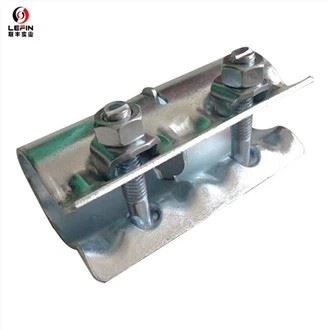
BRC Couplers are known for their high - strength and reliable performance in various industrial settings. They are designed to connect different components securely, ensuring stability and durability. Our company's BRC Couplers are crafted with precision, using top - grade materials that can withstand high stress and harsh environmental conditions. These couplers are available in different sizes and configurations to meet the diverse needs of our customers.
Requirements in Aerospace Applications
The aerospace industry has extremely stringent requirements for all components used in aircraft and spacecraft. Safety is the top priority, and every part must meet strict quality and performance standards. Components in aerospace need to be lightweight to reduce the overall weight of the vehicle and improve fuel efficiency. At the same time, they must be able to operate in a wide range of temperatures, from the extreme cold of outer space to the high temperatures generated during re - entry into the Earth's atmosphere. Additionally, they need to resist corrosion, vibration, and shock.
Feasibility of BRC Couplers in Aerospace
-
Strength and Durability
One of the key advantages of BRC Couplers is their high strength. They are engineered to handle significant loads, which is crucial for aerospace applications where components are subjected to high - stress situations, such as take - off and landing. Our couplers are made from high - quality alloys that can provide the necessary strength while maintaining a relatively low weight. This combination of strength and lightness is highly desirable in the aerospace field. -
Material Compatibility
In aerospace, materials need to be carefully selected to ensure compatibility with other components and the surrounding environment. Our BRC Couplers can be made from materials with excellent corrosion resistance, such as stainless steel. This corrosion resistance is vital in aerospace, as exposure to moisture, chemicals, and extreme temperatures can cause components to deteriorate over time.

-
Temperature Resistance
The ability to withstand extreme temperatures is a must - have for aerospace components. BRC Couplers can be designed and manufactured to operate effectively in a wide temperature range. Special heat - treatment processes can be applied to the materials to enhance their thermal stability and prevent them from losing their mechanical properties at high or low temperatures.
Limitations and Challenges
-
Certification and Standards
The aerospace industry is heavily regulated, and all components must meet a series of strict certifications and standards. Obtaining the necessary certifications for BRC Couplers to be used in aerospace applications can be a time - consuming and costly process. Our company would need to invest significant resources in testing and documentation to ensure that our couplers adhere to aerospace - specific standards. -
Design Adaptation
While our BRC Couplers offer good general performance, they may need to be redesigned to better suit aerospace applications. The unique design requirements of aerospace, such as reduced size and specific connection geometries, may necessitate modifications to our existing coupler designs. This process would require close cooperation with aerospace engineers and designers.
Related Product Links for More Context
If you're interested in the broader applications of similar coupling products, you might want to explore our Scaffolding Bone Joint, Australia Pressed Board Retaining Coupler, and Girder Clamping. These products showcase our expertise in coupling technology across different industries.
Conclusion
In conclusion, while there are challenges in using BRC Couplers in aerospace applications, the potential is significant. Our BRC Couplers offer several desirable qualities such as strength, durability, and the ability to be customized in terms of material and design. With the right investment in certification, testing, and design adaptation, our BRC Couplers can become a viable option for aerospace engineering.
If you are an aerospace company looking for reliable coupling solutions, or if you have any questions about the suitability of our BRC Couplers for your specific aerospace projects, we encourage you to contact us for a detailed discussion. Our team of experts is ready to work with you to determine the best coupling options and provide professional advice. Let's explore the possibilities of using BRC Couplers in the exciting field of aerospace together!
References
- White, R. A. (2018). Materials and Design for Aerospace Applications. Elsevier.
- Davis, J. R. (2019). Handbook of Aerospace Alloys. ASM International.