Hey there! As a supplier of EN39 scaffolding pipes, I've seen firsthand how crucial it is to ensure proper alignment during installation. Misaligned scaffolding can lead to all sorts of problems, from instability to safety hazards. So, in this blog, I'm gonna share some tips on how to make sure your EN39 scaffolding pipes are installed in perfect alignment.
Pre - installation Checks
Before you even start putting up the scaffolding, you need to do some groundwork. First off, check the ground where the scaffolding will be set up. It should be level and stable. Uneven ground can cause the pipes to tilt and misalign right from the start. You can use a spirit level to check the flatness of the surface. If the ground is a bit uneven, you might need to use adjustable base plates to compensate for the differences.
Next, inspect all the EN39 scaffolding pipes you're going to use. Look for any signs of damage, like dents, bends, or cracks. A damaged pipe can throw off the alignment and compromise the whole structure. If you find any damaged pipes, set them aside and don't use them. You can always contact us for replacements. We offer high - quality Saudi Arabia Galvanized Scaffolding Pipe and Philippines Manila GI Scaffolding Pipe 3.2mm that meet all the necessary standards.
Measuring and Marking
Accurate measurement is key to ensuring alignment. Start by measuring the area where the scaffolding will be installed. Mark the positions for the vertical standards (upright pipes) on the ground. You can use chalk or a marker to make clear markings. Make sure the distances between the standards are consistent. Usually, the spacing is determined by the load the scaffolding will bear and the design requirements.
When it comes to the horizontal ledgers (cross - pipes), measure and mark the height at which they will be attached to the standards. Use a measuring tape and a level to ensure that the marks are at the same height all around the scaffolding. This will help keep the whole structure level and aligned.
Installation Process
Now, let's talk about the actual installation. When you're putting up the vertical standards, make sure they are perfectly plumb. You can use a plumb bob or a laser level to check this. A plumb bob is a simple tool that uses gravity to show if a pipe is straight up and down. Just hang it from the top of the pipe and see if it aligns with the mark on the ground.
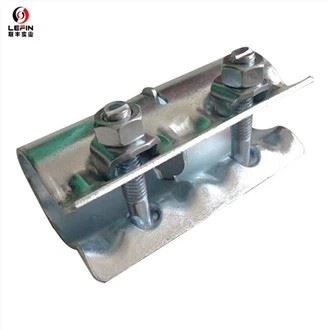
Once the standards are in place, start attaching the horizontal ledgers. Use the right type of couplers for a secure connection. There are different types of couplers, like right - angle couplers for joining ledgers to standards at 90 - degree angles and swivel couplers for more flexible connections. Make sure the couplers are tightened properly. Loose couplers can cause the pipes to shift and misalign.
As you build up the scaffolding, layer by layer, keep checking the alignment. Use a spirit level on both the horizontal and vertical pipes regularly. If you notice any misalignment, stop and correct it right away. It's much easier to fix a small misalignment at an early stage than to try and correct a big problem later on.
Using Alignment Aids
There are some handy alignment aids that can make your life easier. For example, there are alignment brackets that you can attach to the pipes. These brackets help keep the pipes in the right position and can be adjusted if needed. Laser alignment tools are also great. They can project a straight line across the scaffolding, making it easy to see if the pipes are in line.
Training and Experience
Having trained and experienced workers is super important. They know the proper techniques for installing scaffolding and can spot alignment issues quickly. If your team isn't very experienced, consider providing some training. There are many resources available online that can teach the basics of scaffolding installation and alignment.
Quality of Materials
The quality of the EN39 scaffolding pipes also plays a big role in alignment. High - quality pipes are more likely to be straight and true, which makes it easier to install them in alignment. We supply JIS G3444 Scaffolding Pipe and other types of scaffolding pipes that are made to strict quality standards. Our pipes are durable and have consistent dimensions, which helps with the alignment process.


Periodic Inspections
Even after the scaffolding is fully installed, don't just forget about it. Conduct periodic inspections to make sure the alignment is still good. Things like strong winds, heavy loads, or vibrations can cause the pipes to shift over time. Check the couplers for tightness and the pipes for any signs of movement. If you find any issues, take immediate action to correct them.
Conclusion
Ensuring the alignment of EN39 scaffolding pipes during installation is a multi - step process that requires careful planning, accurate measurement, and proper installation techniques. By following the tips I've shared in this blog, you can minimize the risk of misalignment and create a safe and stable scaffolding structure.
If you're in the market for high - quality EN39 scaffolding pipes or any other types of scaffolding materials, don't hesitate to reach out. We're here to provide you with the best products and support. Whether you need Saudi Arabia Galvanized Scaffolding Pipe or Philippines Manila GI Scaffolding Pipe 3.2mm, we've got you covered. Contact us today to discuss your requirements and start your next project with confidence.
References
- Construction Safety Manuals: Various manuals on scaffolding installation and safety, which provide guidelines on alignment and other installation aspects.
- Industry standards for EN39 scaffolding pipes, which specify the requirements for pipe quality and installation.