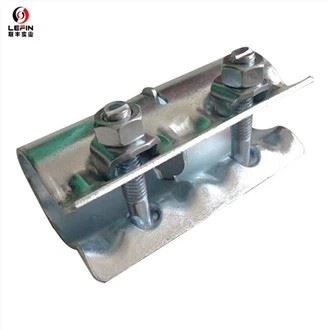
Hey there! As a supplier of scaffold planks, I've seen my fair share of issues with these crucial construction components. Scaffold planks are super important for providing a stable and safe working surface at construction sites. But sometimes, they come with some common defects that can pose risks. In this blog, I'm gonna dive into those common defects and talk about how they can impact your construction projects.
1. Warping and Bending
One of the most frequent problems I've noticed in scaffold planks is warping and bending. This can happen for several reasons. For wooden planks, it's often due to exposure to moisture. Wood is a natural material, and when it gets wet, it can absorb water. Over time, this absorption causes the wood fibers to expand unevenly, leading to warping.
For metal planks, bending can occur because of excessive loads. If workers or heavy equipment are constantly moving on the planks and the load exceeds their capacity, the planks can start to bend. This not only makes the surface uneven but also significantly reduces the plank's ability to support weight safely.
Let's say you're using a Pre Galvanized Scaffold Metal Planks. These are great because of the pre - galvanized coating that protects against rust. But if they're overloaded, even the sturdiest metal planks can start to show signs of bending. And once a plank is bent, it's no longer as reliable, and you might need to replace it to avoid any accidents.
2. Cracks and Splits
Cracks and splits are another major headache. In wooden planks, these can develop due to age, improper storage, or rough handling. When a plank is stored outdoors without proper protection, it's exposed to the elements. Extreme temperature changes and moisture can cause the wood to dry out and crack.
Metal planks can also develop cracks, although the causes are different. Fatigue cracking is a common issue. When metal planks are repeatedly loaded and unloaded over time, stress accumulates in certain areas. Eventually, this stress can lead to the formation of cracks.
A Steel Scaffold Board is a popular choice for construction sites because of its strength. However, if it's used in a high - traffic area where there's a lot of movement of heavy equipment, the risk of fatigue cracking increases. And a cracked plank is a ticking time bomb. It can break suddenly under load, putting the workers at risk.
3. Surface Damage
The surface of the scaffold planks is crucial for providing traction. If the surface is damaged, it can be extremely dangerous. For wooden planks, wear and tear from constant use can smooth out the natural texture of the wood. This reduces the friction between the worker's boots and the plank, increasing the chances of slips and falls.
In metal planks, surface damage can come in the form of rust or dents. Rust not only weakens the metal but also creates a slippery surface. Dents can make the surface uneven, which can cause workers to trip.
Take a Scaffold Metal Deck Plank for example. These are designed with a textured surface for better grip. But if the surface gets damaged, say from a heavy object falling on it, that grip is compromised. And in a construction environment where workers are often carrying tools and materials, a lack of proper traction can lead to serious accidents.
4. Inadequate Installation
Sometimes, the problem isn't with the planks themselves but with how they're installed. If the planks aren't properly secured to the scaffold structure, they can shift or move. This is extremely dangerous as it can cause workers to lose their balance.
For example, if the brackets or supports that hold the planks in place are loose or not installed correctly, the planks can become unstable. And even if the planks are in perfect condition, a poor installation can render them useless and dangerous.
5. Incorrect Material Selection
Choosing the wrong type of scaffold plank for a particular job can also lead to problems. Different construction projects have different requirements. For example, a project that involves working in a wet environment will need planks that are highly resistant to moisture. If wooden planks are used in such a situation without proper treatment, they'll quickly start to warp and rot.

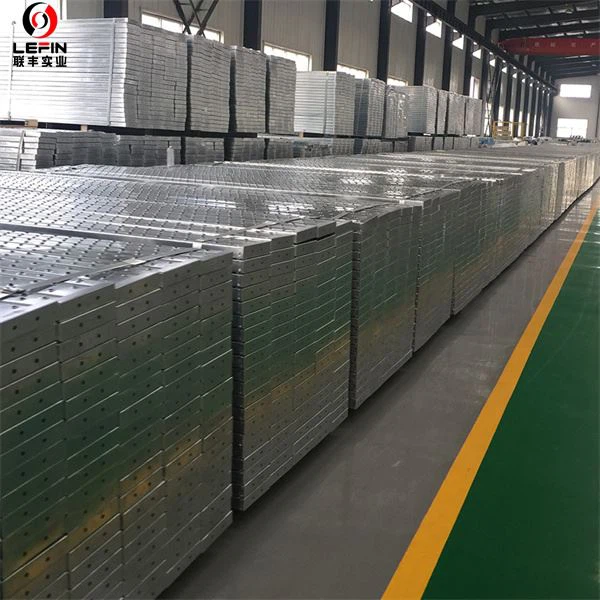
Similarly, if a project requires planks to support very heavy loads, using planks with insufficient load - bearing capacity is a recipe for disaster. It's essential to select the right type of plank based on factors like the environment, the expected load, and the frequency of use.
The Impact of These Defects
These common defects in scaffold planks can have serious consequences. From a safety perspective, they increase the risk of accidents at the construction site. Slips, trips, and falls are some of the most common accidents that can occur due to defective planks. These accidents can result in injuries, ranging from minor cuts and bruises to more serious fractures or head injuries.
From a cost perspective, defective planks can also be a burden. If a plank fails during a project, it needs to be replaced immediately. This not only incurs the cost of the new plank but also the cost of labor to remove the old one and install the new one. Additionally, if an accident occurs due to a defective plank, there can be legal and insurance costs associated with it.
How to Avoid These Defects
As a supplier, I always recommend a few things to avoid these common defects. First, proper storage is key. Whether it's wooden or metal planks, they should be stored in a dry and protected area. For wooden planks, using a moisture - resistant coating can help prevent warping and cracking.
Regular inspections are also crucial. Workers should check the planks before each use for any signs of damage. If any defects are found, the planks should be removed from service immediately.
When it comes to installation, make sure to follow the manufacturer's guidelines. Use the right tools and techniques to ensure that the planks are properly secured to the scaffold structure.
Finally, choose the right planks for the job. Consider the environment, the load, and other factors before making a decision. If you're not sure which type of plank is best for your project, don't hesitate to reach out for advice.
Conclusion
In conclusion, being aware of the common defects in scaffold planks is essential for anyone involved in the construction industry. Whether you're a contractor, a worker, or a project manager, understanding these issues can help you take the necessary steps to ensure the safety of your team and the success of your project.
As a scaffold planks supplier, I'm committed to providing high - quality products and helping you make the right choices. If you're in the market for scaffold planks or have any questions about our products, feel free to get in touch. We can have a chat and figure out the best solution for your specific needs. Let's work together to make your construction projects safer and more efficient.
References
- Construction Safety Manuals
- Industry - standard guidelines for scaffold planks
- Previous experiences and case studies from construction projects