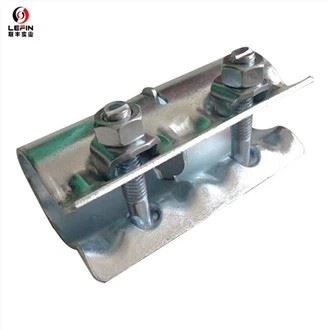
Using a scaffold is a common practice in construction and various industrial projects. As a scaffold supplier, I understand the critical importance of safety when it comes to scaffold usage. In this blog post, I will delve into the safety requirements for using a scaffold, ensuring that all users can operate these structures with confidence and minimize the risk of accidents.
1. Scaffold Design and Installation
The first step in ensuring scaffold safety is proper design and installation. A scaffold must be designed by a qualified engineer to withstand the intended loads. This includes the weight of workers, tools, materials, and any additional forces such as wind or vibration. The design should also consider the type of construction work being performed and the environmental conditions at the site.
When it comes to installation, only trained and experienced personnel should be involved. They must follow the manufacturer's instructions and relevant industry standards. All components, such as Steel Shoring Jack, 48.3mm Scaffolding Pipe, and Scaffold Galvanized Pipe, should be inspected for damage or defects before installation. Any damaged parts should be replaced immediately.
The scaffold should be erected on a firm and level foundation. If the ground is uneven or soft, appropriate measures such as using base plates or mud sills should be taken to distribute the load evenly. The scaffold should also be properly braced to prevent it from tipping or collapsing.
2. Training and Certification
All workers who will be using the scaffold must receive proper training. This training should cover topics such as scaffold design, installation, inspection, use, and dismantling. Workers should also be trained on how to identify potential hazards and how to take appropriate safety measures.
In addition to general training, workers should also be certified to use specific types of scaffolds. For example, if a worker will be using a mobile scaffold, they should have a certification that demonstrates their competence in operating it safely. Certification programs are usually offered by recognized organizations and involve both theoretical and practical assessments.
3. Regular Inspections
Regular inspections are essential to ensure the continued safety of a scaffold. Before each use, a visual inspection should be conducted by a competent person. This inspection should check for any signs of damage, such as cracks, bends, or loose connections. The inspection should also verify that all safety features, such as guardrails and toe boards, are in place and functioning properly.
In addition to daily inspections, a more thorough inspection should be conducted at regular intervals, such as weekly or monthly. This inspection should be performed by a qualified engineer or other competent person. They will examine the scaffold structure in detail, including the foundation, bracing, and connections. Any deficiencies found during the inspection should be corrected immediately.
4. Safety Features
Scaffolds should be equipped with a variety of safety features to protect workers. One of the most important safety features is guardrails. Guardrails should be installed on all open sides and ends of the scaffold platform to prevent workers from falling. The height of the guardrails should be at least 42 inches (1.07 meters) above the platform surface.
Toe boards are another important safety feature. Toe boards should be installed along the edges of the scaffold platform to prevent tools, materials, and other objects from falling off. The height of the toe boards should be at least 4 inches (10 centimeters).
Other safety features may include fall arrest systems, such as safety nets or personal fall arrest devices. Fall arrest systems should be used when workers are at risk of falling more than 6 feet (1.8 meters). Workers should be trained on how to use these systems properly.
5. Load Capacity
It is crucial to understand and respect the load capacity of a scaffold. Overloading a scaffold can cause it to fail, leading to serious accidents. The load capacity of a scaffold is determined by its design and the materials used. It should be clearly marked on the scaffold or in the manufacturer's instructions.
Workers should be aware of the load capacity and should not exceed it. They should also distribute the load evenly across the scaffold platform. Tools and materials should be stored in a safe manner to prevent them from shifting and causing an imbalance.
6. Environmental Considerations
The environment in which a scaffold is used can also affect its safety. For example, strong winds, heavy rain, or snow can pose a risk to the stability of the scaffold. In adverse weather conditions, the scaffold should be inspected more frequently, and appropriate measures should be taken to secure it.
If the scaffold is located near power lines, workers should be aware of the potential electrical hazards. They should maintain a safe distance from the power lines and follow all relevant safety regulations.
7. Maintenance and Repair
Regular maintenance and repair are necessary to keep a scaffold in safe working condition. Any damaged or worn-out components should be replaced immediately. The scaffold should also be cleaned regularly to remove dirt, debris, and other contaminants that could affect its performance.
When performing maintenance or repair work on a scaffold, workers should follow all safety procedures. They should be trained on how to use the necessary tools and equipment, and they should wear appropriate personal protective equipment.


8. Emergency Preparedness
Despite all the safety measures in place, accidents can still happen. It is important to have an emergency preparedness plan in place. This plan should include procedures for evacuating the scaffold in case of an emergency, such as a fire or a collapse.
Workers should be trained on the emergency preparedness plan and should know what to do in case of an emergency. First aid kits and other emergency equipment should be readily available on or near the scaffold.
Conclusion
In conclusion, using a scaffold safely requires careful attention to design, installation, training, inspection, and maintenance. By following the safety requirements outlined in this blog post, workers can minimize the risk of accidents and ensure a safe working environment.
As a scaffold supplier, I am committed to providing high-quality scaffold products and ensuring that our customers have the information and support they need to use them safely. If you are interested in purchasing scaffolds or have any questions about scaffold safety, please contact us for more information. We look forward to the opportunity to discuss your needs and assist you in your projects.
References
- Occupational Safety and Health Administration (OSHA). Scaffolding standards.
- American National Standards Institute (ANSI). Scaffolding safety standards.
- European Committee for Standardization (CEN). Scaffolding safety regulations in Europe.