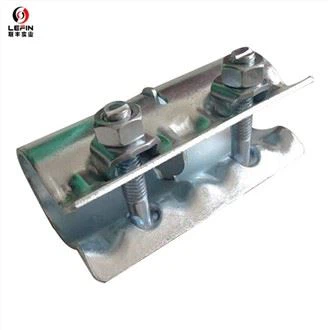
As a supplier of scaffolding couplers, one question that often comes up in discussions with clients is whether scaffolding couplers are fire-resistant. This is a crucial inquiry, especially in the construction industry where safety is of utmost importance. In this blog post, we'll delve into the topic of fire resistance in scaffolding couplers, exploring the materials used, industry standards, and practical considerations.
Understanding Scaffolding Couplers
Scaffolding couplers are essential components in the construction of scaffolding systems. They are used to connect tubes and pipes, providing stability and support to the entire structure. There are various types of scaffolding couplers available, each designed for specific applications. For instance, the EN BS Drop Forged Scaffolding Coupler is a popular choice known for its strength and durability. It is drop-forged, which means it is formed by hammering heated metal into a die, resulting in a dense and robust structure.
Another type is the Construction H20 Beam Flange Clamp, which is specifically designed for use with H20 beams. These clamps provide a secure connection between the beam and the scaffolding tubes, ensuring the stability of the structure. The Grider Coupler 48.3mm is also commonly used in scaffolding construction, particularly for connecting horizontal and vertical tubes.
Materials and Fire Resistance
The fire resistance of scaffolding couplers largely depends on the materials from which they are made. Most scaffolding couplers are made of steel, which is a widely used material in the construction industry due to its strength and durability. Steel has a relatively high melting point, typically around 1370 - 1510 degrees Celsius (2500 - 2750 degrees Fahrenheit). This means that under normal fire conditions, steel scaffolding couplers can withstand high temperatures for a certain period without losing their structural integrity.


However, it's important to note that steel loses its strength as the temperature rises. When exposed to fire, the steel in the couplers can start to deform and lose its load-bearing capacity. The rate at which this occurs depends on several factors, including the intensity of the fire, the duration of exposure, and the design of the scaffolding structure. For example, if a scaffolding structure is exposed to a large and intense fire for an extended period, the steel couplers may eventually fail, leading to the collapse of the entire structure.
Some scaffolding couplers may also be coated with fire-resistant materials to enhance their fire resistance. These coatings can provide an additional layer of protection, slowing down the rate at which the steel heats up and deforms. However, the effectiveness of these coatings depends on their quality and application. Poorly applied coatings may not provide the desired level of fire protection, and they may also wear off over time, reducing their effectiveness.
Industry Standards and Regulations
In many countries, there are strict standards and regulations governing the fire resistance of construction materials, including scaffolding couplers. These standards are designed to ensure the safety of workers and the public in the event of a fire. For example, in the European Union, the Construction Products Regulation (CPR) sets out requirements for the fire performance of construction products. Scaffolding couplers must meet certain fire performance classes, which are determined through standardized testing procedures.
In the United States, the National Fire Protection Association (NFPA) has developed codes and standards related to fire safety in the construction industry. These standards cover various aspects of scaffolding design, installation, and maintenance, including the fire resistance of scaffolding components. Contractors and suppliers are required to comply with these standards to ensure the safety of their projects.
Practical Considerations
When using scaffolding couplers in construction projects, it's important to consider the fire risk associated with the site. If the project is located in an area with a high fire risk, such as a building under construction near a fire-prone area or a site where flammable materials are used, additional fire protection measures may be necessary. This could include using fire-resistant coatings on the scaffolding couplers, installing fire barriers around the scaffolding structure, or having a fire suppression system in place.
It's also important to ensure that the scaffolding is properly installed and maintained. Loose or damaged couplers can reduce the stability of the scaffolding structure, increasing the risk of collapse in the event of a fire. Regular inspections should be carried out to check for any signs of damage or wear, and any defective couplers should be replaced immediately.
Conclusion
In conclusion, while steel scaffolding couplers have a certain degree of fire resistance due to the high melting point of steel, they are not completely fireproof. The fire resistance of scaffolding couplers can be affected by various factors, including the intensity and duration of the fire, the design of the scaffolding structure, and the presence of fire-resistant coatings. It's essential for contractors and suppliers to be aware of the fire risks associated with scaffolding construction and to take appropriate measures to ensure the safety of their projects.
If you're in the market for high-quality scaffolding couplers, we invite you to contact us for more information and to discuss your specific requirements. Our team of experts can provide you with detailed product information and help you choose the right couplers for your project. We are committed to providing our customers with the best products and services, ensuring the safety and success of their construction projects.
References
- National Fire Protection Association (NFPA). Codes and Standards for Fire Safety in the Construction Industry.
- Construction Products Regulation (CPR) in the European Union. Requirements for the Fire Performance of Construction Products.