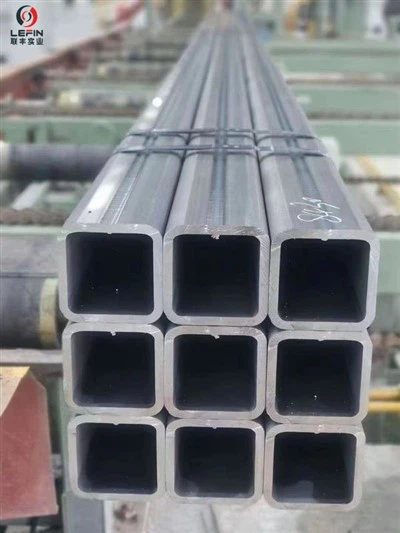
What kind of steel pipes can not do the galvanizing treatment?
Galvanizing treatment is a process of coating steel pipes with a layer of zinc to protect the metal from rust and corrosion. However, not all types of steel pipes are suitable for galvanizing treatment.
1. Stainless steel pipes
Stainless steel pipes, for example, cannot undergo galvanizing treatment. This is because stainless steel already has a layer of chromium oxide on its surface, making it resistant to corrosion. Adding a layer of zinc on top of this will not provide any additional protection and may even cause damage to the existing layer of chromium oxide.
Chemical element content:
Stainless steel pipes are one of the most commonly used materials for various industrial and domestic applications. These pipes are made of a mixture of different chemical elements that provide them with excellent resistance to corrosion, heat, and other external factors that can cause wear and tear.
The primary chemical element in stainless steel is iron, which is combined with carbon, chromium, and other elements like nickel, molybdenum, and nitrogen. The presence of chromium gives stainless steel its unique ability to resist corrosion, while the addition of nickel helps to improve its strength and ductility.
Other elements added to stainless steel pipes also play a vital role in determining their properties, such as molybdenum which increases corrosion resistance in harsh environments, making it perfect for use in marine applications. Nitrogen helps enhance the strength of the material, while carbon provides improved strength and hardness.
Overall, the chemical composition of stainless steel pipes provides them with unmatched durability and longevity, making them the preferred choice for a wide range of applications. The high resistance to corrosion means that the pipes are ideal for use in environments with extreme temperatures and weather conditions, or where harsh chemicals may be present, such as in the chemical and oil industries.
Advantages:
1. Corrosion Resistance: Stainless steel pipes are highly resistant to rust, corrosion, and staining due to their high levels of chromium. This makes them ideal for use in harsh environments, such as chemical and marine applications.
2. Durability: Stainless steel pipes have high strength and durability, which makes them resistant to cracking and bending and helps them withstand high pressures and temperatures. This means that they can be used for a long time without the need for frequent repairs or replacements.
3. Aesthetic Appeal: Stainless steel pipes have a sleek, shiny appearance that adds an aesthetic appeal to any application.
4. Easy Fabrication: Stainless steel pipes can be easily fabricated and joined together by welding or clamping, which makes them a convenient choice for construction and industrial applications.
5. Hygienic: Stainless steel pipes are easy to clean, non-porous, and resistant to bacteria and germs. This makes them ideal for use in medical facilities, food processing plants, and pharmaceutical industries.
6. Recyclable: Stainless steel pipes are recyclable and can be reused for other applications. This makes them a sustainable and eco-friendly choice.
Application:
1. Construction: Stainless steel pipes are extensively used in construction for various purposes such as plumbing, HVAC systems, and structural support. They are preferred over other materials due to their ability to withstand harsh weather conditions and exposure to water, chemicals, and gases.
2. Food processing industry: Stainless steel pipes find extensive use in the food processing industry because they are hygienic and easy to clean. They do not corrode or react with the food products and do not contaminate them, ensuring high-quality output and maintaining the safety of the products.
3. Automotive industry: Stainless steel pipes are utilized in the automotive industry for exhaust systems due to their high durability, corrosion resistance, and ability to withstand high temperatures. They also provide aesthetic value to the vehicles and add to their overall performance.
4. Oil and gas industry: The oil and gas industry extensively use stainless steel pipes for transporting raw materials such as oil and gas. These pipes are highly resistant to harsh chemicals and gases, corrosion, and extreme temperatures, making them suitable for long-term use.
5. Medical industry: Stainless steel pipes are indispensable in the medical industry due to their excellent corrosion resistance, biocompatibility, and ease of sterilization. They are widely used for surgical instruments, medical devices, and implants.
2. High-alloy steel
Another type of steel pipe that is not suitable for galvanizing treatment is high-alloy steel. This type of steel contains a high percentage of other metals such as nickel, chromium, and molybdenum, which can react with the zinc coating and cause coating adhesion issues.

Chemical element content:
High-alloy steel is a type of steel that contains a high percentage of alloying elements. These alloying elements are added to enhance the mechanical properties, corrosion resistance, and heat resistance of the steel.
One of the key characteristics of high-alloy steel is its ability to withstand high temperatures without losing its strength. This is due to the high content of elements such as chromium, molybdenum, and nickel.
Chromium is a key alloying element in high-alloy steel that provides excellent resistance to corrosion and oxidation. It also helps to strengthen the steel at high temperatures. Molybdenum is another element that helps to enhance the strength and resistance to corrosion of high-alloy steel. It is particularly effective in resisting corrosion in harsh environments such as seawater.
Nickel is another alloying element that is commonly used in high-alloy steel. It provides excellent resistance to corrosion and also enhances the toughness and ductility of the steel. In addition, nickel is also effective in reducing the risk of stress corrosion cracking in high-strength steel.
Other alloying elements commonly used in high-alloy steel include titanium, vanadium, and tungsten. These elements help to improve the mechanical properties of the steel, making it stronger, more ductile, and more resistant to fatigue.
Advantages:
1. Corrosion Resistance: High-alloy steel is highly resistant to corrosion, thanks to the presence of chromium and nickel. This property makes it ideal for use in harsh environments, such as marine applications or chemical processing plants.
2. High Strength: High-alloy steel has a high tensile strength, which makes it strong enough to withstand heavy loads and high stress applications. This makes it ideal for use in construction, manufacturing, and transportation industries.
3. Wear Resistance: High-alloy steel is resistant to wear and erosion, thanks to the presence of molybdenum. This makes it ideal for use in applications that involve high friction or continuous wear, such as cutting tools, gears, and bearings.
4. Thermal Stability: High-alloy steel is extremely resistant to heat and can withstand high temperatures without losing its mechanical properties. This makes it suitable for use in high-temperature applications, such as furnaces and jet engines.
5. Ductility: High-alloy steel has excellent ductility, which means it can be easily molded and shaped into different forms. This property makes it an ideal material for a range of applications, including automotive parts, medical devices, and aerospace components.
Application:
1. One of the primary applications of high-alloy steel is in the manufacturing of aircraft and aerospace components. The strength and durability of this steel make it an ideal choice for critical components like aircraft engines, landing gear, and other structural parts. High-alloy steel can withstand the high stress and high temperatures that these parts experience during operation, ensuring that they perform reliably and safely.
2. Another common application of high-alloy steel is in the oil and gas industry. This industry requires materials that can withstand the harsh environments of offshore drilling rigs and oil refineries. High-alloy steel, with its high resistance to corrosion and high temperatures, is an excellent choice for components like pipes, valves, and fittings that are exposed to these extreme conditions.
3. In addition to these industries, high-alloy steel is also used in the manufacturing of medical devices, turbines, and industrial equipment. The unique properties of this steel make it a versatile and valuable material that can be applied to a wide range of applications.
Good for the galvanizing treatment:
Most carbon steel pipes and low-alloy steel pipes are ideal candidates for galvanizing treatment. These types of pipes do not have existing layers of protection and can benefit greatly from the added layer of zinc. LEFIN STEEL mainly produces the low-alloy steel pipes and carbon steels.

Overall, it is important to consult with a professional to determine if galvanizing treatment is suitable for your particular type of steel pipe.