Low carbon steel tubes are manufactured by what process?
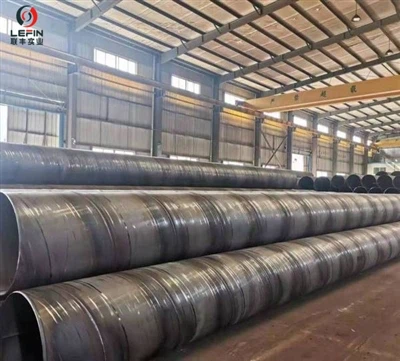
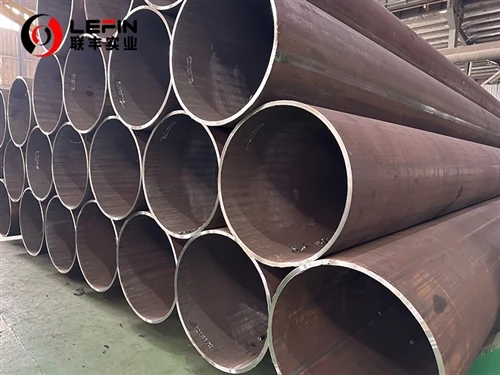
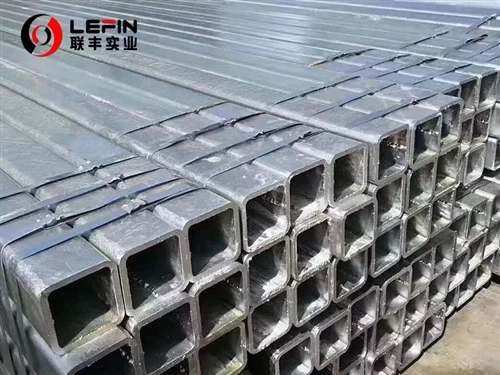
Low carbon steel tubes are an essential component in a vast variety of industries, including automotive, construction, and manufacturing. These tubes are made by a manufacturing process that is both efficient and cost-effective. LEFIN STEEL mainly produces the low carbon steel tubes.
Processing process:
The manufacturing process for low carbon steel tubes involves a few distinct steps. The first step is to thoroughly clean and prep the raw materials, which typically consist of long steel rods or billets. The next step is to heat these materials in a furnace until they reach a precise temperature. This process is known as "hot rolling."
Hot rolling transforms the raw materials into a more malleable form, which is crucial for creating tubes that can be manipulated and shaped according to specific requirements. After hot rolling, the steel rod is placed in a elongator or a next machine which stretches it to the required length. This process is known as "cold drawing" and it helps to ensure that the steel tubes are the right size and shape.
After stretching, the steel rod is cut to the desired length via a sawing process and the ends are deburred. The tubes are then considered finished products and are ready to be used in various applications.

Standard&Grade:
1. Low carbon steel tubes are widely used in various industries due to their excellent performance, affordability, and ease of fabrication. These tubes are made with a low carbon content, typically around 0.05% to 0.25%, making them a popular choice for applications that require ductility, toughness, and weldability.
2. The standards and grades of low carbon steel tubes vary based on their specific uses and requirements. Some of the most common grades of low carbon steel tubes include ASTM A36, ASTM A572, ASTM A588, and ASTM A992. These grades are used in construction, infrastructure, and manufacturing applications that require durability, strength, and resistance to corrosion.
3. Additionally, low carbon steel tubes can meet various international standards such as EN 10219-1, EN 10219-2, JIS G 3466, and DIN 59411. These standards ensure that low carbon steel tubes meet stringent quality requirements and remain compliant with industry standards.
4. Manufacturers of low carbon steel tubes follow strict quality control procedures to ensure that their products meet customer specifications and adhere to safety regulations. They also use modern production techniques and advanced technologies to maintain consistency and quality across the entire production process.
Characteristics:
1. Low carbon steel tubes are a type of steel tubing that is known for its high level of toughness and durability while still remaining relatively lightweight. These tubes are widely used in a variety of industries, including construction, automotive, and aerospace, due to their numerous advantageous properties.
2. One of the key characteristics of low carbon steel tubes is their high level of ductility. This means that they can be easily bent or shaped to fit complex designs without cracking or breaking. This makes them ideal for use in applications where precise shapes and sizes are required.
3. In addition, low carbon steel tubes are highly resistant to corrosion and rust. This is because they contain a lower amount of carbon, which makes them less prone to oxidation and other forms of chemical damage. This property makes them ideal for use in outdoor or harsh environments where other types of metal might corrode over time.
4. Another key characteristic of low carbon steel tubes is their high tensile strength. This means that they can withstand a significant amount of pressure and weight without deforming or breaking. This makes them ideal for use in applications where strength and durability are a top priority, such as structural beams and support columns.

Advantages:
1. Cost-effective: Low carbon steel tubes are cost-effective, making them an ideal choice for various industrial applications. The lower cost of producing these tubes translates to better affordability for customers.
2. Ductility and Malleability: Due to its lower carbon content, low carbon steel tubes have higher ductility and malleability compared to other types of steel tubes. This property makes these tubes ideal for bending, shaping, and forming into different shapes.
3. Easy to Weld: Low carbon steel tubes are easy to weld, making them popular for fabricating structures and machinery. The lower carbon content reduces the chances of cracking or damaging the material during the welding process, improving the overall durability of the steel.
4. Excellent for Cold Forming: Low carbon steel tubes also have excellent cold-forming properties, meaning they can be shaped without the need for heat treatment. This makes them ideal for producing pipes and tubes in various shapes and sizes.
5. Corrosion Resistance: Low carbon steel tubes have good corrosion resistance due to their lower carbon content. They are less prone to rust, making them ideal for outdoor applications where exposure to moisture is a concern.
Application:
1. Low carbon steel tubes are widely used in a variety of applications due to their exceptional properties. These tubes have a very low carbon content, making them highly ductile, flexible, and easy to work with. They are also cost-effective, making them a popular choice in many industries.
2. One of the most common applications for low carbon steel tubes is in the construction industry. They are used as structural supports in buildings, bridges, and other structures. They offer great strength and durability, making them perfect for heavy-duty applications. They are also resistant to corrosion, which makes them ideal for use in environments where they will be exposed to moisture or chemicals.
3. Another application of low carbon steel tubes is in the automotive industry. They are used in the production of engine parts, mufflers, and exhaust systems. They offer excellent performance and durability, even under extreme temperatures and pressures. Additionally, they are lightweight, which helps to reduce the overall weight of the vehicle, improving fuel efficiency and performance.
4. Low carbon steel tubes are also commonly used in the manufacturing of furniture and appliances. They are used to make frames, supports, and other components that require strength and durability. They offer a great balance of affordability and performance, making them a popular choice for manufacturers.

Overall, the manufacturing process for low carbon steel tubes is straightforward, efficient, and reliable. It allows for the creation of a vast range of products of consistent quality and strength, making them an essential component in modern industrial applications.