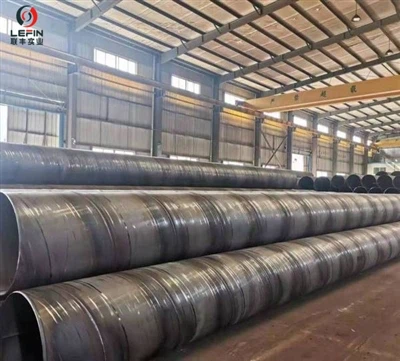
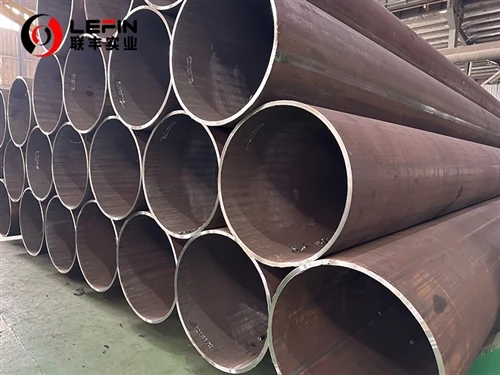
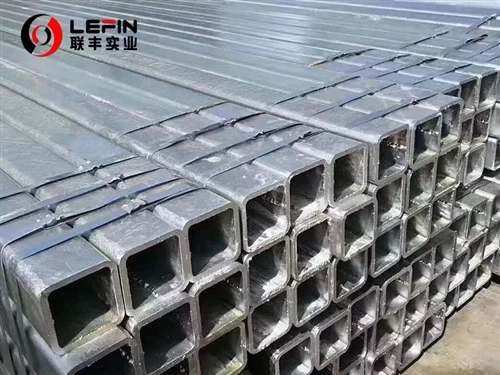
ERW (Electric Resistance Welded) and LSAW (Longitudinal Submerged Arc Welded) are two common types of steel pipes used in oil and gas pipelines, construction, and other applications. Both pipes have their unique features, advantages, and disadvantages.
ERW steel pipes are manufactured by rolling metal and welding it longitudinally across its length. The welding process uses a high-frequency electric current to heat the edges of the metal and fuse them together. This welding technique produces a seam that is stronger than the pipe material itself, making it resistant to corrosion and pressure.
LSAW steel pipes are created by using a submerged arc welding process. The process involves the formation of a welding arc between the welding electrode and the workpiece, which is submerged in the welding flux. The welding flux melts to form a liquid slag over the weld, which protects it from atmospheric contamination and promotes better quality welds.
Manufacturing process:
The ERW pipes are manufactured by rolling metal and welding it together, whereas LSAW pipes are made by using a submerged arc welding process. This difference in manufacturing processes leads to differences in the quality of the pipes. LSAW pipes tend to be stronger, thicker, and more durable than ERW pipes.
Size range:
ERW pipes are available in smaller sizes, which makes them ideal for use in lightweight and low-pressure applications. LSAW pipes, on the other hand, come in larger sizes, making them suitable for use in heavy-duty applications.
In conclusion:
While ERW pipes are more suitable for lightweight and low-pressure applications, LSAW pipes are ideal for heavy-duty applications. Regardless of the type of pipe chosen, it is important to get quality pipes that meet the required standards and specifications.
if you have trouble on choosing, welcome to contact us