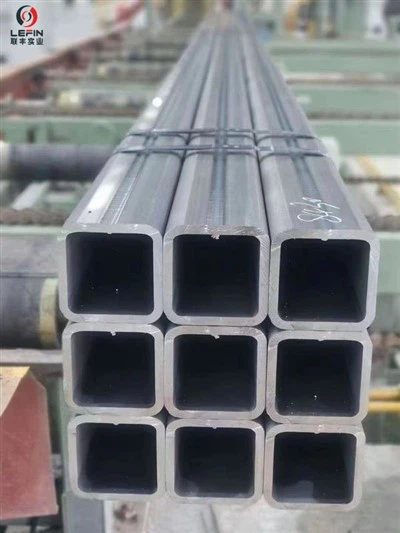
Basic Information

Steel planks are structural components used in scaffolding systems to create safe and stable working platforms for construction, maintenance, and industrial activities. They are designed to support workers, tools, and materials at elevated heights, ensuring safety and efficiency in high-risk environments. Made from high-quality steel, these planks are durable, fire-resistant, and capable of withstanding heavy loads and harsh conditions.
Key Features
Material and Construction:
- Steel planks are typically made from galvanized steel or painted steel to enhance corrosion resistance and durability.
- The steel used is often high-strength, ensuring the planks can support significant weight without bending or breaking.
Non-Slip Surface:
- The surface of steel planks is designed with anti-slip patterns, such as raised dimples, perforations, or serrated edges, to provide better traction and reduce the risk of slips and falls.
- Some planks are coated with additional anti-slip materials for extra safety.
Hook-and-Notch System:
- Steel planks are equipped with hooks or notches at the ends, allowing them to be securely attached to scaffolding frames or brackets.
- This design prevents the planks from shifting or dislodging during use, ensuring a stable working platform.
Load Capacity:
- Steel planks are engineered to meet specific load-bearing standards, often supporting weights of up to 750 pounds or more per plank, depending on their size and thickness.
- They are tested and certified to comply with safety regulations, such as OSHA (Occupational Safety and Health Administration) standards.
Durability and Longevity:
- Unlike wooden planks, steel planks are resistant to warping, cracking, rotting, and fire.
- They can withstand exposure to extreme weather conditions, chemicals, and heavy use, making them a long-lasting investment.
Modular Design:
- Steel planks are available in various standard lengths (e.g., 6 ft, 8 ft, 10 ft) and widths (e.g., 18 inches, 24 inches) to fit different scaffolding configurations.
- Their modular design allows for easy assembly, disassembly, and transportation.
Advantages
- Safety: The non-slip surface and secure attachment system minimize the risk of accidents.
- Reusability: Steel planks can be reused across multiple projects, reducing waste and costs.
- Low Maintenance: They require minimal upkeep compared to wooden planks.
- Environmental Friendliness: Steel planks are recyclable and contribute to sustainable construction practices.
- Versatility: Suitable for a wide range of applications, including building construction, shipbuilding, bridge work, and industrial maintenance.
Applications
Steel planks are widely used in industries where elevated work platforms are required, such as:
- Construction: For building skyscrapers, residential structures, and commercial complexes.
- Shipbuilding: To provide access to different sections of ships during construction or repair.
- Bridge Work: For maintenance and construction of bridges and overpasses.
- Industrial Maintenance: In factories, refineries, and power plants for accessing high equipment or structures.
- Event Staging: For creating temporary platforms or stages.
Comparison with Wooden Planks
| Feature | Steel Planks | Wooden Planks |
|---|---|---|
| Durability | Highly durable, resistant to wear | Prone to warping, cracking, rotting |
| Fire Resistance | Non-combustible | Combustible |
| Load Capacity | Higher load-bearing capacity | Lower load-bearing capacity |
| Maintenance | Low maintenance | Requires regular inspection |
| Cost | Higher initial cost, but cost-effective long-term | Lower initial cost, but shorter lifespan |
| Environmental Impact | Recyclable and sustainable | Less sustainable, often discarded |
Conclusion
Steel planks are an essential component of modern scaffolding systems, offering unmatched strength, safety, and durability. Their ability to withstand harsh conditions, support heavy loads, and provide a secure working platform makes them a preferred choice for construction and industrial projects worldwide. By investing in steel planks, companies can enhance worker safety, reduce long-term costs, and contribute to sustainable construction practices.