What are the differences between Hot finish and Cold finish
Steel is a versatile material that can be used in a variety of applications. To meet the diverse needs of different industries, steel can be produced using two different processes- hot finish and cold finish. Each process has its own unique qualities, and understanding their differences can help you choose the one that is best suited for your project. LEFIN STEEL produces steels with hot finish and cold finish processes.
Hot finish:
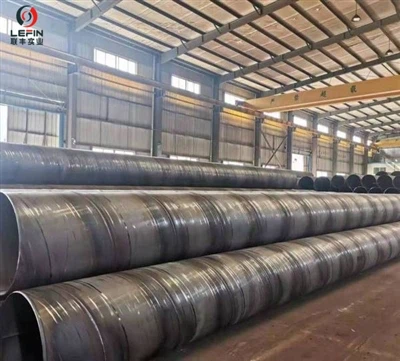
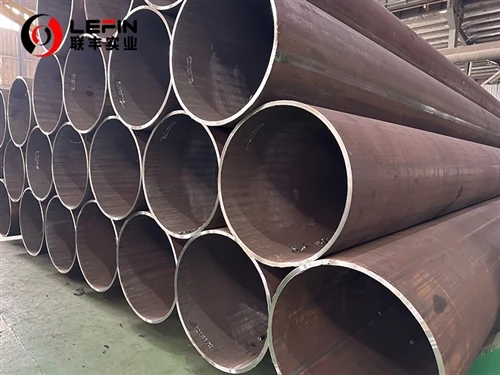
Hot finish steel is formed at temperatures above its recrystallization point. During this process, the steel is heated to a high temperature and then rapidly cooled. This results in a rough finish with a scaly surface. Hot finish steel is ideal for applications where strength and durability are critical, such as construction and heavy machinery.
Cold finish:
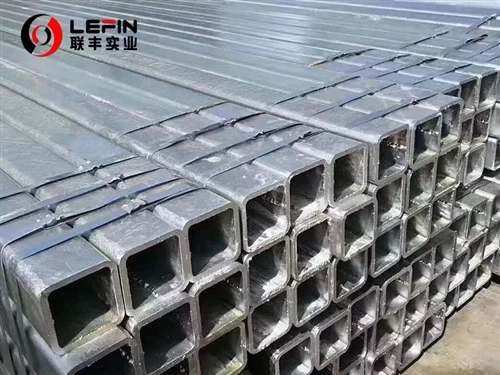
On the other hand, cold finish steel is produced at room temperature. This process involves rolling or drawing the steel through a die, which gives it a smoother finish. Cold finish steel is often used for applications where precision is important, such as in the production of bearings and shafts.
Advantages:
Hot finish:
Hot finish refers to the process of forming and shaping steel at high temperatures. The steel is heated to a temperature beyond the recrystallization point, which allows it to be formed and shaped easily.
1. The most significant advantage of hot finish is that it allows for a high degree of malleability, making it possible to create intricate shapes and designs that would be difficult to produce with cold finish.
2. Hot finish improves the strength and durability of steel. The high temperature used in the process helps to improve the microstructure of steel, making it stronger and more resilient to wear and tear. This makes hot finish ideal for creating heavy-duty components such as engine parts, turbine blades, and structural steel beams that can withstand high levels of stress and pressure.
Cold finish:
Cold finish, on the other hand, refers to the process of shaping steel at room temperature or slightly above room temperature. The steel is not heated before or during the manufacturing process.
1. The most significant advantage of cold finish is that it provides a higher level of precision and accuracy in shaping the steel. Since the steel is not malleable, it can be machined to very precise tolerances, resulting in parts that fit together perfectly.
2. Cold finish provides a smoother surface finish than hot finish. Since the steel is not heated, it does not form a scale or oxidation that would require grinding or sandblasting to remove. The final product is a smoother, cleaner surface that is more aesthetically pleasing and easier to maintain.
Differences:
Another major difference between hot and cold finish steel is their tolerance levels. Hot finish steel has a lower tolerance level than cold finish steel. This means that hot finish steel may have imperfections, such as surface cracks or defects, that may be visible. Cold finish steel, on the other hand, has a higher tolerance level, making it less likely to have defects.
Contact: Nina 008618892236531(whatsapp) or nina@lefinsteel.com(Email)


In conclusion, both hot finish and cold finish steel have their unique qualities and are suitable for different applications. Choosing the best process for your project depends on your specific needs. Whatever you choose, rest assured that steel is a strong and reliable material that will meet your expectations.