What are the Differences between Circular Hollow Section and Square Hollow Section
Hollow Section including Circular Hollow Section, Rectangular Hollow Section and Square Hollow Section.
LEFIN STEEL can produce Circular Hollow Section and Square Hollow Section with following differences.
| product | Circular Hollow Section(CHS) | Square Hollow Section(SHS) |
| Standard | EN10255, ASTM A53,BS1387, JIS G3444 | EN10210, EN10219, ASTM A500, ASTM A501, JIS G3466, AS1163 |
| Grade | S235, S275, S355JRH, S355JOH, S355J2H, GR.A, GR.B, CLASS A, CLASS B, CALSS C, STK R400... | S235,S355,GR.A, GR.B, GR.C, GR.D, STK 400, SS400, C350, C350, C450... |
| Size | 1/2 INCH--15INCH | 1.3MM--50MM |
| Wall Thickness(MM) | 5--50 | 20*20--1200*1200 |
Surface Treatment:
Square Hollow Section: coating, linking, welding, galvanizing, cutting, drilling holes...
Based on these ways, Surface treatment of the Circular Hollow Section including both ends threadings, one with caps, another with caplings, engrave.
Application:
Circular Hollow Sections and Square Hollow Sections are two popular types of steel tubes widely used in different industries. Both have unique properties and offer a range of benefits, making them ideal for various applications.
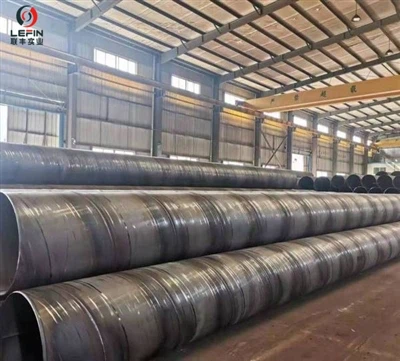
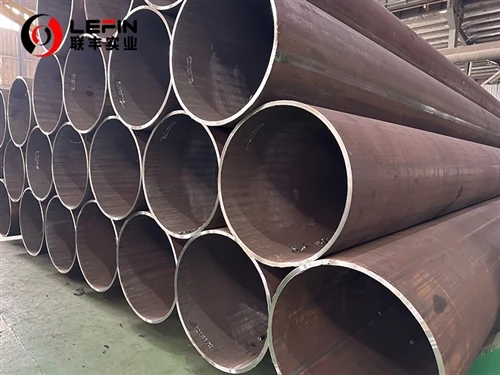
Circular hollow section: LEFIN STEEL Circular Hollow Section is known for its smooth surface and uniform thickness. It is commonly used in infrastructure projects such as bridges, buildings, and tunnels. Its symmetrical design makes it easy to install and can withstand high loads and pressure.
In addition, CHS tubes are ideal for the construction of fluid pipelines, air conditioning ducts, and other systems that require a smooth inner surface. Its round shape also makes it a practical choice for fencing, flag poles, and other decorative applications.
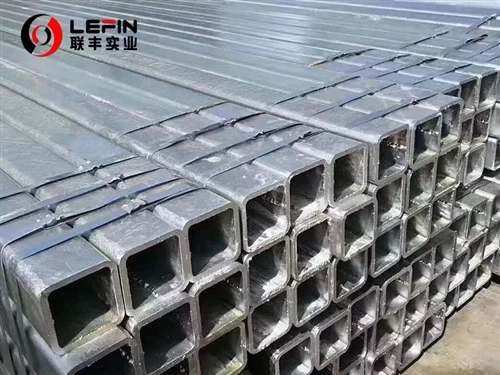
Square Hollow Sections: LEFIN STEEL Square Hollow Section is popular due to their versatility, strength, and aesthetic appeal. These tubes are commonly used in construction, fabrication, and manufacturing industries. They have square or rectangular cross-sections, making them ideal for structural support.
SHS tubes are also widely used in furniture, automotive parts, and agricultural machinery components. They are available in different sizes, thickness, and grades, making it easier to select the right tube for the job.
In conclusion, both CHS and SHS tubes have various applications and are used in different industries globally. While CHS is preferred for the construction of infrastructure projects, SHS is mostly used in construction, fabrication, and manufacturing industries. Regardless of the application, both types of tubes have proven to be a reliable and cost-effective solution for many businesses.