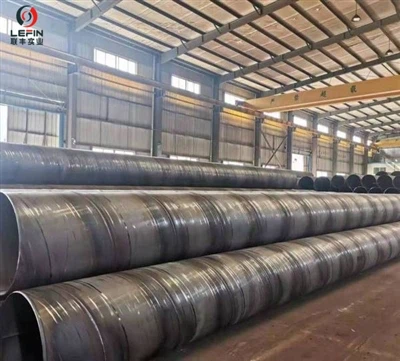
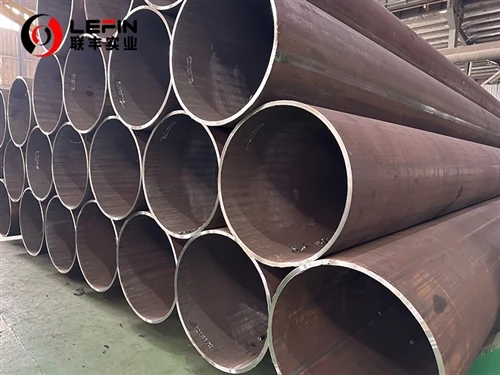
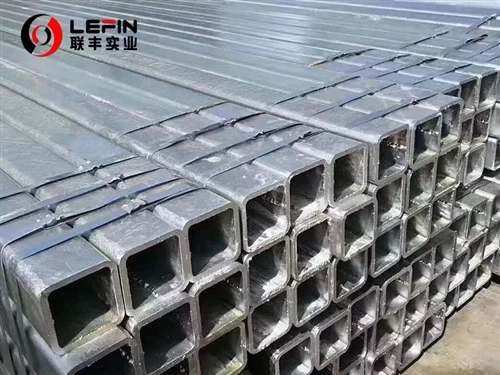
Definition and use of scaffolding pipes
Scaffolding pipe is a steel pipe used to build temporary support structures in construction projects, mainly used to build scaffolding, safety protection frame or construction platform, to provide operating space and protection for high-altitude work.
Its core features include:
1. Material and specifications: Usually use Q235 grade low carbon steel or low alloy steel, the outer diameter is mostly 48mm or 51mm, the wall thickness range is between 2.5-3.5mm, the single length is generally 6 meters, the weight per meter is about 3.84kg.
2. Structural design: divided into vertical bar, cross bar, sweeping bar and other components, through the fastener (such as right Angle fastener, rotary fastener) connected to the whole, to meet the needs of different loads.
3. Application scenario: In addition to construction sites, it is also used in special scenarios such as natural gas pipeline support and equipment installation.

Differences between common steel pipe and scaffording pipe
Scaffold pipe and ordinary steel pipe are different in many aspects, the following are specific instructions:
Material aspect:
- Scaffold pipe: Usually made of Q235 carbon structural steel, this steel has good welding properties and mechanical properties, can meet the strength and stability requirements of scaffolding.
- Ordinary steel pipe: there are many kinds of materials, in addition to Q235, Q195, Q215, Q345, etc., and different materials of steel pipes have differences in strength, toughness and corrosion resistance.
Specification and size:
- Scaffold pipe: the outer diameter is generally 48mm, and the wall thickness is 3mm, 3.2mm, 3.5mm, etc. According to the "Safety Technical Code for Steel pipe scaffold with fasteners for Construction" JGJ 130-2011, the scaffold pipe should be Φ48.3×3.6mm.
- Ordinary steel pipe: The specification size range is wider, the outer diameter varies from a few millimeters to several hundred millimeters, the wall thickness is also from very thin to very thick, and the specific specifications are determined according to different uses and standards.
Surface treatment:
- Scaffold pipe: generally rust resistant treatment, such as spraying anti-rust paint, to improve its corrosion resistance and service life.
- Ordinary steel pipe: the surface treatment method depends on the specific use, some need strict anti-corrosion treatment, some do not need, or only a simple surface cleaning.
Usage scenario
- Scaffold pipe: mainly used for scaffolding construction in construction, to provide operating platform and support for construction personnel.
- Ordinary steel pipe: a wider range of applications, including building structures, machinery manufacturing, oil transportation, chemical equipment and many other fields.
Performance requirement
- Scaffold pipe: it needs to have good bending and compressive performance to withstand the load and impact during the construction process, and it must have enough toughness to prevent fracture during use.
- Ordinary steel pipe: the performance requirements depend on the specific application scenario, some require high strength and high toughness, such as steel pipe for mechanical manufacturing; Some pay more attention to corrosion resistance or wear resistance, such as steel pipes for chemical equipment.