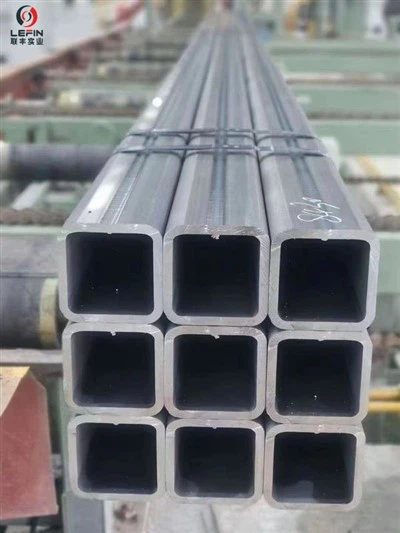
Steel pipe oiling
BASIC INFORMATION
Definition
Steel pipe oiling: This is a kind of anti-rust oil or other process media evenly sprayed on the surface of the steel pipe technology. The oil coating provides a variety of benefits to the steel pipe, including corrosion protection, improved aesthetics, enhanced weldability, ease of application and environmental protection.
application
1. Anti-corrosion:
The main purpose of oiling is to prevent direct contact between the steel pipe and the air, thereby slowing down the rust process. The oil forms a barrier between the steel and the outside environment, preventing moisture and other corrosive elements from coming into contact with the metal.
2. Improve aesthetics:
Oiling not only provides corrosion protection, but also helps to improve the appearance of the steel pipe, making the surface smooth and shiny, and enhancing the overall beauty of the pipe.
3. Enhance weldability:
The oil coating can improve the weldability of the steel pipe, making it easier to connect in the subsequent welding process.
4. Easy to apply:
Oiling is a simple and effective surface treatment method that is easy to apply and cost-effective.
5. Environmental protection:
Oiling is environmentally friendly as it does not contain harmful chemicals or pollutants that can harm the environment. The oils used to coat steel pipes and tubes are generally biodegradable and non-toxic.
Through oiling treatment, the durability and service life of the steel pipe are significantly improved, while the appearance is also improved. This treatment method is widely used in the construction, manufacturing and transportation industries to protect steel pipes from corrosion and environmental impacts.
Purpose:
The main purpose of oiling is to prevent direct contact between the steel pipe and the air, thereby slowing down the rust process.
Benefits:
Oil is applied to prevent corrosion and rust, and the oil forms a barrier between the steel and the outside environment, preventing moisture and other corrosive elements from coming into contact with the metal. This helps to extend the service life of the steel pipe and makes it more resistant to wear.


How to check whether the steel pipe is still rust resistant after oiling?
1. Visual inspection:
Inspect the surface of the steel pipe visually for rust or broken coating. If rust is found on the surface of the coating, local cleaning and coating maintenance should be carried out in time.
2. Coating adhesion check:
Use the current national standard "Paint film adhesion determination method" GB 1720 or "paint and varnish film grid test" GB/T 9286 to perform coating adhesion inspection to ensure the adhesion of the coating to the surface of the steel pipe.
3. Coating thickness check:
Use an automatic coating thickness gauge or an electronic coating thickness gauge to check the anti-corrosion layer thickness to ensure that the coating thickness meets the design requirements.
4. Spark detection:
For the buried pipeline anti-corrosion layer, use the buried pipeline external anti-corrosion layer condition detector to carry out trenchless detection, record the detection signal of the damage point, and evaluate the damage of the anti-corrosion layer.
5. Check regularly:
According to the conditions of use and the deterioration of the coating, the anti-corrosion coating is overhauled after a certain number of years. All inspection and maintenance work should be properly recorded.
The maintenance cycle of the steel pipe after oiling is usually not more than 2 years. Coating anti-rust oil is a temporary anti-rust method, the general anti-rust period is not more than 2 years, before use (or assembly) to clean. The oiled steel pipe needs to be maintained or reoiled within two years to maintain its anti-rust effect.