Introduction
In the realm of steel manufacturing and quality control, the concepts of heat analysis and product analysis are of paramount significance. These analyses serve as crucial tools to ensure the consistency, reliability, and performance of steel products. They provide detailed insights into the chemical composition of steel at different stages of production and usage, thereby facilitating precise quality assessment and compliance with relevant standards.
Heat Analysis
Heat analysis is conducted on a sample taken from the molten steel during the steelmaking process, specifically from a particular heat or batch of steel. It is performed to determine the chemical composition of the steel at the time it is produced.
-
Quality Control:
By analyzing the molten steel, manufacturers can verify that the steel meets the specified chemical requirements before it is further processed or cast into shapes. It helps to identify any deviations from the desired composition early in the production process, allowing for adjustments to be made promptly.
-
Standard Compliance:
Steel standards often specify the permissible ranges for various chemical elements in steel. Heat analysis ensures that the steel produced adheres to these standards. For example, in structural steel, the carbon content, manganese content, and other alloying elements must be within certain limits to guarantee the steel's mechanical properties and weldability.
-
Traceability:
The results of the heat analysis are typically recorded and associated with the specific heat of steel. This provides a traceable record of the steel's composition, which is vital for quality assurance and in case any issues arise later in the product's life cycle. It allows for the identification and tracking of the steel's origin and production batch.
The heat analysis is usually carried out using spectroscopic techniques such as optical emission spectroscopy (OES) or inductively coupled plasma (ICP) spectroscopy. These methods can accurately measure the concentrations of elements like carbon, silicon, manganese, phosphorus, sulfur, and various alloying elements present in the steel.
Product Analysis
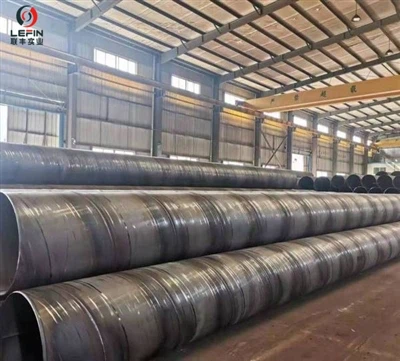
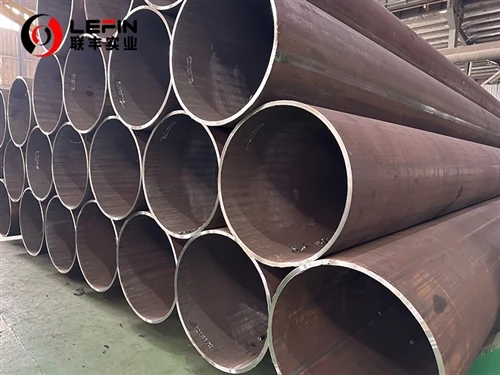
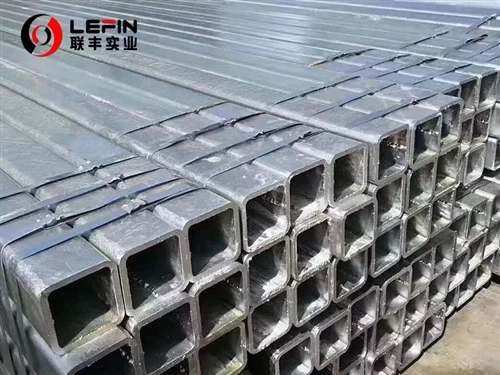
Product analysis, on the other hand, is performed on the finished steel product. It involves taking samples from the actual steel components or materials that have been processed, such as steel bars, plates, pipes, or machined parts. The purpose of product analysis is to verify that the steel has maintained its intended chemical composition throughout the production and processing stages.
-
Final Quality Verification:
After the steel has undergone various manufacturing processes such as rolling, forging, or heat treatment, it is essential to confirm that the chemical composition has not been significantly altered. Product analysis ensures that the steel still meets the required specifications and is suitable for its intended application.
-
Mechanical Property Correlation:
The mechanical properties of steel, such as strength, toughness, and hardness, are closely related to its chemical composition. By conducting product analysis, manufacturers can correlate the actual chemical composition of the finished product with its expected mechanical properties. This helps to ensure that the steel will perform as intended in service.
-
Customer Assurance:
For customers who purchase steel products, product analysis provides an additional layer of assurance that the steel they are receiving is of the correct composition and quality. It is often required by customers, especially in critical applications such as automotive, aerospace, and construction industries, to ensure the reliability and safety of the steel components.
Similar to heat analysis, product analysis is also typically conducted using spectroscopic techniques. However, it may require additional considerations such as ensuring representative sampling from different locations of the finished product to account for any potential variations in composition due to processing.
Comparison: Heat Analysis vs. Product Analysis in Steel
| Aspect | Heat Analysis | Product Analysis |
|---|---|---|
| Sample Source | Molten steel (furnace/ladle) | Finished product (plate, bar, pipe) |
| Purpose | Baseline chemical composition | Verify final product quality |
| Testing Method | OES, XRF (from liquid steel sample) | OES, XRF, combustion (from solid sample) |
| Tolerances | Broader (due to expected refining) | Stricter (must match final requirements) |
Conclusion
Heat analysis and product analysis are both indispensable components of steel quality control and standard compliance.
- Heat analysis focuses on the initial assessment of the molten steel's chemical composition during production, allowing for early detection and correction of any deviations.
- Product analysis, conversely, ensures that the finished steel product retains the desired chemical composition and meets the required specifications after undergoing various manufacturing processes.
Together, these analyses play a vital role in guaranteeing the consistency, performance, and reliability of steel products across diverse applications and industries. They contribute to the overall quality assurance framework in the steel industry, fostering confidence in the use of steel materials for a wide range of critical applications.