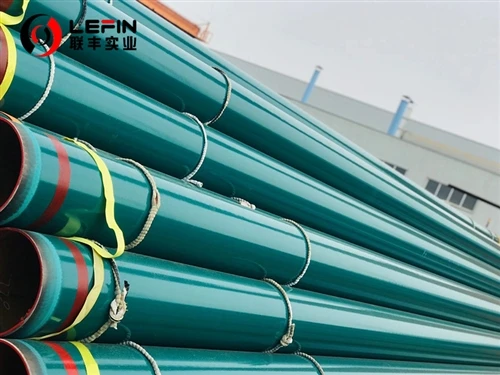
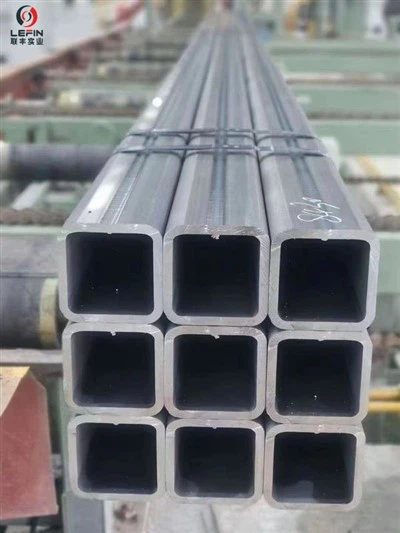
AS/NZS 1163 is an Australian/New Zealand standard that specifies requirements for cold-formed structural steel hollow sections. The three common grades-C250, C350, and C450-differ primarily in their mechanical properties, particularly yield strength and tensile strength, which influence their structural applications.

Strength
- C250: The yield strength of C250 steel is 250 MPa. It is suitable for applications where moderate strength is required.
- C350: With a yield strength of 350 MPa, C350 steel offers higher strength than C250, making it more suitable for applications that need to withstand greater loads.
- C450: The yield strength of C450 steel is 450 MPa, providing the highest strength among the three. It is ideal for applications requiring high strength and load-bearing capacity.
Ductility
- C250: Generally has better ductility compared to the other two grades. This means it can be more easily bent or formed without breaking, which is beneficial for certain manufacturing processes.
- C350: While it has lower ductility than C250 due to its higher strength, it still possesses sufficient ductility for many applications. However, care must be taken during forming processes to avoid excessive deformation.
- C450: Has the lowest ductility of the three. Its high strength comes at the expense of ductility, meaning it is more prone to fracture under bending or forming operations.
Toughness
- C250: Typically exhibits good toughness, which allows it to absorb energy and resist fracture under impact loads.
- C350: The toughness of C350 steel is generally lower than that of C250 due to its higher strength. However, it is still suitable for many applications where impact resistance is not the primary concern.
- C450: Has the lowest toughness among the three grades. It is more susceptible to brittle fracture under impact loads, so it is important to consider this when selecting it for applications that may experience sudden impacts.
Applications
- C250: Commonly used in applications such as general construction, light structural work, and non-critical components where moderate strength and good formability are required.
- C350: Suitable for a wide range of applications, including structural components, bridges, and other structures that require higher strength but still need some degree of formability.
- C450: Often used in heavy-duty applications, such as heavy machinery, mining equipment, and other areas where high strength and load-bearing capacity are crucial.

Key Comparison Summary
| Property | C250 | C350 | C450 |
|---|---|---|---|
| Yield Strength | 250 MPa | 350 MPa | 450 MPa |
| Tensile Strength | 320 MPa | 430 MPa | 500 MPa |
| Ductility | High | Moderate | Lower |
| Applications | Light structures | Medium-duty projects | Heavy-duty engineering |
Conclusion
The choice depends on strength vs. ductility needs:
- C250 → Cost-effective, good for lightweight structures.
- C350 → Balanced performance for most construction uses.
- C450 → High-strength option for demanding environments.
In summary, the choice between C250, C350, and C450 depends on the specific requirements of the project, including load-bearing capacity, cost considerations, and fabrication processes.