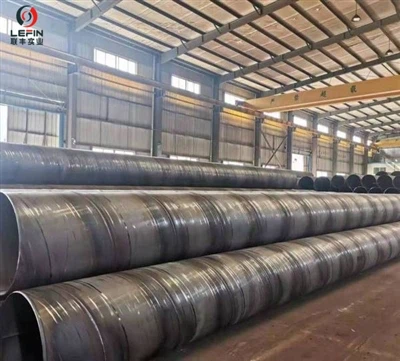
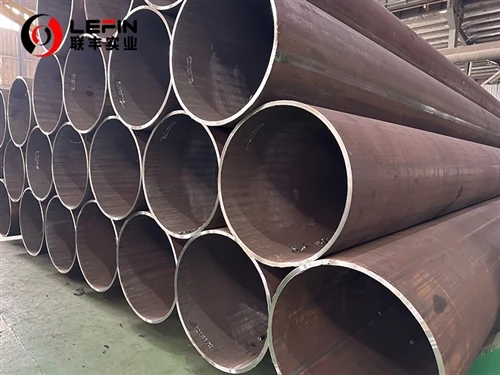
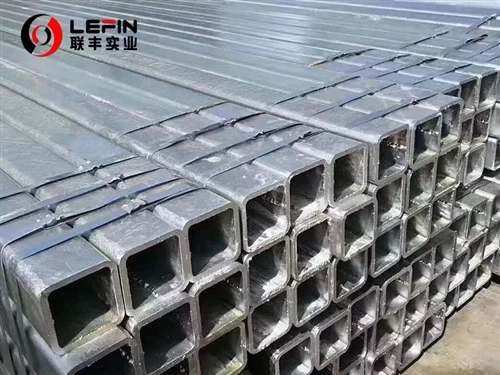
ASTM A500 and ASTM A501 are two different specifications for structural steel tubing. It is essential to understand the difference between the two to select the correct specification for your project.
ASTM A500: It is a standard specification for cold-formed welded and seamless carbon steel structural tubing in round, square, and rectangular shapes. It specifies the material, chemical composition, mechanical properties, and permissible variations in dimensions and weight per foot. ASTM A500 is widely used in construction, manufacturing, transportation, and industrial applications due to its high strength, excellent weldability, and formability.
ASTM A501: It is also a standard specification for hot-formed welded and seamless carbon steel structural tubing. It mainly applies to round tubing, but it also covers square and rectangular shapes.
ASTM A501 specifies the material, chemical composition, mechanical properties, and dimensions. It is commonly used in columns, bridges, and other structural applications that require high load-bearing capacity.
manufacturing process. ASTM A500 is manufactured through cold forming, while ASTM A501 is manufactured through hot forming. Cold-formed products have tighter tolerances and a smoother surface finish, making it suitable for decorative and architectural purposes. hot-formed products have a rougher surface and less tight tolerances, but they have higher yield and tensile strength.
both specifications are essential for different types of projects. ASTM A500 is ideal for applications where aesthetics, tight tolerances, and smooth finishes are a priority. On the other hand, ASTM A501 is suitable for projects where structural integrity and strength are critical. It is essential to consult with a professional to select the appropriate specification for your project to ensure its success.