Definition of CE Marking
CE Marking (Conformité Européenne Mark) is a mandatory conformity mark required for products sold within the European Economic Area (EEA), which includes the European Union (EU) and countries such as Norway, Iceland, Liechtenstein, and Switzerland. It signifies that a product has been assessed by the manufacturer and deemed to meet EU safety, health, and environmental protection requirements. This mark is crucial for ensuring that products comply with high standards and can be freely traded within the EEA.
- Symbol: The letters "CE" in a specific font, often accompanied by a declaration of conformity (DoC).
- Purpose: Ensures free market access in the EU while guaranteeing consumer safety.
Why is CE Marking Important?
Legal Requirement:
- Manufacturers and importers are legally required to ensure their products comply with relevant EU directives and regulations. Non-compliance can result in legal penalties and restrictions on market access.
- Products without CE marking cannot be sold in the EU/EEA.
Market Access:
- Products with the CE Marking can be legally sold in the EEA without facing additional restrictions from individual member states. This reduces trade barriers and simplifies the process of exporting products to European markets.
- Allows manufacturers to freely distribute goods across 30+ European countries.
Safety Assurance:
- Confirms the product meets EU safety, health, and environmental standards.
Avoids Penalties:
- Non-compliance can lead to fines, product recalls, or bans.
How to Obtain CE Marking?
Identify Applicable EU Directives
Determine which EU regulations apply to your product (e.g., Machinery Directive 2006/42/EC).
Conformity Assessment
Conduct risk assessments and product testing (in-house or via a Notified Body).
Technical Documentation
Prepare:
- Technical File (design specs, test reports)
- User Manual (safety instructions)
- Declaration of Conformity (DoC) (legal statement of compliance)
Affix CE Marking
Permanently attach the CE logo (min. 5mm height) to the product/packaging.
Maintain Compliance
Keep records for 10+ years (required for audits).
CE Marking in Manufacturing and Construction
In the manufacturing sector, CE Marking is essential for a wide range of products, including machinery, electrical equipment, and medical devices. Manufacturers must ensure that their products meet specific safety and performance standards before affixing the CE Mark.
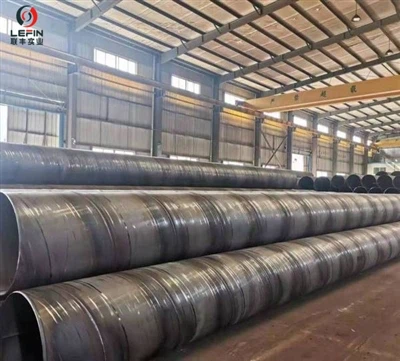
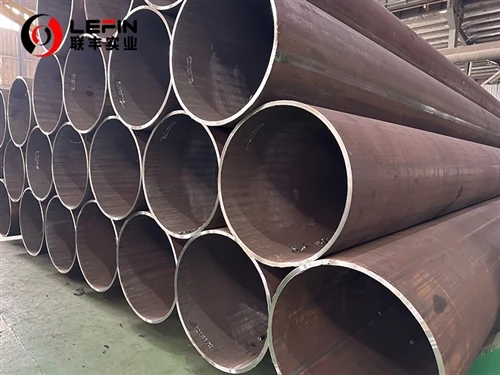
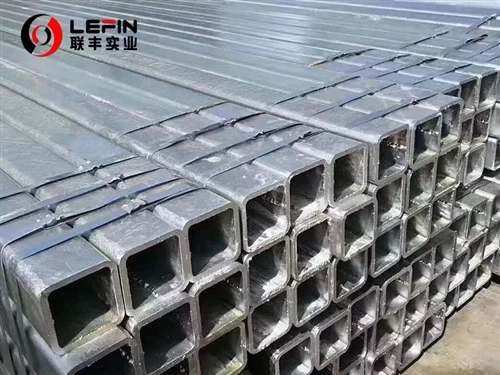
For construction products, the Construction Products Regulation (CPR) 305/2011 outlines the health, safety, performance, and consistency standards that must be met. Products such as cement, glass, pipes, and doors must obtain the CE Mark to be sold in the EU. The process involves identifying harmonized standards, defining product performance characteristics, and compiling a technical file, including test results and a Declaration of Performance.
Conclusion
CE Marking is a critical requirement for products sold in the European Economic Area. It ensures compliance with EU safety, health, and environmental standards, facilitating market access and consumer trust. Understanding the CE Marking process and adhering to relevant directives and standards is essential for manufacturers and importers looking to enter or expand within the European market.