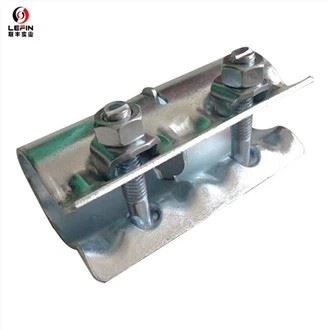
Scaffolding tubes are essential components in the construction industry, providing the framework for safe and stable working platforms at elevated heights. As a scaffolding tube supplier, I have in - depth knowledge of the various materials used to manufacture these crucial tubes. In this blog, I will explore the common materials for scaffolding tubes, their characteristics, advantages, and applications.
Steel
Steel is by far the most widely used material for scaffolding tubes. It is favored for its high strength, durability, and versatility.
Carbon Steel
Carbon steel is a popular choice due to its relatively low cost and good mechanical properties. It contains carbon as the main alloying element, with small amounts of other elements such as manganese, silicon, and sulfur. The carbon content in carbon steel typically ranges from 0.05% to 2.0%.
Low - carbon steel (with carbon content less than 0.3%) is often used for scaffolding tubes. It is easy to form and weld, making it suitable for mass - production. These tubes can withstand significant loads and are resistant to deformation under normal working conditions. For example, in large - scale building construction projects like high - rise apartments or commercial buildings, carbon steel scaffolding tubes provide the necessary structural support.
High - carbon steel, on the other hand, has greater strength but is more brittle. It is less commonly used for scaffolding tubes because of the risk of cracking under impact or excessive stress.
Alloy Steel
Alloy steel scaffolding tubes are created by adding other elements such as chromium, nickel, molybdenum, or vanadium to carbon steel. These alloying elements enhance the tube's properties, including strength, hardness, and corrosion resistance.
For instance, stainless steel, a type of alloy steel with a high chromium content (usually at least 10.5%), is highly resistant to rust and corrosion. This makes it an ideal choice for scaffolding in coastal areas or environments with high humidity and chemical exposure. Stainless steel scaffolding tubes can be found in projects near the sea, such as ports and beachfront resorts.
Another type of alloy steel is manganese steel, which has excellent wear resistance and toughness. Manganese steel scaffolding tubes are suitable for heavy - duty applications, such as in bridge construction where the scaffolding needs to support large - scale equipment and heavy loads.
Aluminum
Aluminum is another material used for scaffolding tubes, especially in applications where weight is a critical factor.
Aluminum scaffolding tubes are lightweight, which makes them easy to transport and install. This is particularly beneficial for projects in remote locations or areas with limited access, such as mountainous regions or historical buildings where the structure may not be able to support heavy steel scaffolding.
Aluminum also has good corrosion resistance. It forms a thin oxide layer on its surface, which protects it from further oxidation and rust. However, aluminum is generally less strong than steel. Therefore, it is more commonly used in light - duty scaffolding applications, such as in painting or maintenance work on low - rise buildings.
Fiberglass
Fiberglass scaffolding tubes are a relatively new option in the market. They are made of glass fibers embedded in a resin matrix.
Fiberglass tubes are non - conductive, which makes them an excellent choice for electrical work or projects near power lines. They are also resistant to chemicals and corrosion, suitable for use in chemical plants or other corrosive environments.
However, fiberglass scaffolding tubes are more expensive than steel or aluminum tubes. They also have lower strength compared to steel, so they are typically used in applications where the load requirements are relatively low.
Comparison of Different Materials
When choosing the material for scaffolding tubes, several factors need to be considered, including strength, weight, cost, and corrosion resistance.
| Material | Strength | Weight | Cost | Corrosion Resistance |
|---|---|---|---|---|
| Steel | High | Heavy | Moderate - High | Varies (good in alloy steel, poor in carbon steel without coating) |
| Aluminum | Moderate | Light | Moderate | Good |
| Fiberglass | Low - Moderate | Moderate | High | Excellent |
Applications and Availability
Each type of scaffolding tube material has its own set of applications based on its properties. As a scaffolding tube supplier, I offer a wide range of products to meet different customer needs.
We have Japan Scaffolding Pipe, which is known for its high - quality steel and precise manufacturing. These pipes are suitable for various construction projects, from small - scale residential buildings to large - scale industrial facilities.
Our Vietnam 3.2mm Scaffolding Pipe is made of high - strength steel and has a thickness of 3.2mm, providing reliable support for medium - to heavy - duty scaffolding applications.
The EN39 Scaffolding Pipe meets European standards, ensuring its quality and performance. It is a popular choice for international construction projects.


Conclusion
In conclusion, the choice of scaffolding tube material depends on the specific requirements of the construction project. Steel is the most common choice due to its high strength and durability, while aluminum is preferred for its lightweight nature. Fiberglass offers unique advantages in non - conductive and corrosive environments.
As a scaffolding tube supplier, I am committed to providing high - quality products made from the best materials. Whether you are working on a small renovation project or a large - scale construction site, I can offer the right scaffolding tubes to meet your needs. If you are interested in our scaffolding tube products, please feel free to contact me for more information and to discuss your procurement requirements. I look forward to working with you on your next project.
References
- "Construction Materials: Properties, Specifications, and Selection" by Kosmatka, Steven H., and Wilson, Michael L.
- "Scaffolding Handbook" by John W. Tomlinson.