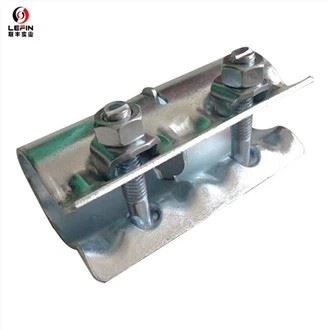
Well, if you're in the construction game, you know how crucial scaffolding tubes are. They're like the unsung heroes, holding up the whole show while staying in the background. As a scaffolding tube supplier, I get asked a lot about the weight of a typical scaffolding tube. It's not a one - size - fits - all answer, so let's dive right in.
First off, the weight of a scaffolding tube depends on a few key factors. The most important ones are the material it's made from, its length, and its diameter. In the construction world, the two most common materials for scaffolding tubes are steel and aluminum.
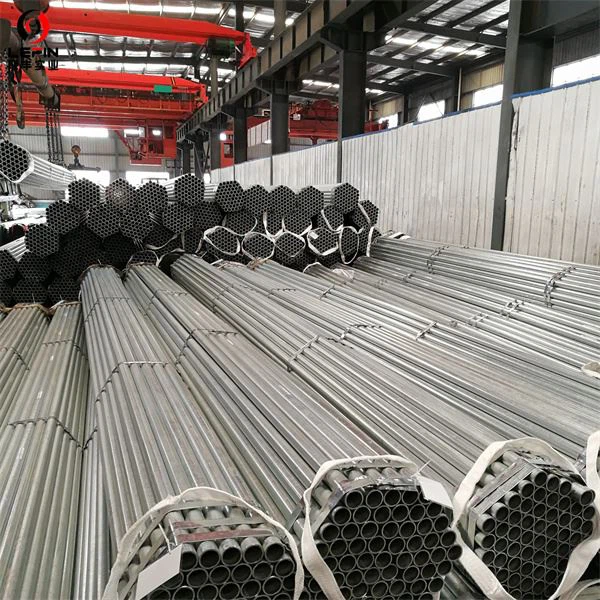
Let's start with steel. Steel scaffolding tubes are incredibly popular because they're strong and durable. They can handle a lot of weight and are resistant to wear and tear. A standard steel scaffolding tube usually has an outer diameter of around 48.3mm, which is pretty much the industry norm. Now, the thickness of the tube wall can vary, but a common thickness is about 3.2mm.
For a 6 - meter long, 48.3mm diameter, 3.2mm thick steel scaffolding tube, the weight is approximately 21.7 kilograms. This weight might not seem like much at first glance, but when you're building a large scaffolding structure, these tubes really start to add up. You've got to factor in how many you're going to need and how you're going to transport and install them.
If you're interested in a 3.2mm High Yield Galvanised Tube, this type of tube is coated to prevent rust and corrosion, which is a huge plus for long - term use. The weight of these galvanized tubes is similar to regular steel tubes, but the coating adds a tiny bit of extra heft.
Now, onto aluminum scaffolding tubes. Aluminum is lighter than steel, which makes it a great choice if you need to move the scaffolding around a lot or if you're working on a project where weight is a major concern. A typical aluminum scaffolding tube with the same 48.3mm outer diameter and a similar wall thickness will weigh about half as much as a steel tube of the same size. So, that 6 - meter long aluminum tube might weigh around 10 - 11 kilograms.
The advantage of the lighter weight is obvious. It's easier to transport, and the installation process is quicker and less physically demanding. However, aluminum tubes might not be as strong as steel tubes, so they're better suited for smaller - scale projects or situations where the load requirements aren't too high.
Another thing that affects the weight is the length of the tube. Scaffolding tubes come in various lengths, usually anywhere from 1.5 meters to 6 meters. It's a no - brainer that the longer the tube, the heavier it'll be. You've got to think about how long the tubes need to be for your project because you don't want to be hauling around a bunch of extra weight if you don't need to.
Let's talk about some specific applications. If you're working on a high - rise building, you'll probably opt for steel scaffolding tubes. They can handle the heavy loads from tools, materials, and workers. The weight of these tubes is a small price to pay for the stability and strength they provide.
On the other hand, if you're working on a small - scale renovation project, like a home remodel, aluminum tubes could be the way to go. They're easier to maneuver around tight spaces, and you won't break your back moving them around.
As a supplier, I've got both Galvanised Scaffold Pipe and Ghana Scaffolding Pipe in different sizes and materials. Whether you need a few tubes for a DIY project or a whole truckload for a big construction site, I've got you covered.
When it comes to choosing the right scaffolding tubes, it's not just about the weight. You also need to think about the load capacity, the quality of the material, and the cost. Steel tubes might be heavier, but they're often more cost - effective in the long run because they last longer. Aluminum tubes are more expensive upfront but can save you money on transportation and labor costs.

I know it can be a bit overwhelming trying to figure out what's best for your project. That's why I'm here to help. I can give you advice based on my experience and the specific needs of your job. If you're not sure how many tubes you need or what size and material would work best, just drop me a line.
Whether you're a professional builder or a DIY enthusiast, having the right scaffolding tubes is essential. They can make your project safer, easier, and more efficient. So, don't hesitate to reach out if you've got any questions or if you're ready to place an order. I'm always happy to chat and help you find the perfect scaffolding tubes for your needs.
References
- Construction Materials Handbook: Covers general information about scaffolding tube materials and properties.
- Industry - specific trade magazines: Provides real - world case studies and current trends in scaffolding tube usage.