As a dedicated supplier of EN10217 Steel Pipe, I often encounter inquiries regarding the technical specifications of our products, especially the maximum sulfur content. Sulfur is a common impurity in steel, and its content can significantly affect the mechanical properties and quality of the steel pipe. In this blog, I will delve into the details of the maximum sulfur content allowed in EN10217 steel pipe, its implications, and how it relates to the overall performance of the pipe.
Understanding EN10217 Steel Pipe
EN10217 is a European standard that specifies the technical delivery conditions for welded steel tubes for pressure purposes. These pipes are widely used in various industries, including oil and gas, power generation, and construction. The standard covers different types of steel pipes, such as seamless and welded pipes, with specific requirements for chemical composition, mechanical properties, and dimensional tolerances.
The chemical composition of EN10217 steel pipe is carefully regulated to ensure its quality and performance. Sulfur is one of the elements that are strictly controlled, as it can have a detrimental effect on the steel's properties. High sulfur content can lead to reduced ductility, increased brittleness, and poor weldability, which can compromise the integrity of the pipe in service.
Maximum Sulfur Content in EN10217 Steel Pipe
According to the EN10217 standard, the maximum sulfur content allowed in the steel pipe depends on the specific grade and type of the pipe. Generally, the sulfur content is limited to a maximum of 0.035% for most grades of EN10217 steel pipe. However, for some high-quality grades or special applications, the maximum sulfur content may be even lower, typically around 0.025% or less.
The strict control of sulfur content is essential to ensure the quality and performance of the EN10217 steel pipe. By limiting the sulfur content, the steel manufacturer can improve the pipe's ductility, toughness, and weldability, making it more suitable for use in demanding applications. Additionally, low sulfur content can also enhance the pipe's resistance to corrosion and cracking, which can extend its service life and reduce maintenance costs.
Implications of Sulfur Content on Steel Pipe Performance
The sulfur content in EN10217 steel pipe can have several implications for its performance. As mentioned earlier, high sulfur content can lead to reduced ductility and increased brittleness, which can make the pipe more prone to cracking and failure under stress. This is particularly important in applications where the pipe is subjected to high pressures, temperatures, or mechanical loads.
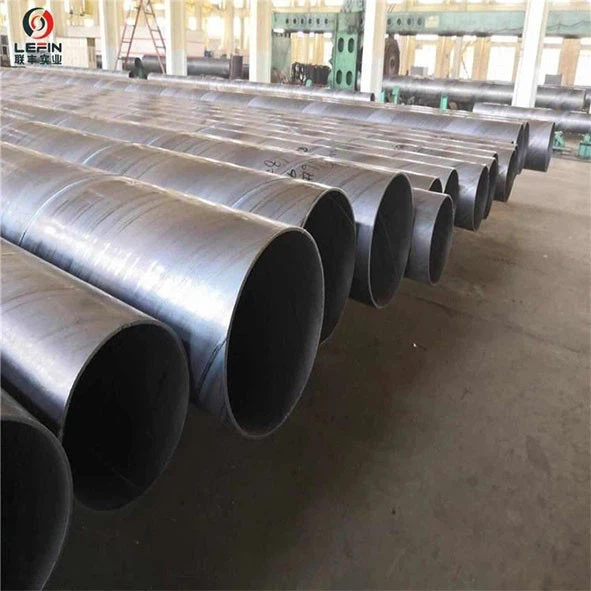

In addition to its effect on mechanical properties, sulfur can also affect the weldability of the steel pipe. High sulfur content can cause hot cracking during the welding process, which can weaken the weld joint and reduce its strength. This can be a significant issue in applications where the pipe needs to be welded, such as in pipeline construction or structural applications.
Furthermore, sulfur can also have an impact on the corrosion resistance of the steel pipe. High sulfur content can promote the formation of sulfide inclusions, which can act as sites for corrosion initiation and propagation. This can lead to premature corrosion and failure of the pipe, especially in corrosive environments such as seawater or acidic soils.
Controlling Sulfur Content in EN10217 Steel Pipe
To ensure that the EN10217 steel pipe meets the required sulfur content limits, steel manufacturers employ various techniques and processes. One of the most common methods is desulfurization, which involves removing sulfur from the molten steel before it is cast into pipes. This can be achieved through the use of desulfurizing agents, such as lime or magnesium, which react with the sulfur in the steel to form sulfides that can be removed from the molten metal.
In addition to desulfurization, steel manufacturers also carefully control the raw materials used in the production of the steel pipe. By using high-quality iron ore and scrap metal with low sulfur content, the manufacturer can reduce the amount of sulfur introduced into the steel during the melting process. Furthermore, strict quality control measures are implemented throughout the production process to ensure that the sulfur content in the final product meets the required specifications.
Our Commitment to Quality
As a supplier of EN10217 Steel Pipe, we are committed to providing our customers with high-quality products that meet or exceed the industry standards. We work closely with our steel manufacturers to ensure that the EN10217 steel pipe we supply has the appropriate sulfur content and other chemical composition requirements. Our quality control team conducts rigorous inspections and tests on every batch of pipes to ensure their quality and compliance with the relevant standards.
We also offer a wide range of EN10217 steel pipe products to meet the diverse needs of our customers. Whether you need pipes for oil and gas pipelines, power plants, or construction projects, we have the expertise and resources to provide you with the right solution. Our products are available in various sizes, wall thicknesses, and grades, and we can also customize the pipes to meet your specific requirements.
Related Products and Applications
In addition to EN10217 steel pipe, we also supply other types of steel pipes, such as ASTM A53 SSAW STEEL PIPE and Pipe Pile. These products are also widely used in various industries and applications, and they offer similar benefits in terms of quality, performance, and reliability.
ASTM A53 SSAW steel pipe is a popular choice for low-pressure applications, such as water and gas pipelines, structural supports, and general engineering purposes. It is available in both seamless and welded forms, and it offers good mechanical properties and corrosion resistance.
Pipe piles are used in foundation construction to support heavy structures, such as buildings, bridges, and offshore platforms. They are typically made of high-strength steel and are designed to withstand high axial and lateral loads. Our pipe piles are manufactured to strict quality standards and are available in various sizes and lengths to meet your specific project requirements.
Contact Us for Your Steel Pipe Needs
If you are in the market for high-quality EN10217 steel pipe or other steel pipe products, we invite you to contact us for more information. Our team of experts is ready to assist you in selecting the right product for your application and providing you with competitive pricing and excellent customer service. Whether you are a small contractor or a large corporation, we can meet your steel pipe needs and help you achieve your project goals.
References
- EN10217 - Technical delivery conditions for welded steel tubes for pressure purposes
- ASTM A53 - Standard Specification for Pipe, Steel, Black and Hot-Dipped, Zinc-Coated, Welded and Seamless