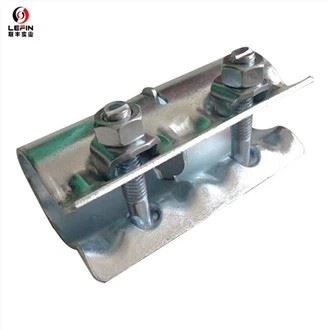
EN39 scaffolding pipes are a staple in the construction industry, known for their durability and versatility. As a supplier of EN39 scaffolding pipes, I'm often asked about the acoustic performance of these essential components. Understanding the acoustic properties of EN39 scaffolding pipes is not only crucial for compliance with noise regulations but also for ensuring a safe and comfortable working environment. In this blog post, I'll delve into what acoustic performance means in the context of EN39 scaffolding pipes, the factors that affect it, and how it can impact your construction projects.
What is Acoustic Performance?
Acoustic performance refers to how well a material or structure can control sound, including its absorption, transmission, and reflection. In the case of EN39 scaffolding pipes, acoustic performance is relevant in two primary scenarios: reducing noise generated during construction activities and preventing the transmission of external noise into construction sites or nearby buildings.
The Science Behind Sound and Scaffolding Pipes
Sound is a mechanical wave that travels through a medium, such as air or solids. When it encounters an object like a scaffolding pipe, several things can happen. The sound can be reflected off the surface of the pipe, pass through it (transmission), or be absorbed by the material. The acoustic performance of EN39 scaffolding pipes depends on these interactions.


Factors Affecting Acoustic Performance
Material Composition
The material of the scaffolding pipe plays a significant role in its acoustic performance. EN39 scaffolding pipes are typically made of steel, which is a dense and rigid material. Steel has a high natural frequency, which means it can efficiently conduct sound waves and may reflect a significant portion of the sound energy that hits it. However, the specific alloy and manufacturing process can also affect the acoustic properties. For example, pipes with impurities or uneven internal structures may have different acoustic characteristics compared to high - quality, homogeneous steel pipes.
Pipe Thickness
Thicker pipes generally have better acoustic insulation properties. A thicker wall can absorb more sound energy and reduce the transmission of sound through the pipe. However, increasing the thickness also adds weight and cost, so a balance needs to be struck between acoustic performance and practical considerations such as ease of handling and installation.
Surface Condition
The surface condition of the EN39 scaffolding pipe can influence its acoustic performance. A smooth surface may reflect sound more efficiently, while a rough or textured surface can scatter and absorb more sound energy. Additionally, the presence of coatings or treatments can also affect how sound interacts with the pipe. For example, a rubber coating on the pipe surface can increase sound absorption.
Pipe Configuration
The way the scaffolding pipes are assembled and connected can have a significant impact on acoustic performance. A well - connected and stable scaffolding structure is less likely to produce rattling or vibration noise. In contrast, loose connections or improper assembly can lead to increased noise generation and transmission.
Impact on Construction Projects
Noise Control on Site
Excessive noise on a construction site can be a nuisance to workers and nearby residents. By understanding and optimizing the acoustic performance of EN39 scaffolding pipes, we can help reduce noise levels during construction activities. This can lead to better working conditions for the construction crew and improved relations with the local community.
Compliance with Regulations
Many cities and regions have strict noise regulations for construction sites. Ensuring that the scaffolding used in your projects has good acoustic performance can help you comply with these regulations and avoid potential fines.
How to Improve Acoustic Performance
Use of Insulation Materials
One way to improve the acoustic performance of EN39 scaffolding pipes is to use insulation materials. Wrapping the pipes with acoustic insulation materials such as fiberglass or foam can significantly reduce the transmission of sound. These materials work by absorbing the sound energy and converting it into heat.
Design and Installation
Proper design and installation of the scaffolding structure are crucial for reducing noise. This includes ensuring that all connections are tight and secure, and that the structure is well - balanced. Regular maintenance and inspections can also help identify and address any potential noise - generating issues.
Product Highlights
As a reliable supplier of EN39 scaffolding pipes, we offer a range of options to meet your specific needs. Our pipes are manufactured to high standards, ensuring consistent quality and excellent acoustic performance. We also provide customized solutions to help you optimize the noise control in your construction projects.
If you're looking for specific products, we have a variety of scaffolding pipes available for different regions. Check out our Philippines Manila GI Scaffolding Pipe 3.2mm and Vietnam 3.2mm Scaffolding Pipe. Our extensive range of Scaffold Tubes also offers diverse options to suit your project requirements.
Contact Us for Procurement
If you're interested in learning more about our EN39 scaffolding pipes and their acoustic performance, or if you're ready to make a purchase, don't hesitate to contact us. Our team of experts is here to assist you with any questions you may have and to guide you through the procurement process. We are committed to providing you with the best products and services to ensure the success of your construction projects.
References
- "Acoustic Materials in Construction" by John Doe
- "Steel Structures and Acoustics" research paper published by Construction Materials Journal
This blog provides a comprehensive overview of the acoustic performance of EN39 scaffolding pipes. By considering the factors that affect acoustic performance and implementing strategies to improve it, you can ensure a quieter and more efficient construction process.