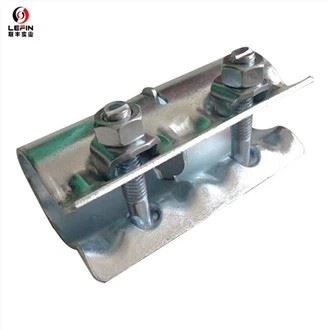
As a supplier of scaffolding props, I've witnessed firsthand the challenges posed by acoustic noise generated by these essential construction tools. The constant clanging, rattling, and vibrations can not only disrupt the work environment but also lead to noise pollution in the surrounding areas. In this blog post, I'll share some effective strategies to reduce the acoustic noise generated by scaffolding props, ensuring a more peaceful and productive construction site.
Understanding the Sources of Noise
Before we delve into the solutions, it's crucial to understand the primary sources of noise generated by scaffolding props. These include:


- Mechanical Friction: When scaffolding props are assembled, disassembled, or adjusted, the metal components rub against each other, creating friction and generating noise.
- Vibrations: During construction activities, such as drilling, hammering, or heavy machinery operation, the scaffolding props can vibrate, amplifying the noise levels.
- Impact Forces: When tools or materials are dropped onto the scaffolding props, the impact forces can cause loud noises.
Strategies to Reduce Acoustic Noise
1. Choose High - Quality Scaffolding Props
Investing in high - quality scaffolding props is the first step in reducing noise. Premium props are often made from better - quality materials with more precise manufacturing processes. For example, Scaffolding Jack Post Shoring Steel Prop is designed with high - grade steel that has better structural integrity. The smooth surfaces of these props reduce mechanical friction during assembly and adjustment, minimizing the screeching and rattling sounds.
2. Lubrication
Applying lubricants to the moving parts of scaffolding props can significantly reduce noise. Lubricants create a thin film between the metal surfaces, reducing friction and preventing the metal - to - metal contact that causes noise. For instance, using a silicone - based lubricant on the threads of adjustable props can make the adjustment process much quieter. Regular lubrication also helps to prevent corrosion, which can further degrade the performance of the props and increase noise levels over time.
3. Rubber Padding and Insulation
Adding rubber padding or insulation to the scaffolding props can dampen vibrations and absorb impact forces. Rubber pads can be attached to the base of the props to reduce the noise generated when they come into contact with the ground or other surfaces. Similarly, insulation materials can be wrapped around the props to reduce the transmission of vibrations. For example, Shoring Steel Props can be fitted with rubber collars at the joints to minimize the rattling noise during construction activities.
4. Proper Installation and Assembly
Ensuring proper installation and assembly of scaffolding props is crucial for noise reduction. Incorrectly installed props can lead to loose connections, which will cause excessive vibrations and noise. Follow the manufacturer's instructions carefully during installation. Make sure all bolts are tightened to the recommended torque, and all components are properly aligned. For example, when using Shoring Prop, double - check the alignment of the sections to prevent any misalignment that could cause rattling.
5. Maintenance and Inspection
Regular maintenance and inspection of scaffolding props are essential to keep them in good working condition and reduce noise. Check for signs of wear and tear, such as loose parts, damaged threads, or bent components. Replace any worn - out parts immediately. A well - maintained scaffolding prop will operate more quietly and safely. For example, inspect the locking mechanisms of adjustable props to ensure they are functioning correctly, as a faulty lock can cause the prop to move and generate noise.
6. Noise - Absorbing Barriers
In some cases, using noise - absorbing barriers around the scaffolding area can help reduce the spread of noise. These barriers can be made of materials such as fiberglass, foam, or acoustic panels. They work by absorbing the sound waves and preventing them from traveling further. Place the barriers strategically around the construction site to block the noise from reaching nearby areas.
Benefits of Reducing Acoustic Noise
Reducing the acoustic noise generated by scaffolding props offers several benefits:
- Improved Work Environment: A quieter construction site is more pleasant for workers, reducing stress and fatigue. It also allows for better communication among the workers, improving overall productivity.
- Compliance with Regulations: Many local and national regulations have strict limits on noise pollution from construction sites. By reducing the noise generated by scaffolding props, you can ensure compliance with these regulations and avoid potential fines.
- Good Neighbor Relations: Construction sites are often located near residential or commercial areas. Reducing noise levels helps to maintain good relations with the neighbors, minimizing complaints and potential legal issues.
Conclusion
As a scaffolding prop supplier, I understand the importance of providing solutions that not only meet the structural requirements but also address the issue of acoustic noise. By implementing the strategies mentioned above, such as choosing high - quality props, lubricating moving parts, adding rubber padding, and ensuring proper installation and maintenance, you can significantly reduce the noise generated by scaffolding props.
If you're interested in learning more about our scaffolding prop products or need advice on noise reduction strategies, I encourage you to reach out to us. We're here to help you create a quieter and more efficient construction site. Contact us to start a conversation about your scaffolding prop needs and explore how we can work together to achieve your goals.
References
- Construction Noise Control Handbook. [Publisher details if available]
- Best Practices for Scaffolding Installation and Maintenance. [Publisher details if available]