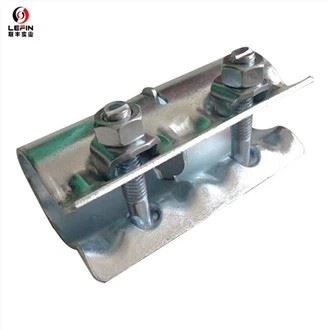
Hey there! I'm a supplier of Scaffold Planks, and I've seen my fair share of cracked planks over the years. It's a real headache, not just for us suppliers but for construction workers and contractors too. A cracked scaffold plank can be a safety hazard, and it can also lead to costly replacements. So, in this blog, I'm gonna share some tips on how to prevent scaffold planks from cracking.
Understanding the Causes of Cracking
Before we dive into prevention methods, it's important to understand why scaffold planks crack in the first place. There are several factors that can contribute to cracking, including:
- Overloading: One of the most common causes of cracking is overloading. Scaffold planks are designed to support a certain amount of weight, and if that weight limit is exceeded, the planks can crack or even break. It's crucial to always check the weight capacity of the planks and make sure not to overload them.
- Weather Conditions: Exposure to extreme weather conditions can also cause scaffold planks to crack. For example, if the planks are left outside in the rain or snow for extended periods, they can absorb moisture, which can lead to swelling and cracking. Similarly, extreme heat can cause the planks to dry out and become brittle, making them more prone to cracking.
- Improper Installation: If the scaffold planks are not installed correctly, they can be subjected to uneven stress, which can cause cracking. For example, if the planks are not properly supported or if they are not secured tightly, they can shift and move, leading to cracks.
- Age and Wear: Over time, scaffold planks can naturally wear out and become more prone to cracking. This is especially true if the planks are used frequently or if they are exposed to harsh conditions.
Prevention Methods
Now that we understand the causes of cracking, let's take a look at some prevention methods that can help keep your scaffold planks in good condition.
1. Choose the Right Planks
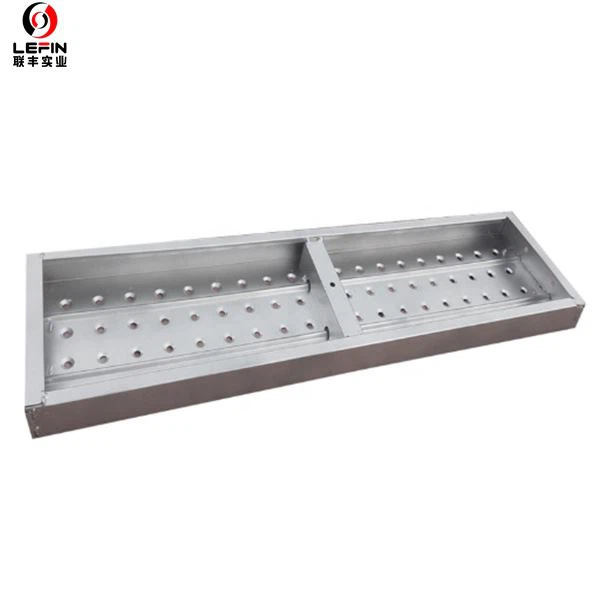
The first step in preventing cracking is to choose the right scaffold planks for your project. There are several types of scaffold planks available, including Metal Decks, Metal Board, and Saudi Arabia Steel Boards. Each type of plank has its own advantages and disadvantages, so it's important to choose the one that is best suited for your specific needs.
For example, metal planks are generally more durable and resistant to cracking than wooden planks. They are also less likely to absorb moisture, which can help prevent swelling and cracking. However, metal planks can be more expensive than wooden planks, so you'll need to weigh the cost against the benefits.

2. Follow the Weight Capacity Guidelines
As I mentioned earlier, overloading is one of the most common causes of cracking. To prevent this, it's important to always follow the weight capacity guidelines for your scaffold planks. These guidelines are usually printed on the planks or provided by the manufacturer, so make sure to check them before using the planks.
In addition to following the weight capacity guidelines, it's also a good idea to distribute the weight evenly across the planks. This can help prevent uneven stress, which can lead to cracking.
3. Protect the Planks from the Elements
To prevent cracking caused by weather conditions, it's important to protect the scaffold planks from the elements. If possible, store the planks indoors when they are not in use. If you need to leave the planks outside, make sure to cover them with a waterproof tarp to protect them from rain and snow.
In addition to protecting the planks from moisture, it's also important to protect them from extreme heat. If the planks are exposed to direct sunlight for extended periods, they can dry out and become brittle, making them more prone to cracking. To prevent this, you can use a shade cloth or other type of covering to protect the planks from the sun.
4. Install the Planks Correctly
Proper installation is crucial for preventing cracking. Make sure to follow the manufacturer's instructions when installing the scaffold planks, and use the appropriate tools and hardware. The planks should be properly supported and secured to prevent shifting and movement.
In addition to following the installation instructions, it's also a good idea to inspect the planks regularly to make sure they are still in good condition. If you notice any signs of damage or wear, such as cracks or splinters, replace the planks immediately.
5. Maintain the Planks Regularly
Regular maintenance is essential for keeping the scaffold planks in good condition. Make sure to clean the planks regularly to remove dirt, debris, and other contaminants. You can use a mild detergent and water to clean the planks, and then rinse them thoroughly with clean water.
In addition to cleaning the planks, it's also a good idea to inspect them regularly for signs of damage or wear. If you notice any cracks or other signs of damage, replace the planks immediately to prevent further damage.
Conclusion
Preventing scaffold planks from cracking is essential for ensuring the safety and efficiency of your construction project. By choosing the right planks, following the weight capacity guidelines, protecting the planks from the elements, installing the planks correctly, and maintaining the planks regularly, you can help keep your scaffold planks in good condition and prevent cracking.
If you have any questions or need more information about scaffold planks, please don't hesitate to contact us. We're here to help you find the right planks for your project and ensure that they are installed and maintained correctly.
References
- Manufacturer's instructions for scaffold planks
- Industry standards and guidelines for scaffold plank installation and use
- Research studies on the causes and prevention of scaffold plank cracking