As a seasoned scaffold supplier, I understand the critical importance of safety when it comes to scaffolding. A thorough safety inspection is not just a regulatory requirement; it's a moral obligation to ensure the well - being of workers and the public. In this blog, I'll share my insights on how to inspect a scaffold for safety.
Pre - Inspection Preparations
Before you even start the physical inspection of the scaffold, there are several preparatory steps that you need to take. First and foremost, gather all the necessary documentation. This includes the design plans of the scaffold, which should detail its intended use, load - bearing capacity, and the materials used. Make sure that the scaffold was designed by a qualified engineer and that the plans comply with all relevant safety standards, such as the ones set by OSHA in the United States or similar regulatory bodies in other countries.
Next, assemble the right tools for the inspection. You'll need a measuring tape to check the dimensions of the scaffold components, a torque wrench to verify the tightness of bolts and nuts, and a visual inspection mirror to examine hard - to - reach areas. It's also a good idea to have a notebook and pen to record your findings during the inspection.
Visual Inspection
The visual inspection is the first and most basic step in assessing the safety of a scaffold. Start by looking at the overall structure of the scaffold. Check for any signs of damage, such as bent or broken tubes. Bent tubes can significantly reduce the load - bearing capacity of the scaffold and increase the risk of collapse. If you notice any bent tubes, they should be replaced immediately.
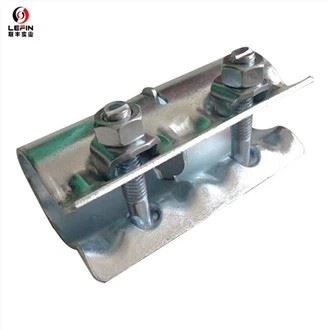
Inspect the connections between the scaffold components. The joints should be secure and properly aligned. Loose connections can cause the scaffold to become unstable, especially when under load. Look for missing or damaged pins, clamps, or bolts. For example, if a clamp is not tightened correctly, it may not be able to hold the tubes in place, leading to potential movement or failure of the structure.
Examine the base of the scaffold. It should be on a stable and level surface. Uneven ground can cause the scaffold to tilt, which is extremely dangerous. If the base is on soft ground, make sure that proper base plates or mud sills are used to distribute the weight evenly. Also, check for any signs of settlement or sinking of the base.
Inspect the guardrails and toe boards. Guardrails are essential for preventing falls from the scaffold. They should be at the correct height (usually around 42 inches) and securely attached to the scaffold. Toe boards, which are placed at the bottom of the guardrails, help prevent tools and materials from falling off the scaffold. They should be in good condition and properly installed.
Structural Integrity Check
After the visual inspection, it's time to perform a more in - depth structural integrity check. Use a measuring tape to verify the dimensions of the scaffold components. The tubes should have the correct diameter and wall thickness as specified in the design plans. Deviations from the specified dimensions can affect the strength of the scaffold.
Check the load - bearing capacity of the scaffold. Make sure that the loads placed on the scaffold do not exceed its designed capacity. This includes the weight of workers, tools, and materials. Overloading a scaffold is one of the leading causes of scaffold failures. You can refer to the design plans to determine the maximum allowable load for each section of the scaffold.
Use a torque wrench to check the tightness of bolts and nuts. Each connection should be tightened to the specified torque value. If the bolts are too loose, the connections may come apart under load. On the other hand, over - tightening can damage the components.
Component - Specific Inspections
EN39 Scaffolding
EN39 Scaffolding is a popular type of scaffolding system. When inspecting EN39 scaffolding, pay special attention to the unique features of this system. Check the locking mechanisms of the joints. These mechanisms are designed to ensure a secure connection between the tubes. Make sure that they are functioning properly and that there are no signs of wear or damage.
Inspect the diagonal braces. Diagonal braces are crucial for providing stability to the scaffold. They should be properly installed and in good condition. Look for any signs of bending or cracking in the diagonal braces.
Galvanized Steel Screw Scaffold Jack
Galvanized Steel Screw Scaffold Jack is used to adjust the height of the scaffold. Inspect the threads of the screw. They should be clean and free from damage. A damaged thread can prevent the jack from being adjusted properly or cause it to fail under load.


Check the base plate of the scaffold jack. It should be flat and in good condition. If the base plate is bent or damaged, it may not be able to distribute the weight evenly, leading to instability.
CHINA GI PIPE
CHINA GI PIPE is commonly used in scaffolding. Inspect the coating of the pipe. The galvanized coating is designed to protect the pipe from corrosion. Look for any signs of rust or damage to the coating. If the coating is damaged, the pipe may be more prone to corrosion, which can weaken the structure over time.
Check the ends of the pipe. They should be cut cleanly and without any burrs. Burrs can cause problems when connecting the pipes and may also pose a safety hazard to workers.
Post - Inspection Actions
Once you have completed the inspection, it's important to take appropriate actions based on your findings. If you identify any safety hazards, they should be addressed immediately. Minor issues, such as loose bolts, can be fixed on the spot. However, more serious problems, such as a bent tube or a damaged connection, may require the scaffold to be taken out of service until the repairs are made.
Keep a detailed record of the inspection. This record should include the date of the inspection, the name of the inspector, a description of the findings, and the actions taken. This documentation can be useful for future reference and in case of any safety audits or legal issues.
Conclusion
Inspecting a scaffold for safety is a comprehensive process that requires attention to detail and a good understanding of scaffold design and safety standards. By following the steps outlined in this blog, you can ensure that your scaffold is safe for use. At our company, we are committed to providing high - quality scaffolding products and ensuring the safety of our customers. If you are in the market for scaffolding products or have any questions about scaffold safety, we invite you to contact us for a procurement discussion. We have a team of experts who can assist you in selecting the right scaffolding for your needs and provide you with all the necessary information on safety inspections and maintenance.
References
- OSHA Scaffolding Standards. Occupational Safety and Health Administration.
- European Standards for Scaffolding (EN series). European Committee for Standardization.
- Manufacturer's Guidelines for Scaffolding Components.