When it comes to the construction and installation of pipelines, effectively connecting LSAW (Longitudinal Submerged Arc Welded) pipe sections is crucial. As a professional LSAW pipe supplier, I want to share comprehensive knowledge and practical tips on how to connect these pipe sections seamlessly to ensure the project's success.
Preparation Before Connection
-
Material Inspection
Before starting the connection process, a thorough inspection of the LSAW pipe sections is essential. Check the outer diameter, wall thickness, and length of the pipes to ensure they meet the design requirements. Any pipes with visible cracks, scratches, or other defects should be replaced. For instance, if you are using API5L X52 PSL1 ERW PIPE, make sure it adheres to the API standards. Also, confirm that the pipe materials are suitable for the intended application, considering factors like the fluid being transported (e.g., oil, gas, or water), pressure, and temperature conditions. -
Surface Cleaning
The surfaces of the pipe ends to be joined must be clean and free from rust, dirt, grease, and other contaminants. This can be achieved through mechanical cleaning methods, such as wire brushing or grinding, or chemical cleaning using appropriate solvents. Clean surfaces ensure better weld quality and a more reliable connection. For example, use a wire brush to remove any loose rust particles from the beveled edges of the pipes. Make sure to clean at least a 50 - 100 mm area around the end of the pipe. -
Beveling
Most LSAW pipe connections require beveling of the pipe ends. The bevel angle and root face are determined by the welding process and the pipe wall thickness. For single - V bevels, the typical bevel angle ranges from 30° to 37.5°, and the root face is usually 1 - 3 mm. Beveling can be done using mechanical beveling machines or cutting torches. A proper bevel allows for better penetration of the welding material and helps create a strong joint. For instance, in a larger - diameter pipe with a thick wall, a correct bevel is necessary to ensure full fusion during welding.

Connection Methods
- Welding Connection
- Submerged Arc Welding (SAW)
SAW is a common method for connecting large - diameter LSAW pipes. It offers high - quality welds, high deposition rates, and good mechanical properties. During the SAW process, the welding arc is submerged under a layer of granular flux, which protects the weld from atmospheric contamination. The flux also provides additional alloying elements to the weld, improving its strength and toughness. For China LSAW Steel Pipe, SAW is often used in the manufacturing and on - site connection processes to ensure reliable performance. - Shielded Metal Arc Welding (SMAW)
SMAW, also known as stick welding, is a versatile welding method that can be used in various field conditions. It is suitable for small - scale repairs and connections where portability is important. However, it has a lower deposition rate compared to SAW. When using SMAW to connect LSAW pipes, proper electrode selection is crucial. Electrodes should be compatible with the pipe material and the welding position. For example, in a pipeline project with limited access, SMAW can be a practical choice.
- Submerged Arc Welding (SAW)
- Flange Connection
Flange connection is a non - welded method that is easy to install and disassemble. It is suitable for locations where frequent maintenance is required. There are different types of flanges, such as weld - neck flanges, slip - on flanges, and blind flanges. The selection of the flange type depends on the pressure, temperature, and fluid characteristics of the pipeline. For example, in a high - pressure pipeline carrying corrosive fluids, weld - neck flanges are often preferred due to their high strength and good sealing performance. When installing flanges, make sure the bolt holes are properly aligned, and the gaskets are in good condition to prevent leakage. - Mechanical Coupling Connection
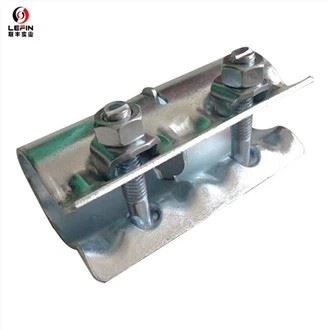
Mechanical coupling is a quick and easy way to connect LSAW pipe sections. It uses a coupling device to hold the pipes together. There are two main types of mechanical couplings: split - sleeve couplings and compression couplings. Split - sleeve couplings are suitable for pipes with smaller diameters, while compression couplings can be used for larger - diameter pipes. Mechanical couplings are often used in situations where fast installation is required, such as in emergency repair work. However, they may not be as strong as welded connections in high - pressure or high - temperature applications.
Quality Control During Connection
- Welding Quality Control
- Weld Inspection
After welding, non - destructive testing (NDT) methods are used to inspect the weld quality. Common NDT methods include ultrasonic testing (UT), radiographic testing (RT), magnetic - particle testing (MT), and liquid - penetrant testing (PT). UT can detect internal flaws in the weld, while RT can provide a clear image of the weld structure. MT is suitable for detecting surface and near - surface flaws in ferromagnetic materials, and PT is used for detecting open - surface flaws. For API5L PSL2 LSAW STEEL PIPE, strict NDT procedures are required to ensure compliance with API standards. - Weld Performance Testing
In addition to NDT, weld performance testing, such as tensile testing, bend testing, and impact testing, may also be carried out. Tensile testing measures the strength of the weld, bend testing checks the ductility of the weld, and impact testing evaluates the toughness of the weld under dynamic loading. These tests help ensure that the welded joints can withstand the design loads and environmental conditions.
- Weld Inspection
- Flange and Mechanical Coupling Quality Control
For flange connections, check the tightness of the bolts regularly. Make sure the flange faces are flat and the gaskets are properly installed to prevent leakage. For mechanical couplings, inspect the coupling device for any signs of damage or deformation. Check the bolts or other fasteners for proper tightening.
Special Considerations in Different Environments
- Corrosive Environments
In corrosive environments, such as offshore oil and gas platforms or chemical plants, additional corrosion protection measures are necessary. For welded connections, corrosion - resistant welding materials can be used. Protective coatings can also be applied to the pipes and welds to prevent corrosion. For example, epoxy coatings or polyethylene coatings can provide a good barrier against corrosion. In highly corrosive environments, cathodic protection systems may be installed to further protect the pipes. - Cold Environments
In cold environments, the low temperature can affect the mechanical properties of the pipes and welding materials. Special welding procedures and pre - heating are often required to prevent cold cracking. The pipes may also need to be insulated to maintain the temperature of the transported fluid. For example, in Arctic regions, pipelines are often buried underground with insulation layers to prevent heat loss.
Conclusion
Connecting LSAW pipe sections is a complex and crucial process that requires careful preparation, appropriate connection methods, strict quality control, and consideration of different environmental conditions. As a reliable LSAW pipe supplier, we are committed to providing high - quality pipes and professional technical support. If you are planning a pipeline project and need to purchase LSAW pipes or have any questions about pipe connection, feel free to contact us for further discussion and negotiation. We look forward to working with you to achieve a successful project.
References
- API 5L Specification for Line Pipe, American Petroleum Institute.
- Welding Handbook, American Welding Society.
- Pipeline Design and Construction Manual, various industry - related publishers.