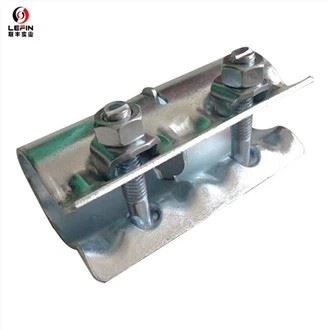
Hey there, fellow construction enthusiasts! As a supplier of all kinds of scaffolding couplers, I've seen firsthand how crucial it is to get the positioning of these little but mighty components just right. In this blog, I'm gonna share with you some tips and tricks on how to adjust the position of a scaffolding coupler like a pro.
Understanding the Basics of Scaffolding Couplers
Before we dive into the adjustment process, let's quickly touch on what scaffolding couplers are and why they're so important. Scaffolding couplers are used to connect scaffolding tubes together, creating a sturdy and stable structure. There are different types of couplers for different applications, such as Scaffolding Double Coupler, Board Retaining Coupler, and Drop Forged Fixed Girder Coupler. Each type has its own unique features and functions, but they all play a vital role in ensuring the safety and integrity of the scaffolding.
Tools You'll Need
To adjust the position of a scaffolding coupler, you'll need a few basic tools. Here's what you should have on hand:
- Spanner or Wrench: This is used to loosen and tighten the bolts on the coupler. Make sure you have the right size spanner for the bolts on your couplers.
- Measuring Tape: You'll need this to measure the distance between the tubes and ensure that the couplers are placed at the correct intervals.
- Level: A level is essential for making sure that the scaffolding is straight and level. This will help prevent any wobbling or instability.
Step-by-Step Guide to Adjusting the Position of a Scaffolding Coupler
Now that you have your tools ready, let's get started with the adjustment process. Here are the steps you should follow:
- Inspect the Coupler: Before you start making any adjustments, take a close look at the coupler to make sure it's in good condition. Check for any signs of damage or wear, such as cracks, rust, or loose bolts. If you notice any issues, replace the coupler immediately.
- Loosen the Bolts: Use your spanner or wrench to loosen the bolts on the coupler. Be careful not to loosen them too much, as this could cause the coupler to come off completely.
- Position the Coupler: Once the bolts are loose, you can start moving the coupler to the desired position. Use your measuring tape to measure the distance between the tubes and make sure the coupler is placed at the correct interval. You may also want to use a level to ensure that the scaffolding is straight and level.
- Tighten the Bolts: Once the coupler is in the correct position, use your spanner or wrench to tighten the bolts. Make sure they're tightened securely, but don't over-tighten them, as this could damage the coupler or the tubes.
- Check the Alignment: After tightening the bolts, double-check the alignment of the coupler and the tubes. Use your level to make sure the scaffolding is still straight and level. If necessary, make any further adjustments to the coupler's position.
Common Mistakes to Avoid
When adjusting the position of a scaffolding coupler, there are a few common mistakes that you should avoid. Here are some of them:


- Over-Tightening the Bolts: As I mentioned earlier, over-tightening the bolts can damage the coupler or the tubes. Make sure you tighten the bolts just enough to secure the coupler in place.
- Using the Wrong Size Spanner: Using the wrong size spanner can make it difficult to loosen or tighten the bolts, and it can also damage the bolts or the coupler. Always use the right size spanner for the bolts on your couplers.
- Not Checking the Alignment: It's important to check the alignment of the coupler and the tubes after making any adjustments. If the scaffolding is not straight and level, it could be unstable and pose a safety risk.
- Using Damaged Couplers: Using damaged couplers can compromise the safety and integrity of the scaffolding. Always inspect the couplers before using them, and replace any that are damaged or worn.
Tips for Safe and Effective Adjustment
To ensure a safe and effective adjustment of the scaffolding coupler, here are some additional tips:
- Follow the Manufacturer's Instructions: Different types of scaffolding couplers may have slightly different adjustment procedures. Always follow the manufacturer's instructions when adjusting the couplers.
- Wear Appropriate Safety Gear: When working with scaffolding, it's important to wear appropriate safety gear, such as hard hats, safety glasses, and gloves. This will help protect you from any potential hazards.
- Work with a Partner: Adjusting the position of a scaffolding coupler can be a two-person job. Working with a partner can make the process easier and safer, as you can help each other hold the tubes in place and tighten the bolts.
- Inspect the Scaffolding Regularly: Even after adjusting the couplers, it's important to inspect the scaffolding regularly for any signs of damage or wear. This will help ensure that the scaffolding remains safe and stable throughout its use.
Conclusion
Adjusting the position of a scaffolding coupler is an important task that requires careful attention to detail. By following the steps outlined in this blog and avoiding common mistakes, you can ensure that your scaffolding is safe and stable. Remember, if you have any questions or need further assistance, don't hesitate to reach out. As a scaffolding coupler supplier, we're here to help you with all your scaffolding needs. Whether you're a professional contractor or a DIY enthusiast, we have the right couplers for your project. So, if you're in the market for high-quality scaffolding couplers, feel free to contact us to start a procurement discussion. We look forward to working with you!
References
- General construction safety guidelines and best practices.
- Manufacturer's manuals for scaffolding couplers.