Can I use scaffold planks for a rooftop project?
When it comes to rooftop projects, one of the most common questions I encounter as a scaffold planks supplier is whether scaffold planks can be used for such endeavors. The answer to this question is not a simple yes or no; it depends on a variety of factors that I'll delve into in this blog post.
First and foremost, let's understand what scaffold planks are. Scaffold planks are horizontal platforms used in scaffolding systems to provide a stable working surface for construction workers. They come in different materials, including wood, metal, and fiberglass, each with its own set of characteristics and suitability for various applications.
Suitability of Scaffold Planks for Rooftop Projects
Load - Bearing Capacity
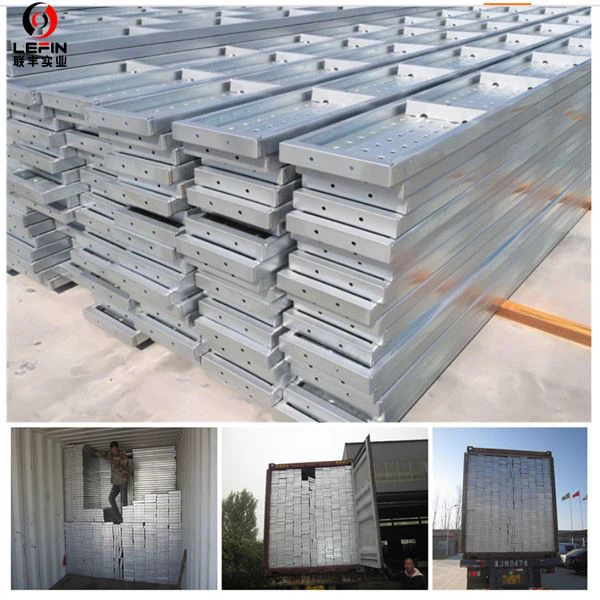
Rooftop projects often involve the movement of heavy equipment, materials, and multiple workers. Therefore, the load - bearing capacity of the scaffold planks is of utmost importance. Metal scaffold planks, such as Scaffold Metal Deck Plank and Scaffolding Steel Planks, generally have a higher load - bearing capacity compared to wooden planks. They can withstand heavy weights without significant deflection, making them a good choice for rooftop projects where heavy loads are expected.
Wooden planks, on the other hand, can also be used for rooftop projects, but their load - bearing capacity is more limited. They are more prone to damage from moisture, rot, and insect infestation, which can further reduce their strength over time. Fiberglass planks offer a good balance between strength and lightness, and they are also resistant to corrosion, making them suitable for rooftop projects in harsh environments.
Weather Resistance
Rooftop projects are exposed to the elements, including rain, snow, sunlight, and extreme temperatures. Metal scaffold planks are highly resistant to weathering. They do not rot or warp like wooden planks, and they can withstand the effects of UV radiation and moisture. Metal Board is an excellent example of a weather - resistant option for rooftop projects.
Wooden planks need to be treated properly to enhance their weather resistance. Even with treatment, they may still degrade over time due to exposure to the elements. Fiberglass planks are also weather - resistant and do not require as much maintenance as wooden planks in outdoor settings.
Safety Considerations
Safety is paramount in any construction project, especially on rooftops. Scaffold planks should have a non - slip surface to prevent workers from slipping and falling. Metal planks can be designed with a non - slip finish, such as a serrated or perforated surface, to improve traction. Wooden planks can be treated with non - slip coatings, but these may wear off over time.
The installation of scaffold planks on rooftops also requires careful planning. They need to be securely fastened to the scaffolding structure to prevent them from shifting or falling. Adequate guardrails and toe boards should be installed around the working area to provide additional protection for workers.
Installation and Maintenance
Installation
Installing scaffold planks on a rooftop requires proper equipment and techniques. The rooftop surface needs to be level and stable to support the scaffolding structure. The planks should be placed evenly and securely on the scaffolding frames, with proper overlapping and connection points.
For metal planks, they often come with pre - drilled holes or locking mechanisms that make installation easier and more secure. Wooden planks may require nails or screws for installation, and care must be taken to ensure that they are not over - tightened, which could cause splitting.
Maintenance
Regular maintenance of scaffold planks is essential to ensure their continued safety and performance. Metal planks should be inspected for signs of corrosion, dents, or cracks. Any damaged planks should be replaced immediately. Wooden planks need to be checked for rot, splintering, and loose fasteners. Fiberglass planks should be inspected for any signs of cracking or delamination.
Cost - Effectiveness
The cost of using scaffold planks for a rooftop project is another important consideration. Metal planks generally have a higher upfront cost compared to wooden planks, but they have a longer lifespan and require less maintenance, which can result in lower long - term costs. Wooden planks are more affordable initially, but the cost of treatment and replacement over time may add up.
Fiberglass planks are priced between metal and wooden planks. They offer a good combination of durability and cost - effectiveness, especially for projects where weather resistance and light weight are important factors.
Conclusion
In conclusion, scaffold planks can be used for rooftop projects, but the choice of planks depends on several factors, including load - bearing capacity, weather resistance, safety, installation, maintenance, and cost - effectiveness. Metal planks, such as Scaffold Metal Deck Plank, Metal Board, and Scaffolding Steel Planks, are often a preferred choice due to their high load - bearing capacity, weather resistance, and safety features. However, wooden and fiberglass planks can also be suitable options depending on the specific requirements of the project.
If you are planning a rooftop project and need advice on the best scaffold planks for your needs, feel free to reach out to us. We are a leading supplier of scaffold planks and can provide you with high - quality products and professional guidance. Contact us today to start a conversation about your procurement needs.

References
- Construction Safety Standards Handbook, 2023 Edition
- Guide to Scaffolding Materials and Installation, National Construction Association, 2022