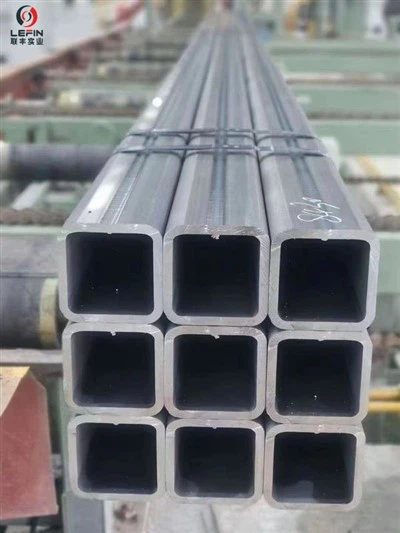
ASTM A572 standard
ASTM A572 is a specification for high-strength low-alloy (HSLA) structural steel, which is extensively utilized in diverse engineering applications. This is attributed to its exceptional mechanical properties and economical benefits.
Chemical Composition
| Chemical Requirements A | |||||||||
| (Heat Analysis) | |||||||||
| Diameter, Thickness, or Distance Between Paralle Faces,in. [mm] Plates and Bars |
Structura Shape Flange or Leg Thickness in. [mm] |
Grade | Silicon | ||||||
| Carbon, max,% |
Manganese, B max,% |
Phosphorus,I max,% |
Sulfur,I max, % |
Plates to 1 1/2in [40 mm]Thick, Shapes with Flange or Leg Thickness to 3 in. [75 mm] inclusive, Sheet Piling. Bars,Zees,and Rolled Tees C |
Plates Over 1 1/2in. [40 mm]Thick and Shapes with Flange Thickness Over 3 in. [75 mm] |
||||
| max,% | range,% | ||||||||
| 6[150] | all | 42 [290] | 0.21 | 1.35D | 0.030 | 0.030 | 0.40 | 0.15-0.40 | |
| 4[100] E | all | 50 [345] | 0.23 | 1.35D | 0.030 | 0.030 | 0.40 | 0.15-0.40 | |
| 2 1/2 [64] F |
all | 55 [380] | 0.25 | 1.35D | 0.030 | 0.030 | 0.40 | 0.15-0.40 | |
| 2 1/2 [64] F |
≤2 [50] | 60 [415] | 0.26 | 1.35D | 0.030 | 0.030 | 0.40 | 0.15-0.40 | |
| >1/2-2 [13-50] |
>1-2 [25-50] |
65 [450] | 0.23 | 1.65 | 0.030 | 0.030 | 0.40 | 0.15-0.40 | |
| ≤1/2[13] H | ≤1 | 65 [450] | 0.26 | 1.35D | 0.030 | 0.030 | 0.40 | G | |
| A Copper when specified shall have a minimum contentof 0.20%by heat analysis(0.18%by product analysis). | |||||||||
| B Manganese,minimum,by heat analysis of 0.80% (0.75%byproduct analysis)shall be required for all pates over 3/8in.[10mm]in thickness; a minimum of 0.50% (0.45% by prouct anaysis)shall be required for plates 3/8in.[10mm] and less in thickness,and for all other products.The manganese to carbon ratio shall not be less than 2 to 1. | |||||||||
| C Bars over 1 1/2in.[40 mm]in diameter,thickness,or distance between parallel faces shall be made by a killed steel practice. | |||||||||
| D For each reduction of 0.01 percentage point below the specfied carbon maximum,an increase of 0.06 percentage point manganese above the specfied maximum is permitted,up to a maximum of 1.60% | |||||||||
| E Round bars up to and including 11 in.[275 mm]in diameter are permitted. | |||||||||
| F Round bars up to and including 3 1/2in.[90 mm] in diameter are permitted. | |||||||||
| G The size and grade is not described in this specification. | |||||||||
| H An atemative chemical equirement with amaximum carbon of 0.21% and a maximum manganese of 1.65% is permited,with the balance of the elements as shown in Table 2. | |||||||||
| I Amaximum phosphorus content of 0.04%and a maximum sulfur content of 0.05% are permitted for the following materials: ·Structural shapes ·Sheet piling ·Bars ·Plates with widths up to andincluding 15 in.[380 mm] |
|||||||||
The alloy content of ASTM A572 steel typically includes the following elements:
- Carbon (C): Usually limited to a maximum of 0.26%. Carbon is a key element that increases the strength and hardness of the steel, but it also reduces ductility.
- Manganese (Mn): Ranges from 1.35% to 1.65%. Manganese is added to enhance the steel's strength and hardenability.
- Silicon (Si): Typically around 0.40%. Silicon contributes to the steel's strength and improves its resistance to scaling at high temperatures.
- Phosphorus (P) and Sulfur (S): Both are kept low, with maximum limits of 0.04% for phosphorus and 0.05% for sulfur. These elements are minimized to avoid brittleness and poor weldability.
- Columbium (Niobium), Vanadium, and Titanium: These elements are used in specific combinations to further enhance the steel's strength and toughness without significantly affecting its ductility. The use of these elements is optional and depends on the specific requirements of the application.
These alloying elements work together to provide ASTM A572 steel with its high strength, good weldability, and resistance to various environmental conditions, making it suitable for a wide range of structural applications such as construction, bridges, and heavy machinery.

Mechanical Properties
| Tensile Requirements A | ||||||
| Grade | Yield Point,min | Tensile Strength,min | Minimum Elongation,% B,C,D | |||
| ksi | [MPa] | ksi | [MPa] | in 8 in. [200 mm] |
in 2 in. [50 mm] |
|
| 42 [290] | 42 | [290] | 60 | [415] | 20 | 24 |
| 50 [345] | 50 | [345] | 65 | [450] | 18 | 21 |
| 55 [380] | 55 | [380] | 70 | [485] | 17 | 20 |
| 60 [415] | 60 | [415] | 75 | [520] | 16 | 18 |
| 65[450] | 65 | [450] | 80 | [550] | 15 | 17 |
| A See specimen orientation under the Tension Tests section of Specification A6/A6M:Specification for General Requirements for Rolled Structural Steel Bars, Plates, Shapes, and Sheet Pilling. | ||||||
| B Elongation not required to be determined for floor plate. | ||||||
| C For wideflange shapes over 426 lb/ft [634 kg/m],elongation in 2 in.[50 mm]of 19%minimum applies. | ||||||
| D For plates wider than 24in.[600 mm],the elongation requirement isreduced two percentage points for Grades 42,50,and 55 [290,345,and 380],and three percentage points for Grades 60 and 65[415 and 450].See elongation requirement adjustments in the Tension Tests section of Specification A6/A6M:Specification for General Requirements for Rolled Structural Steel Bars, Plates, Shapes, and Sheet Pilling. | ||||||
The mechanical properties of ASTM A572 steel vary by grade, with each grade offering different levels of strength and ductility:
- Yield Strength: Ranges from 290 MPa (42,000 psi) for Grade 42 to 450 MPa (65,000 psi) for Grade 65. This wide range allows the steel to be used in various structural applications with different load-bearing requirements.
- Tensile Strength: Varies from 420 MPa (60,000 psi) to 550 MPa (80,000 psi), depending on the grade. The higher tensile strength ensures the steel can withstand significant loads without breaking.
- Minimum Elongation: Ranges from 20% -15% for in 8 in. Ranges from 24% -17% for in 2 in. Reflects the steel's ability to deform before breaking. Good ductility allows the steel to absorb energy and resist sudden failure, making it easier to form and more reliable under impact or overload conditions.
Together, these mechanical properties make ASTM A572 steel a versatile and reliable choice for a wide range of structural applications, ensuring that it can safely and effectively handle the loads and stresses encountered in real-world conditions.

Applications
ASTM A572 steel is extensively used in various industries due to its strength and versatility:
Construction:
Commonly used in the construction of buildings, bridges, and other structural components such as beams, columns, and girders.
Heavy Machinery:
Utilized in the manufacturing of heavy equipment like cranes, loaders, and excavators, as well as in gears, shafts, and other high-strength parts.


Automotive and Transportation:
Used in truck frames, trailers, and railroad cars due to its strength and impact resistance.
Infrastructure:
Employed in highway, airport, and tunnel construction, as well as in offshore drilling platforms and oil rigs.
Advantages
High Strength:
The steel's high yield and tensile strengths make it ideal for load-bearing structures and heavy-duty applications.
Excellent Weldability:
It is easily weldable using common techniques, allowing for efficient fabrication and assembly.
Cost-Effective:
Despite its superior mechanical properties, ASTM A572 steel is relatively inexpensive compared to other high-strength steel grades.
Versatility:
Available in various shapes (sheet, bar, and plate) and forms (hot rolled, annealed, or cold drawn), it can be used in a wide range of applications.
Overall, ASTM A572 steel offers a combination of strength, durability, and cost-effectiveness, making it a popular choice for many structural and engineering applications.