What are the Differences between the Hollow Section and Solid Section
Hollow Section and Solid section are two common structural shapes used in construction and engineering. While they both have their advantages and drawbacks, understanding their differences can help you choose the best option for your project.
Solid section is exactly what it sounds like - a solid piece of material with a consistent cross-section.
Advantage:
1. Solid sections are often preferred for their strength and durability, as they can withstand high loads and stresses.
2. Solid Sections are easy to machine and weld, making them a popular choice for a wide range of applications.
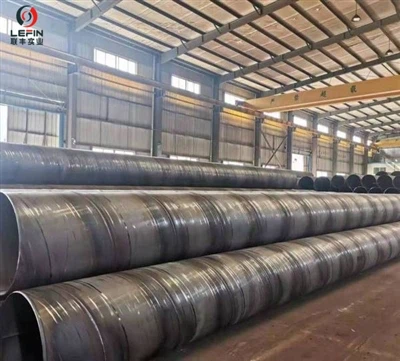
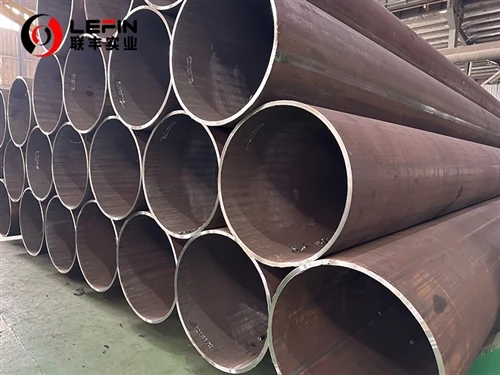
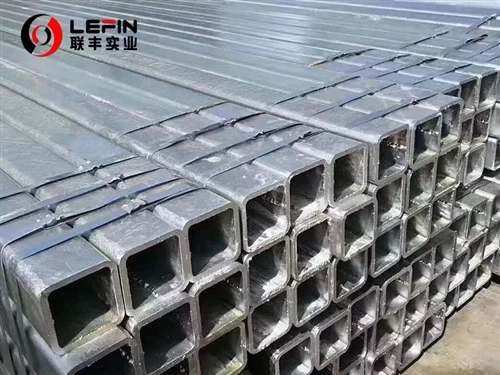
Hollow sections are made up of two or more flat pieces joined together to create a hollow shape. Hollow Sections not have the same inherent ngth as solid sections, but LEFIN STEEL can produce the Hollow Section with the following advantages:
Advantage:
1. Hollow Sections are lighter and more cost-effective, making them a popular choice for large-scale projects. They are also much more flexible than solid sections, allowing them to be curved or shaped in more complex ways.
2. Hollow Section's superior resistance to corrosion. Because the interior of the section is protected by the outer layer, they are less susceptible to rust and erosion. This makes them an ideal choice for outdoor, marine, and industrial applications.
Overall, both solid and hollow sections have their own unique advantages and can be suitable for different types of projects. If strength and durability are your top priorities, a solid section may be the best choice. On the other hand, if you're looking for a lighter, more cost-effective option with superior corrosion resistance, a hollow section may be the way to go.