What are the differences between steel pipe and steel tube
Steel pipes and steel tubes are two types of hollow metal objects that are commonly used in a variety of industries including construction, manufacturing, and transport. Both pipes and tubes are made from steel, but there are some key differences between them. LEFIN STEEL produces both steel pipes and steel tubes.
Processing process:
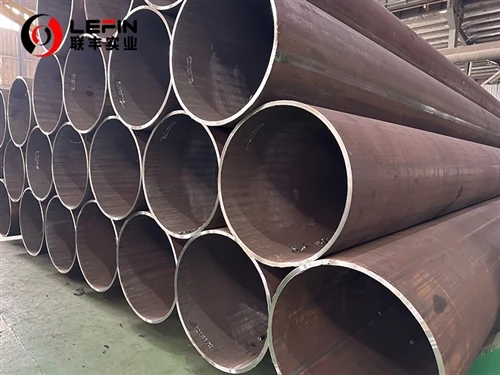
In terms of manufacturing, steel pipes are usually produced by rolling metal sheets into cylindrical shapes and welding the edges together, while steel tubes are typically produced by bending and shaping a solid steel bar or plate into the desired shape.
One of the primary differences between steel pipes and steel tubes is their manufacturing process.
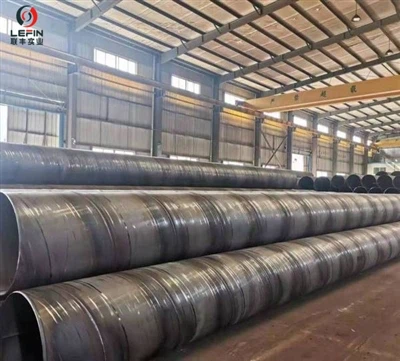
Steel pipes are created from a long, flat, steel plate that is rolled into a cylindrical shape and welded together along the seam.
Steel tubes are fabricated from long, solid bars that are pierced with a mandrel and then drawn over a mandrel to create a hollow tube.
Another difference between steel pipes and steel tubes is their size range.
Steel pipes typically have a smaller size range, ranging from 1/8" to 48" in diameter.
Steel tubes have a broader size range, starting from 1/4" in diameter to 48" or more.
Steel tubes typically undergo more processing steps than steel pipes since they have to be drawn over a mandrel.
As a result, steel tubes have a smoother interior finish than steel pipes, which is ideal in applications where fluids or gases must pass through them.
Wall thickness:
Steel pipes usually have a thicker wall than steel tubes, making them more suitable for high-pressure applications.
Steel tubes often have thinner walls, making them more suitable for applications that require flexibility and easy bending.

Advantages:
1. Steel pipes are generally designed for the transportation of fluids and gases, whereas steel tubes are typically used for structural purposes such as in construction or machinery. Steel pipes are made by rolling and welding steel sheets into a cylindrical shape, and their walls are thinner than those of steel tubes. This makes them more flexible and easier to transport, making them ideal for use in industries such as oil and gas, plumbing, and HVAC systems.
2. Steel tubes are manufactured using various techniques like cold-rolled or hot-rolled methods. They have a thicker wall with precise dimensions, which offers greater structural strength and durability. This makes them ideal for applications that require high levels of strength, such as in building structures, bridges, and machinery.
3. Another significant advantage of steel tubes is that they are more resistant to corrosion than steel pipes. The thicker wall of steel tubes provides better protection against corrosion, making them more suitable for use in harsh environments where corrosion is a concern. In contrast, steel pipes are more prone to rusting and corrosion, especially when they come into contact with water or chemicals.
Contact: Nina 008618892236531(whatsapp) or nina@lefinsteel.com(Email)

Application:
The one used for pipe fluids is PIPE. TUBE is used for heat dissipation.
1. Steel pipes are generally used for transporting materials such as water, gas, and oil, making them an important component in plumbing and gas piping systems. They are also used in manufacturing structural components such as scaffolding, handrails, and balustrades. Steel pipes can be installed both above and below ground for various purposes, such as carrying electricity and data cables. Steel tubes, on the other hand, are used primarily for structural purposes, such as in the construction of buildings, bridges, and other structures.
2. Steel tubes, on the other hand, are used for more specialized applications. They are often used in the automotive and aerospace industries for manufacturing parts and components such as drive shafts, roll cages, and suspension systems. Steel tubes are also used in the manufacturing of heavy machinery and high-pressure vessels due to their strength and durability.
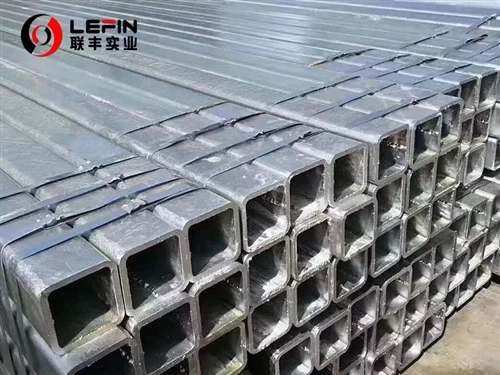
3. Another difference between steel pipes and steel tubes is their shape. Steel pipes are generally round, while steel tubes can come in a variety of shapes such as square, rectangular, and oval. This difference in shape allows steel tubes to be used in more specific applications where round pipes cannot be used. The round one may be PIPE, but if it is not round, it must be TUBE.
4. TUBE is a cold-drawn precision seamless steel pipe (GB3639), used for ferrule-type, flare-type, and pier-type pipe fitting connections. Pipe is an ordinary steel pipe (can be seamed or seamless) used for welded pipe fitting connections.

Overall, while both steel pipes and steel tubes have their own unique characteristics and uses, they share the common benefit of being durable, strong, and reliable materials that are essential to many industries.