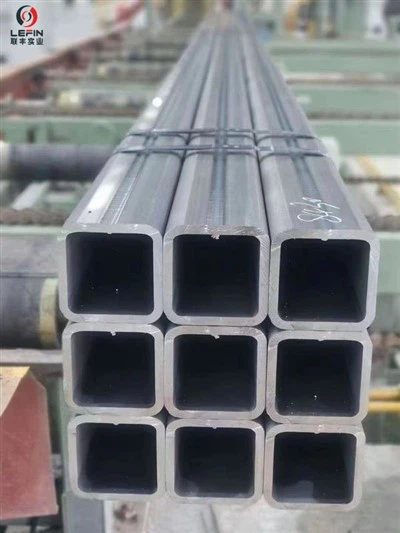
What are the difference between Carbon steel and Mild steel
Carbon steel and mild steel are two types of steel that are widely used in various applications. Although they share some similarities, there are also some significant differences between them. This article explores the key differences between carbon steel and mild steel in a positive manner.
LEFIN STEEL can both produces the Carbon steel and Mild steel.
Chemical content:
1. Carbon steel: is a type of steel that is made up of primarily iron and carbon. It typically contains between 0.6% to 1.5% carbon, which gives it its strength and durability. Carbon steel is also known for its hardness, toughness, and ability to withstand high temperatures.
2. Mild steel is a type of carbon steel that contains a lower amount of carbon than regular carbon steel. Typically, mild steel contains around 0.05% to 0.25% carbon. This makes it more ductile, malleable, and easier to work with. Mild steel is also strong and durable, making it a popular choice for various applications in construction, automobile manufacturing, and more.
Processing process:
Carbon steel:
1. The first step in the processing process of carbon steel is the selection of raw materials. High-quality raw materials are essential for achieving the desired product properties and characteristics. Carbon steel is typically made from a mixture of iron and carbon, with small amounts of other elements such as manganese, sulfur, and phosphorus.
2. The next step is melting and casting the raw materials into appropriate shapes. In this process, the raw materials are heated to a high temperature and poured into a mold to create the desired shape and size. The casting process is followed by heat treatment to refine the grain structure and improve the mechanical properties of the steel.
3. After the heat treatment, the carbon steel is further processed through various techniques such as forging, rolling, and machining. Forging involves shaping the carbon steel by applying pressure and heat to the material. Rolling, on the other hand, involves passing the steel through rollers to flatten and shape it. Machining is the process of cutting and shaping the carbon steel into precise shapes and sizes using specialized tools and equipment.
4. Finally, the carbon steel undergoes surface treatment processes such as painting, coating, and galvanizing to protect it from corrosion and improve its aesthetic appeal. These processes involve applying a layer of protective material to the surface of the carbon steel to enhance its durability and longevity.
Mild steel:
1. Raw Material Selection: The first step in the processing process of mild steel is raw material selection. Mild steel is made from iron, carbon, and other elements like manganese, silicon, and sulfur. The quality of the steel depends on the quality of raw material selection.
2. Melting: The next step is melting. The raw materials are melted in a furnace at a high temperature to form a molten steel.
3. Casting: Once the steel is melted, it is cast into various shapes and sizes using different casting techniques like ingot casting, continuous casting, and sand casting.
4. Rolling: After casting, the steel is rolled into the desired thickness using rolling mills. This process helps to increase the strength and durability of the steel.
5. Annealing: Mild steel is annealed to remove the stress caused during rolling and make it ductile and malleable. Annealing is done by heating the metal at a specific temperature and then cooling it slowly.
6. Cutting: Once the steel is annealed, it is cut into various shapes and sizes using different cutting techniques like shear cutting, flame cutting, and plasma cutting.
7. Finishing: The final step in the processing process of mild steel is finishing. The steel is finished by sandblasting, painting, or galvanizing to protect it from corrosion and give it a smooth and polished appearance.
Advantages:
Carbon steel:
1. Strength and Durability: Carbon steel is known for its high strength and durability. It can withstand heavy loads and is resistant to wear and tear. This makes it ideal for a variety of applications, including construction, manufacturing, and transportation.
2. Cost-effective: Carbon steel is a relatively inexpensive material. This makes it a popular choice for many industries that require durable and reliable products at an affordable cost.
3. Corrosion resistance: Carbon steel has good resistance to corrosion, especially when it is properly treated and coated. It can resist the effects of water, chemicals, and other corrosive substances, which makes it suitable for use in harsh environments such as marine and industrial applications.
4. Flexibility: Carbon steel can be easily formed into different shapes and sizes, making it highly adaptable to various manufacturing processes. It can be molded, stamped, cut, and welded into different shapes without losing its strength or durability.
5. Recyclable: Carbon steel can be recycled, which makes it an environmentally friendly material. It can be melted down and reused in other products, reducing waste and saving resources.
Mild steel:
1. Strength and durability: Mild steel is extremely strong and durable, making it ideal for use in industrial and construction settings where it may be subjected to heavy loads or harsh conditions.
2. Easy to work with: Mild steel is easy to fabricate and weld, which makes it a popular choice for manufacturers and engineers. It can be cut, shaped, and formed into a variety of shapes and sizes to suit specific applications.
3. Cost-effective: Mild steel is relatively inexpensive compared to other materials, which makes it a cost-effective choice for a range of applications.
4. Resistant to corrosion: Mild steel contains a small amount of carbon, which makes it resistant to corrosion and rusting. This makes it ideal for use in outdoor or marine environments where it may be exposed to moisture and saltwater.
5. Eco-friendly: Mild steel is recyclable, which makes it an environmentally friendly choice. It can be melted down and reused many times without losing its strength or durability.
Application:
Carbon steel:
Carbon steel is a versatile material that has many applications in various industries. It is a popular choice because of its affordability, strength, and durability. Carbon steel is made up of iron, carbon, and other elements, depending on the grade of steel.
1. One of the most common applications of carbon steel is in construction. It is used to make beams, pipes, and plates, among other things. Carbon steel is also used in the manufacturing of automobiles, ships, and aircraft. Its strength and durability make it an ideal material for heavy machinery and equipment, as well.
2. Another application of carbon steel is in the production of tools and utensils. Knives, saws, and other cutting tools are often made from carbon steel because of its ability to hold a sharp edge. Kitchen utensils, such as pots, pans, and baking sheets, are also made from carbon steel for their scratch-resistant and non-stick properties.
3. Carbon steel is also utilized in the oil and gas industry to make pipes and fittings. Its high strength and resistance to corrosion make it an ideal material for this application. Carbon steel is also used in the manufacturing of wire ropes, which are commonly used in construction and transportation.
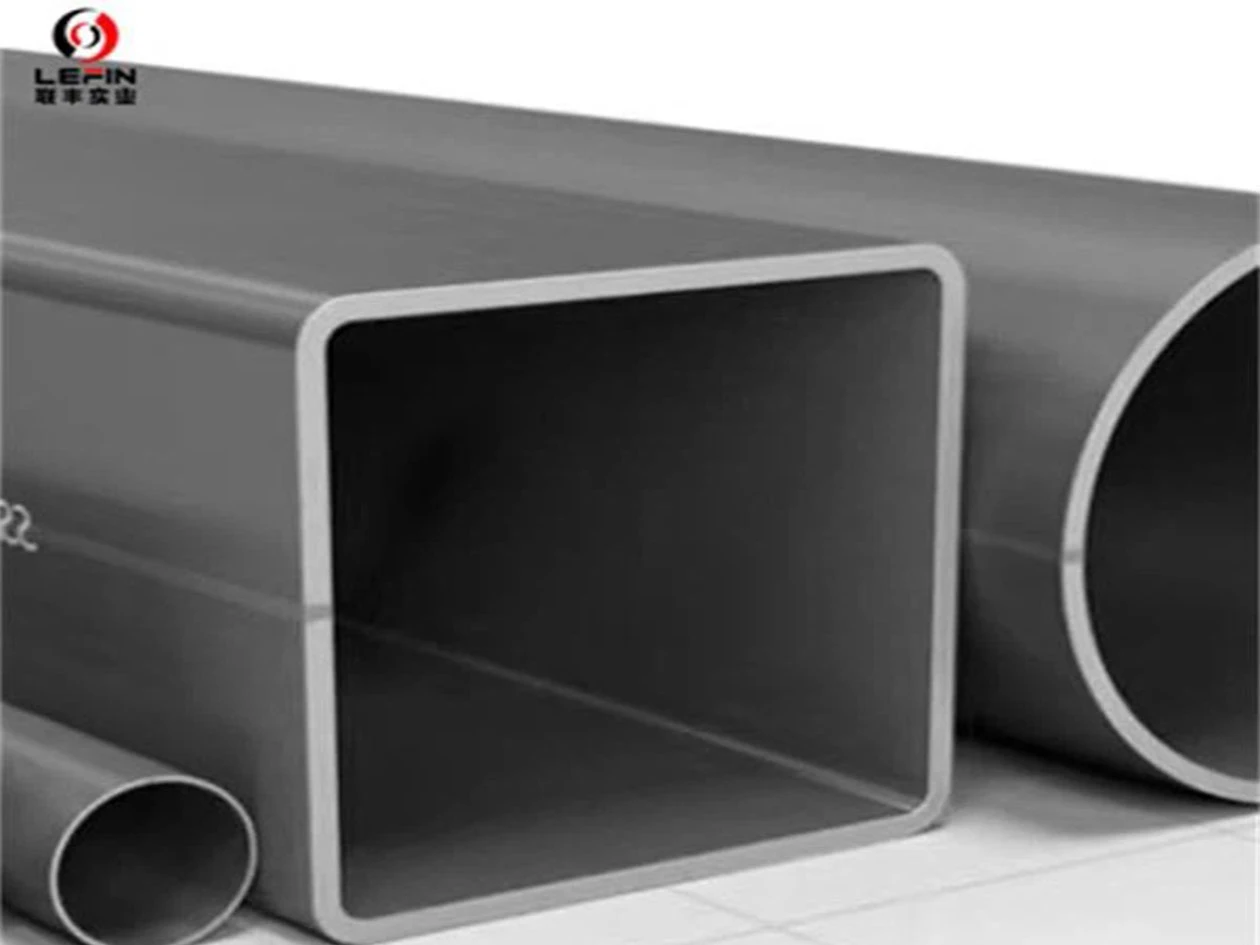
Mild steel:
Mild steel, also known as low carbon steel, is a popular choice of material in various industries due to its low cost, high tensile strength, and versatility. This type of steel has a wide range of applications and is used in everything from construction to manufacturing.
1. One of the major applications of mild steel is in the construction industry. It is often used in the form of structural steel for building frames, bridges, and other heavy-duty structures. Due to its strength, durability, and low cost, it is an ideal material for large-scale projects.
2. Mild steel is also used in the manufacturing of various automobile components. It is commonly used to make car frames, exhaust systems, and other structural parts. Its high tensile strength, ease of fabrication, and low cost make it an excellent choice for the automobile industry.
3. Another application of mild steel is in creating household items. Mild steel is often used in the manufacturing of kitchen appliances such as pots and pans, as well as cutlery and utensils. Its affordability and flexibility make it an excellent option for the mass production of these items.

Which one is better:
When it comes to choosing between mild steel and carbon steel, both have their unique advantages and applications. However, mild steel is generally considered to be the better option due to its versatility and cost-effectiveness.
Mild steel, also known as low carbon steel, contains less than 0.3% carbon making it highly ductile and easy to work with. It is commonly used in construction, automotive, and manufacturing industries due to its strength and durability. Mild steel is also easily welded, making it a convenient option for many applications. Additionally, it is readily available and cost-efficient, making it a popular choice for many budget-conscious projects.
Carbon steel, on the other hand, contains a higher amount of carbon, ranging from 0.6% to 1.5%, making it much stronger and tougher than mild steel. It is often used in high-stress applications such as construction of bridges, pipelines, and heavy-duty machinery. Carbon steel is also known for its hardness and wear resistance, making it ideal for drilling and cutting tools.
How to recognize the Carbon steel and Mild steel:
1. One of the easiest ways to spot mild steel and carbon steel is by observing their appearance. Mild steel is a type of carbon steel with low carbon content, containing around 0.05% to 0.25% carbon. It appears as a silver-grayish metal with a dull, matte finish and is relatively soft compared to other types of steel. In contrast, carbon steel has a higher carbon content ranging between 0.30% to 2.0%. It has a darker surface with a shiny finish, and its texture is much harder and more durable than mild steel.
2. Another way to recognize mild steel and carbon steel is through their weldability. Mild steel is highly weldable due to its low carbon content, while carbon steel is relatively harder and more challenging to weld.
3. Furthermore, the price can be an indicator of the steel type. Generally, mild steel is cheaper than carbon steel since it has a lower carbon content, which makes it easier and less expensive to manufacture. Carbon steel, on the other hand, is more expensive due to its properties and production process.

In conclusion, both mild steel and carbon steel have their strengths and unique applications. However, for most projects, mild steel is the more versatile and cost-efficient choice due to its ease of use, durability, and low cost. Regardless of which steel you choose, it is important to use high-quality materials to ensure a successful and long-lasting project.