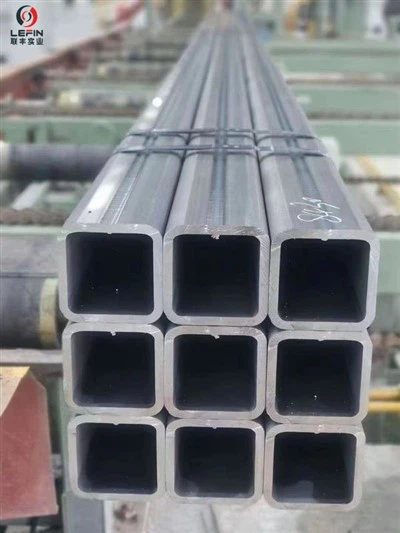
How to distinguish CLASS A, CLASS B, CLASS C
The standard of CLASS A, CLASS B and CLASS C grades is BS1387, which is the material of GI pipe.
Galvanized iron (GI) pipes are commonly used for a variety of piping applications, including water, gas, and sewage transport. These pipes are classified into three types: Class A, Class B, and Class C. Each class has its own set of properties that make it suitable for specific applications.
To determine whether a GI (Galvanized Iron) pipe is classified as Class A, Class B, or Class C, there are a few key factors to consider:
1. Check the diameter: The diameter of the pipe is often an indicator of the class type:
Class A: Class A GI pipes are the thickest and heaviest in diameter. The thickness of the walls of Class A pipes ranges from 3.2mm to 6.35mm, making them highly durable and able to withstand extreme temperatures and pressure.
Class B: Class B GI pipes have slightly thinner walls than Class A. The walls of Class B pipes range from 2.65mm to 4.85mm, making them less heavy and more affordable than Class A.
Class C: Class C GI pipes are the thinnest and lightest in diameter, with wall thickness ranging from 1.8mm to 2.0mm.
2. Ensure the application:
Class A: They are designed for heavy-duty applications such as industrial and commercial pipelines that require high pressure and large volumes of fluid flow.
Class B: They are suitable for high-pressure applications. They are ideal for lower volume fluid flow applications, such as residential and light commercial plumbing systems.
Class C: Class C GI pipes are ideal for low-pressure applications such as irrigation, as they can handle only small volumes of fluids. They are also used for light residential plumbing systems.
Advantages:
Differences:
Class A: The strength of Class A allows them to withstand high pressure, and their durability, which ensures a long service life.
Class B: Affordability and versatility, making them a popular choice for a wide range of applications.
Class C: Lightweight design, ease of installation, and low cost.
Similarities:
1. All three classes of GI pipes have excellent corrosion resistance, which makes them suitable for outdoor use.
2. All three classes are also easy to install due to their lightweight nature and can be easily welded or soldered for making connections.
3. All three classes are cost-effective and require minimal maintenance.
Class A: The strength of Class A allows them to withstand high pressure, and their durability, which ensures a long service life.
Class B: Affordability and versatility, making them a popular choice for a wide range of applications.
Class C: Lightweight design, ease of installation, and low cost.


In conclusion, GI pipes come in different classes to suit a variety of piping applications. Class A is suitable for heavy-duty applications, while Class B and Class C are ideal for medium and low-pressure applications, respectively. All three classes of GI pipes have excellent corrosion resistance and are easy to install and maintain, making them a popular choice for piping systems.